URGENT: Public Safety Hazards & Infrastructure Failure - Marler Park Stormwater Facilities
Letter from resident Jason Jansen reporting safety hazards and lack of maintenance at stormwater ponds in Marler Park.
20 January 2026
Dear: Mayor, Council, Chief Administrative Officer, Director of Engineering - Town of View Royal, and Leadership of Capital Region District (CRD) Parks:
URGENT: Public Safety Hazards & Infrastructure Failure
Marler Park Stormwater Facilities
I am writing to formally raise concerns regarding the long-term neglect of the stormwater ponds at Marler Park and the northern pond within CRD that are affecting my property. Both stormwater ponds fall under the jurisdiction of the Town of View Royal to maintain. I initially attempted to contact the District of Saanich, hoping they could facilitate a response from View Royal staff, but they received uninformed information regarding the stormwater ponds and a denial of maintenance responsibility for the northern pond. These facilities appear to have received little to no meaningful maintenance for decades, a situation that directly contradicts View Royal’s own Official Community Plan (OCP), stated environmental values, and infrastructure stewardship obligations.
Specific Concerns with the Two Stormwater Ponds
These ponds have shown signs of chronic neglect, including (but not limited to):
- Sediment buildup and clogging of outlets;
- Overgrowth of unmanaged vegetation;
- Blocked or degraded spillways and outlet structures;
- Lack of qualified regular inspection
These conditions reduce the functional capacity of the ponds, thereby increasing flood risk and diminishing water quality protection for Craigflower Creek and downstream ecosystems. The resultant environmental degradation and community risk are inconsistent with best practices in stormwater management and relevant provincial legal requirements.
Immediate Public Safety & Drowning Risk
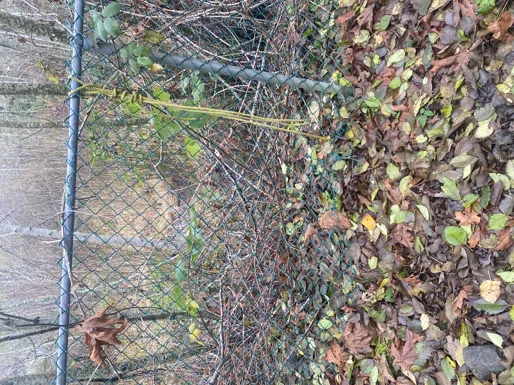
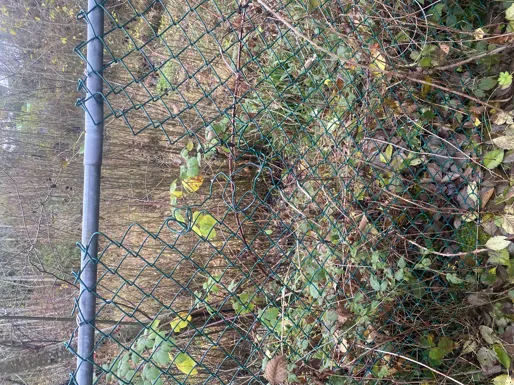
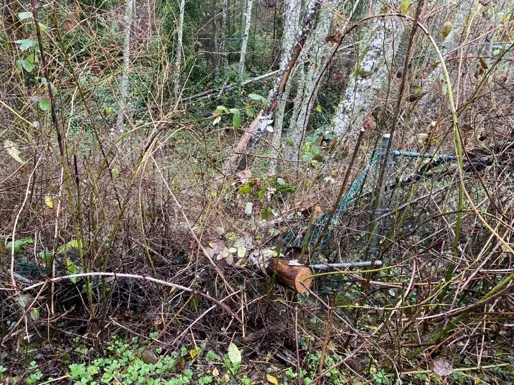
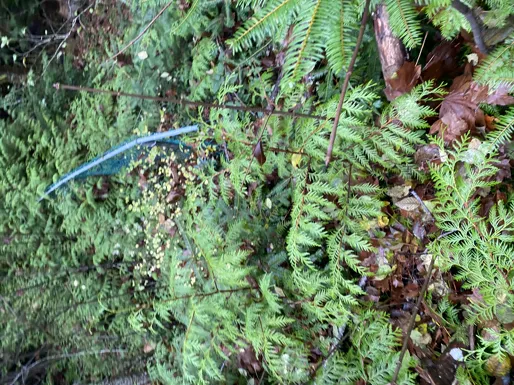
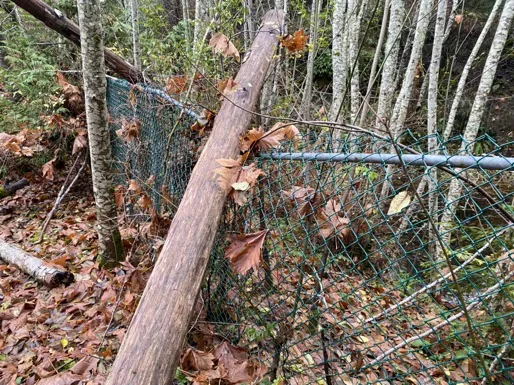
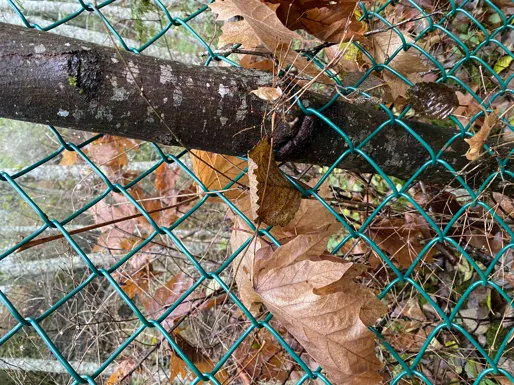
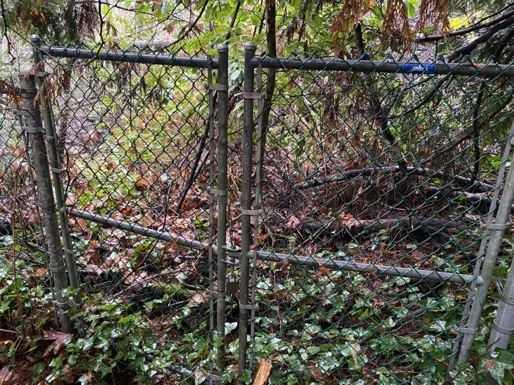
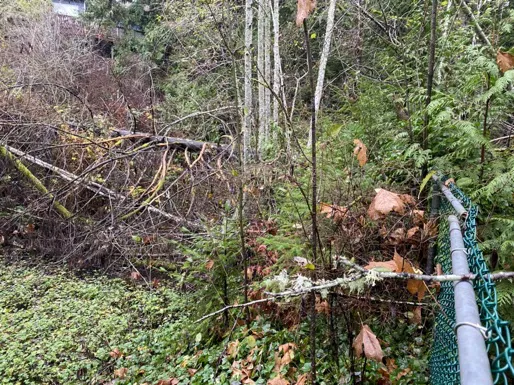
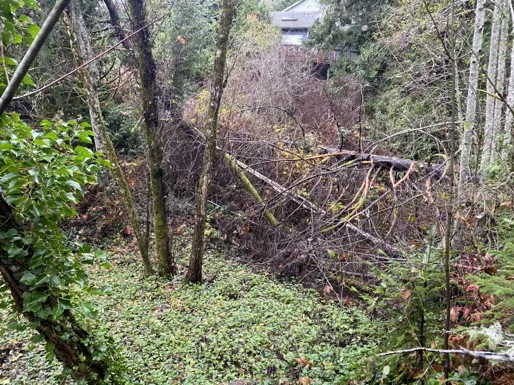
The most alarming consequence of this neglect is the state of the perimeter safety fencing (see attached photos 1-6 in Appendix). The fencing has been severely breached in multiple areas by falling trees and mature growth.
- Proximity to Children: These ponds are located immediately adjacent to a popular kids’ playground and well-used walking trail.
- High Risk of Drowning: The breaches provide unintended access to deep, sediment-heavy water for children and pets.
- Liability: A safety fence compromised by decades of neglect no longer serves its primary function as a life-safety barrier, representing a significant and avoidable liability for the Town.
Failure of Engineering Function: Zero Detention
Stormwater management ponds are engineered to control runoff, reduce flooding, protect downstream water quality, and mitigate environmental impacts by slowing and filtering water before it enters natural waterways. When these ponds are not maintained — including removal of accumulated sediment, debris, and invasive vegetation — they can fail to function as designed. This can lead to flooding, erosion, compromised water quality, and increased costs for future remediation. Neglected stormwater features also pose safety hazards and can increase liability risk when infrastructure fails.
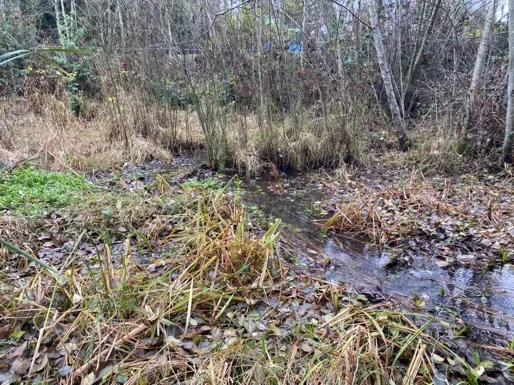
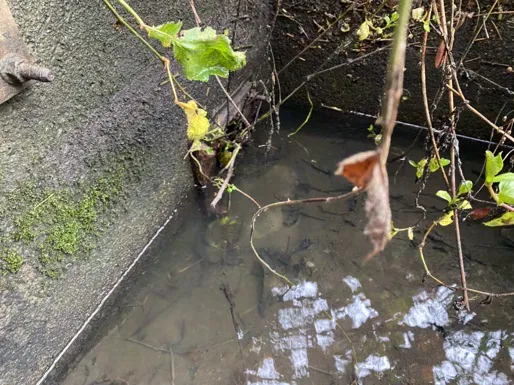
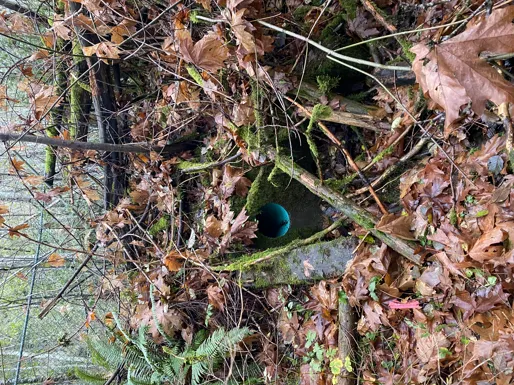
The attached photos show water flowing from inlet to outlet with zero detention. Due to decades of sediment accumulation, the pond's "live storage" volume has been eliminated, leading to downstream erosion and unmitigated pollution discharged directly into Craigflower Creek (photo 8).
Conflict with View Royal’s Official Community Plan (OCP)
View Royal’s OCP clearly establishes environmental protection, responsible water management, and long-term infrastructure sustainability as core community values. The OCP emphasizes the protection of natural water systems, responsible management to prevent flooding, and the stewardship of municipal assets to ensure public safety. Neglecting engineered stormwater assets for decades is inconsistent with these stated goals and cannot be reconciled with the Town’s commitment to sustainable management (photos 14-16).
Legal and Regulatory Context in British Columbia
Under the Water Sustainability Act (WSA) and common law "Duty of Care”, View Royal is responsible for managing diverted water without causing harm to public safety or the environment. The Local Government Act further mandates that municipalities manage drainage infrastructure to prevent nuisance or hazard conditions. Allowing safety fences to remain breached and filtration systems to be forgotten exposes the Town to significant legal risk.
Evidence of Operational Abandonment
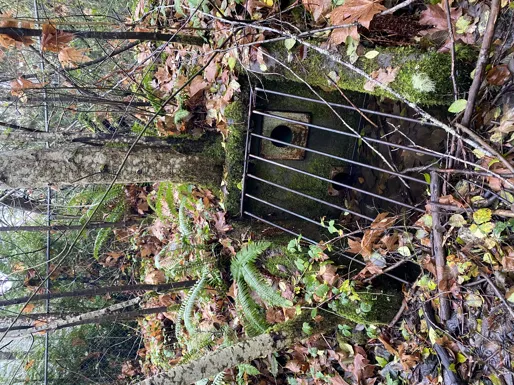
- Inaccessible Maintenance Gate: The gate is completely overgrown, proving no heavy equipment has entered for required sediment removal in years. (photo 9)
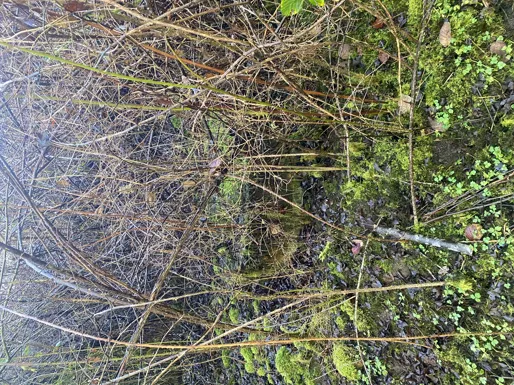
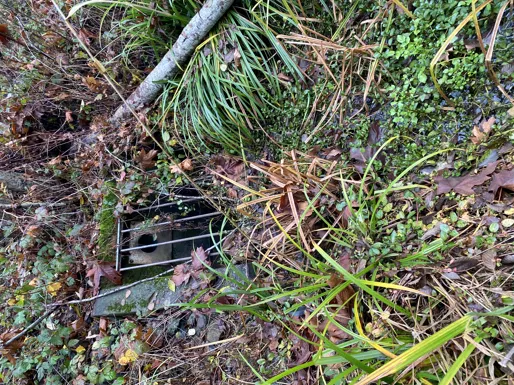
- Lost Infrastructure: The manhole cover for the dirt/grit separator is buried under decades of brush. This critical component requires regular servicing; its current state demonstrates it has not been inspected in many years. (photo 7)
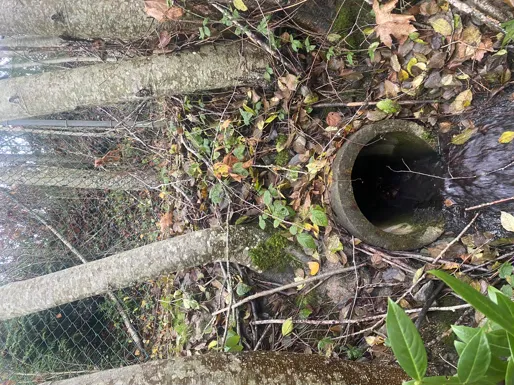
- Structural Failures: Mature trees are growing directly into concrete headwalls, and trash racks are heavily obstructed. (photo 10, 11, 13, 14)
Request for Immediate Action
- Emergency Fence Repair: Immediate inspection and repair of all fencing breaches near the playground.
- Infrastructure Audit: A formal inspection of the dirt/grit separators and ponds detention capacity.
- Remiation Timeline: A clear, public timeline for clearing the maintenance gate, dredging the ponds to remove accumulated sediment, and restoring functional detention.
- Records Disclosure: Access to maintenance records for these facilities from the last 10 years. If there are records and payments to suggest that inspections or actual work have been performed recently here, you may need to consider a greater audit on how taxpayers funds are being spent.
I have included several photos in the attached Appendix. While I hope these are helpful, I trust you will understand that photos do not do justice to demonstrate the failure of maintenance. I would be willing to meet with you and do a walk about in the area to help further explain the problems and the direct impact on the environment. I look forward to a prompt response regarding the safety and remediation of these critical municipal assets.
Sincerely,
Jason Jansen
APPENDIX A: PHOTOGRAPHIC DEFICIENCY KEY
| Photo Reference | Component | Primary Deficiency Observed | Risk & Liability Category |
|---|---|---|---|
| Photos 1-6 | Safety Fencing | Fencing flattened/ breached by trees; located near playground. | High Risk of Drowning: Unsecured access to deep water; major liability. |
| Photo 7 | Grit Separator | Manhole cover buried under decades of brush. | Operational Failure: Critical filtration has not been inspected or serviced in decades. |
| Photo 8 | Pond Basin | Water flowing from inlet to outlet with zero detention. | Flood/Environment: Loss of storage capacity; cannot filter pollutants. |
| Photo 9 | Maintenance Gate | Gate completely obstructed and inaccessible to vehicles. | Proof of Neglect: No heavy maintenance (dredging) has occurred in years. |
| Photos 10, 11, 13, 14 | Inlet and Outlet Racks | Heavy debris and leaf litter blocking primary grates. | Flood Risk: Probability of "overtopping" onto public walking trails. |
| Photos 10, 13 | Concrete Headwalls | Mature trees growing directly into concrete structures. | Structural Damage: Root penetration will cause total concrete failure. |
| Photo 12 | Forebay / Sump | Saturated with sediment; high turbidity and sludge. | Functional Loss: Contaminants discharged directly downstream. |
| Photos 15, 16 | Northern Pond | Total Abandonment: Overgrown and unmanaged infrastructure. | Operational Failure: Critical filtration has not been inspected or serviced in decades. |
APPENDIX B: REFERENCE PHOTOGRAPHS