Greater Victoria Hotel Development Final Report
A comprehensive study by Cascadia Partners and Destination Greater Victoria analyzing the hotel supply gap in the region and providing 6 key recommendations for development.
Greater Victoria Hotel Development
Final Report of the Greater Victoria Hotel Development Working Group
Prepared By: Destination Greater Victoria and Cascadia Partners
Acknowledgements
Destination Greater Victoria would like to thank the Hotel Development Working Group members for sharing their knowledge and expertise on hotel development. This report represents a collaborative effort of the Hotel Development Working Group members to establish paths forward for addressing the hotel supply gap in Greater Victoria. Member organizations will be responsible for the adoption of relevant recommendations on their own terms.
Victoria Hotel Development Working Group
- Paul Nursey, Destination Greater Victoria
- Paul Hawes, BC Hotel Association
- Jocelyn Jenkyns, City of Victoria
- Karen Hoese, City of Victoria
- Alec Johnson, City of Victoria
- Peter Rantucci, City of Victoria
- Arthur Kostaras, Songhees Development Corporation
- Misty Olsen, City of Colwood
- Jason Johnson, City of Colwood
- Mairi Bosomworth, City of Colwood
- Mitchell Edgar, District of Saanich
- Scott Sommerville, Town of View Royal
- Leanne Taylor, Town of View Royal
- Jon Stovell, Reliance Properties
- Chris Quigley, Aryze Developments
- Luke Mari, Aryze Developments
- Dawn Rueckl, Ministry of Tourism, Arts, Culture and Sport
- Lisa Coughlan, Ministry of Tourism, Arts, Culture and Sport
- Kate Carter, CIBC Commercial Banking
- Chris Marshall, District of Sooke
- Terése Finegan, Township of Esquimalt
- Madone Pelan, Pelan Hospitality
Project Management & Technical Support
- Jeremy Loveday, Destination Greater Victoria
- Kyla Chiarot, Destination Greater Victoria
- Pietra Basilij, Cascadia Partners
- Andrew Camsell, Cascadia Partners
Territorial Acknowledgement
Destination Greater Victoria recognizes, with respect, that its office is located on the Territory of the Lək̓ʷəŋən People, now known as the Songhees Nation and Xwsepsum Nation. Destination Greater Victoria, as the official destination marketing organization for Greater Victoria, also respectfully recognizes that it operates on the Territory of the W̱SÁNEĆ Nations (W̱JOȽEȽP (Tsartlip), BOḰEĆEN (Pauquachin), SȾÁUTW̱ (Tsawout), W̱SIKEM (Tseycum) and MÁLEXEȽ (Malahat)), and the Sc’ianew (Beecher Bay), T’Sou-ke, and Pacheedaht Nations.
Executive Summary
Context
Greater Victoria is experiencing growing demand for hotel accommodation driven by tourism, business travel, and population growth. However, new hotel development has been limited over the past two decades and Victoria has seen a decline in hotel room supply in that time. The result has been a widening gap between hotel supply and demand.
Market conditions have created a unique opportunity for Greater Victoria to close this gap between hotel supply and demand over the coming decade. Specifically, the development of alternative asset classes, such as residential strata and office, have become less favourable in the current real estate market, providing an economic opportunity for hotel development. Market cycles favouring hotel development are infrequent and should be capitalized on with urgency to address the hotel room shortage.
Vision for Hotel Development
Greater Victoria is anticipated to require 2,000 net new hotel rooms over the next decade in addition to retaining or replacing existing hotel room stock. The Greater Victoria Hotel Development Working Group has identified opportunities for delivering various types of hotels across the region, including:
- Limited-service, mid-density hotels such as mid-scale suites-style hotels.
- Full-service, high-density hotels, including upscale, amenity-rich hotels downtown.
- Small, boutique hotels in unique buildings and areas of the region.
- A significant conference and event hotel that can accommodate large block bookings and significant on-site meeting and event space.
Why Hotel?
Hotel supply is critical to supporting the region’s visitor economy, including tourism, conferences, and events, while generating employment and tax revenue. In addition to the economic benefits they bring to a community, hotels play several roles in community development, including delivering community gathering spaces, sponsoring community teams and events, providing philanthropic support to local charities and non-profits, activating streets, and participating in emergency response.
Delivering an additional 2,000 hotel rooms in Greater Victoria would result in:
- More than 2,750 direct and indirect local jobs
- More than $100 million in annual visitor spending
- Almost $50 million in annual tax revenues accruing to various levels of government
Addressing The Supply Gap
Hotel development can be complex. Hotels come with unique design standards, operating requirements, and financial risk profiles. To help de-risk and accelerate hotel development across Greater Victoria, the Hotel Development Working Group has identified 6 recommendations:
- Apply targeted zoning and land use policies to unlock hotel development sites.
- Address permitting process complexities early to reduce permitting time.
- Deliver hotel development education and technical support to municipal staff.
- Pursue First Nations hotel partnerships.
- Support regional hotel investment attraction.
- Establish supportive policy and financial tools for hotel conversion and revitalization.
Contents
PART 1: Hotel Development Context ............................................. 05 The Hotel Supply Gap ........................................................................ 06 Vision for Victoria Hotel Development .................................................. 09 Victoria’s Hotel Development Pipeline ................................................... 13 Financial Feasibility Analysis and Insights ............................................... 14
PART 2: Hotel Impacts .................................................................. 16 Economic Impact Analysis ................................................................... 17 Community Benefits Assessment ......................................................... 19
PART 3: Recommendations for Addressing the Hotel Supply Gap ..... 22 Addressing the Hotel Supply Gap .......................................................... 23
- Policy and Planning ........................................................................ 24
- Permitting Processes ...................................................................... 26
- Training and Education ................................................................... 28
- First Nations Partnerships ............................................................... 29
- Investment Attraction ..................................................................... 31
- Hotel Retention ............................................................................ 32 Implementation Pathways ................................................................... 34
PART 1: Hotel Development Context, Greater Victoria
The Hotel Supply Gap
Hotel Inventory
Greater Victoria’s hotel inventory has declined significantly over the past decade, falling by 25% since 2016. This is largely due to the removal or conversion of existing, older hotel stock that has not been replaced at the same pace by new hotel development. Specifically, there was a loss of hotel rooms during the Pandemic (2020/2021) when the hotel market was struggling. During this period, the Province acquired several hotels to provide supportive housing. Examples in Victoria include Comfort Inn (3020 Blanshard St), Paul’s Motor Inn (1900 Douglas St), and the Capital City Centre Hotel (1961 Douglas St). In addition, there has been a loss of hotels based on acquisition by private developers. The Q-Hotel and Harbour Towers are examples of sites that were purchased for redevelopment or conversion to residential uses.
A substantial portion of the existing hotel stock is aging. More than half of current inventory was built prior to 1975 and will require significant renovation or replacement in the coming decade. As a result, Greater Victoria could expect to continue to see hotel room loss if replacement or reinvestment does not keep pace.
Hotel Demand
Hotel demand in Greater Victoria is strong, as is reflected in recent hotel performance numbers. Victoria saw some of the most significant Average Daily Room Rate (ADR) growth across Canada in 2025—with the average daily room rate jumping from $200 in 2024 to $224 in 2025. In addition, Victoria Conference Centre delegate days increased by 20% and Victoria Airport arrivals increased by 5%.
Demand for hotel accommodation in Greater Victoria is anticipated to continue to grow, supported by:
- Strong Destination Development | Condé Nast Readers have voted Victoria the Best Small City in the World three years in a row. This is reflected in increasing passenger volumes through Victoria International Airport and the regional ferry services.
- Conference Growth | Victoria held a record number of city-wide conferences in 2025 and is actively planning the expansion of conference facilities to facilitate growth in business events and conventions.
- Expanded Tourism Infrastructure | Residents have expressed strong support for tourism, with more than 98% of residents stating that tourism is important for Victoria’s economy. Victoria is actively exploring opportunities for cruise homeporting activity, whereby passengers start or end their trip in Victoria to continue to support the visitor economy.
- Economic Development | Major investment in the Canadian Forces Base in Esquimalt, with facilities located in Colwood, is one example of economic development that is anticipated to draw visiting contractors, military personnel, and specialists. Restrictions on short-term rentals by the Province of British Columbia in several Greater Victoria municipalities is shifting demand for accommodation back to traditional hotel stays.
Collectively, these trends are anticipated to result in demand for tens of thousands of additional hotel room nights annually.
Hotel Room Supply Gap
As hotel demand has grown and supply has diminished, Destination Greater Victoria, through an independent analysis conducted by Floor 13, has identified a hotel supply gap of at least 2,000 rooms over the next decade. This would bring Victoria’s hotel supply back to about 6,500 rooms—the level at which it held steady prior to room losses seen between 2017 and 2022. It is estimated that an additional 800 full service hotel rooms could be accommodated in the Victoria market immediately.
The pacing of delivery of new hotel stock will be critical to ensuring new hotel supply does not cannibalize demand for existing hotel rooms. That said, the age of Victoria’s hotel supply (with more than 50% of hotel rooms in buildings that are more than 50 years old) would suggest that significant hotel room replacement or reinvestment will also be needed to maintain hotel room supply.
Market Opportunity
Recent shifts in the real estate market have made hotel development more attractive in recent years. Specifically, residential and office development has slowed, reducing land costs and competition from other development types. This presents a clear and time-sensitive opportunity to advance hotel development in Greater Victoria. In addition, a growing gap between hotel supply and demand has spurred renewed interest from lenders and developers in hotel projects.
Victoria Visitor Profile
Meeting the hotel supply gap will require not only delivering additional hotel rooms, but ensuring the types of hotels delivered match the profile of Victoria visitors and are delivered in locations that align with visitor demand.
Greater Victoria attracts a diverse mix of visitors, with approximately half originating from the United States and international markets, underscoring the region’s strong global appeal. Domestic visitors from across Canada make up the other half of visitors and continue to provide a stable visitor base.
Leisure travel is the dominant driver of visitation, accounting for 75% of visits to Greater Victoria. Visiting friends and family represents a secondary segment, while business travel, conferences, and events contribute a smaller but important share of demand, particularly for attracting visitors in the off-peak season.
Hotels and motels remain the primary accommodation choice for most Greater Victoria visitors. Additionally, Greater Victoria has seen a decrease in the availability and use of short term rentals. This continued reliance on traditional hotel accommodation reinforces the importance of expanding hotel supply to support both tourism growth and broader economic activity.
Vision for Victoria Hotel Development
Regional Hotel Opportunities
Municipal representatives have identified several unique regional opportunities for hotel development. Examples include:
- Hotels that serve major economic and population-serving nodes, such as the hospital and the naval base or Victoria’s established and emerging Village and Town Centers that are well-connected by transit to the urban core and other regional amenities
- Affordable, mid-scale hotels that serve regional visitors, such as those in town for sports tournaments and cultural events
- Boutique hotel offerings that connect tourists to the biking network, hiking trails, and waterfront vistas of the region, including seaside style resorts
- Full-service hotels downtown to serve the growing tourist population and suite of business and cultural events hosted in Victoria’s inner harbour
- Both higher density and small hotels outside of the urban core given proximity and convenient transportation connections to the urban core and other regional amenities, and the established and emerging character and amenities of these nodes
- Boutique hotels that connect to urban cultural amenities and destinations, particularly within Downtown Victoria, Old Town and the Inner Harbour
- Mixed-use hotel developments that pair hotel with residential and commercial uses in rapidly densifying areas throughout the city
Site Availability and Suitability
Hotel use is generally permitted across Greater Victoria, reflecting a policy environment that is broadly supportive of new hotel development. Within the City of Victoria alone, there are approximately 1,400 sites where hotel use is permitted. That said, the availability of viable development sites is more constrained in practice. Delivering new hotel supply depends not only on zoning, but on site size, configuration, location, and overall development feasibility.
Hotel development typically requires minimum site sizes and densities to support efficient operations and financial viability. Most new hotels in the Greater Victoria market are expected to fall within a 100–160 room range to be operationally efficient. This requires a sufficient site area and achievable density. In the City of Victoria, Approximately 80% of sites zoned for hotel (~1,100 sites) are less than 15,000 square feet, which is generally too small to support viable hotel formats. At the other end of the spectrum, larger sites are often more viable as mixed-use developments, where hotel is combined with residential or other uses to reduce hotel development risk, secure project financing, and ensure maximum buildout of the site alongside hotel development.
Conversion of underutilized office buildings or heritage buildings present a targeted but limited opportunity to add hotel supply. Greater Victoria is anticipating to see an increase in office vacancy over the coming years as the provincial government has signalled that it plans to exit some of its office leases, many of which have larger footprints.
Heritage building opportunities are attractive for hotel, offering uniquely marketable experiences in character buildings. The City of Victoria is home to about 1,300 heritage buildings, with hotel use permitted in about 300 of these locations. After accounting for size and site constraints, around 50 of these heritage properties may be suitable for conversion to hotel. Occupancy of these sites is not currently estimated.
Beyond zoning and site size, location plays a critical role in hotel viability. Sites are most suitable when they offer:
- Proximity to visitor attractions, recreation networks, waterfronts, and commercial centres,
- Access to transit and transportation networks, including airports and cruise terminals, and
- Integration with walkable, amenity-rich areas that support guest experience.
Individual site characteristics can also materially impact feasibility, including:
- Street or water frontage and site visibility,
- Access points and circulation options (for guests, servicing, and parking), and
- Ability to accommodate efficient building layouts and servicing.
Good fit is important for hotel marketability and financial feasibility. It is important to establish the right fit between hotel type (including brand and operating model) and the neighbourhood. For example, larger, more vehicle-oriented hotels requiring easy and less expensive (including surface) parking options are likely to fit in more peripheral or suburban locations, whereas pedestrian-oriented hotels with lower or more flexible parking demand are likely to be a better fit for more dense, mixed use and urban core locations.
Vision for Hotel Delivery
Meeting the projected supply gap will require approximately 2,000 new hotel rooms, representing 15 to 20 new developments across Greater Victoria over the next decade. The Greater Victoria Hotel Development Working Group identified several types of hotels that are needed to meet visitor demand and fill the hotel supply gap.
Based on preliminary analysis of the current hotel supply and the financial feasibility of various forms of hotel development, it is anticipated that most of the new hotel supply will come from four primary hotel types:
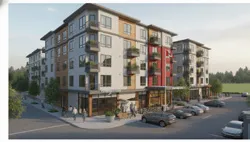
- Limited-service, mid-density hotels: These include midscale suites-style hotels with kitchenettes that are suitable for longer stays.
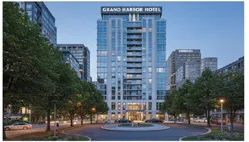
- Full-service, high-density hotels: These include upscale, amenity-rich hotels in the downtown core including meeting space.
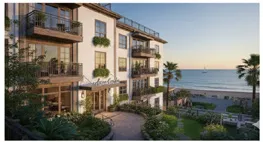
- Small, boutique hotels: These include smaller, high-service hotels in unique buildings and districts.
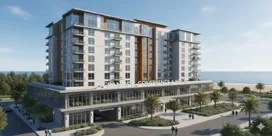
- Conference and event hotels: This includes high capacity, upscale hotels that can accommodate large block booking and have significant on-site meeting and event space.
Among these, limited-service and full-service formats represent the most deliverable and scalable options in today’s environment, offering efficient construction approaches, achievable densities, and operating models aligned with lender expectations.
Boutique hotels are likely to play a complementary role, supporting unique visitor experiences in select locations. A conference and event hotel, while more complex and challenging to deliver, represents a strategic opportunity to strengthen the Victoria visitor economy outside peak tourism season to complement meeting space in full-service hotels.
Each typology carries different feasibility considerations, with lower-density wood-frame projects generally more achievable across a wider range of sites, and higher-density or specialized formats requiring more strategic locations, scale, and financial support.
Office and heritage conversions represent an important delivery pathway within the primary hotel typologies, rather than a standalone category. These projects are most likely to deliver limited-service, boutique, or full-service hotel formats depending on building size, configuration, and location.
Based on the current hotel development permitting pipeline, preliminary financial feasibility analysis, and a review of Victoria’s current hotel inventory and visitor profile, the hotel development working group projects the following breakdown of hotel delivery over the coming decade.
Anticipated Makeup of New Hotel Supply, Based on 2,000 Room Estimate
| Hotel Type | Percent of New Rooms | Number of New Rooms | Number of New Hotels |
|---|---|---|---|
| Full-Service | 45% | 900 | 6-8 |
| Limited Service | 35% | 700 | 6-8 |
| Boutique | 10% | 200 | 2-3 |
| Conference Hotel | 10% | 200 | 1 |
| Total | 100% | 2,000 | 15-20 |
Geographic Distribution
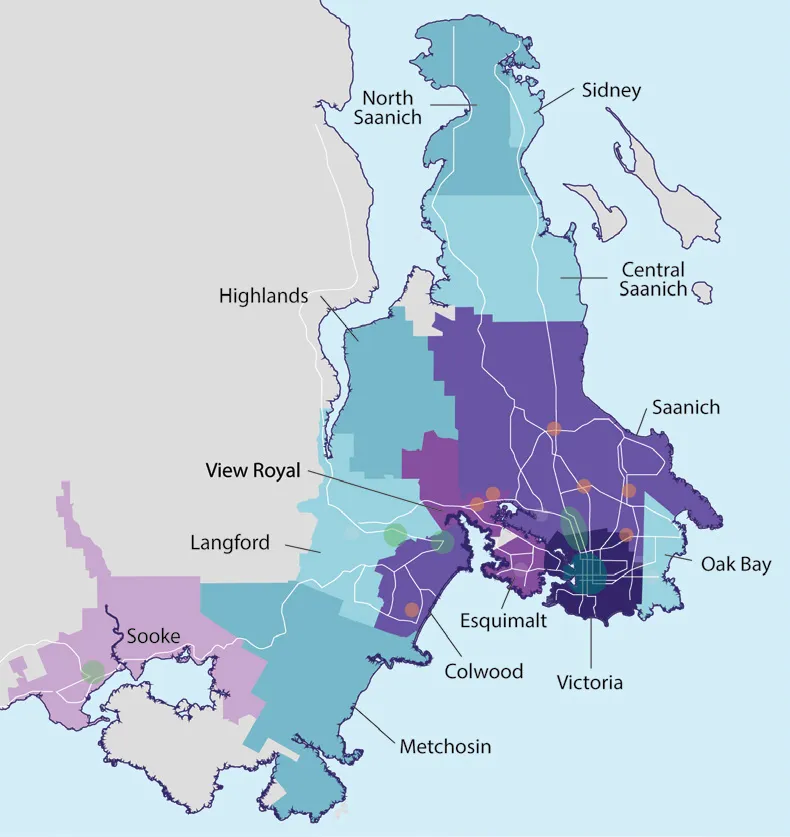
Market demand for new hotel development is expected to be distributed across the region, reflecting different visitor segments, travel patterns, and location advantages. It is recommended that of the 2,000 new hotel rooms to be added over the next decade, 75% are located within the City of Victoria, maintaining the current hotel supply ratio. This is supported by Destination Greater Victoria policy and the City of Victoria’s recent OCP update. This also aligns with the CRD Growth Plan and existing urban structure.
- The Metropolitan Centre (Downtown Victoria) will remain the primary location for higher-density hotel development, including full-service hotels, conversions, and a potential conference hotel, supported by proximity to key tourism assets, the Inner Harbour, and transportation connections.
- Subregional Nodes (major commercial and commuter areas) are anticipated to support additional supply, particularly limited-service suites and smaller boutique hotels, with some opportunity for full-service hotels in select locations.
- Local-serving nodes are anticipated to accommodate smaller-scale hotel formats, supporting local tourism, visiting friends and family, and regional travel demand.
This distributed approach allows the region to add hotel capacity while aligning with planned growth patterns and infrastructure, ensuring development is both market-supported and contextually appropriate.
Anticipated Geographic Distribution of Hotel Supply
Victoria’s Hotel Development Pipeline
Development Permit Pipeline
In the last two years, Greater Victoria has seen increased interest in hotel development. Several hotel development projects are currently at various stages in the permitting process. While not all of these will be built, these projects provide a strong indication of the types of hotel developments that are being explored in the region.
Hotel Types
Projects in Greater Victoria’s hotel permitting pipeline include a strong concentration of limited-service and extended-stay hotel formats. These tend to be concentrated outside the downtown core. These extended-stay and suite-based hotel models include brands such as TownePlace Suites by Marriott and Home2 Suites by Hilton.
These formats are gaining traction because they offer lower operating costs and simplified staffing models compared to full-service hotels. In addition, longer-stay guests (including business travelers, project-based workers, medical visitors, and individuals visiting friends and family) help stabilize occupancy and revenue. As a result, extended-stay products are often viewed by developers and lenders as lower-risk, particularly in secondary and suburban markets.
The hotel permitting pipeline also includes several full-service, high-density hotels. Proposals for these types of hotels tend to be concentrated in the downtown core and near key character neighbourhoods or waterfront sites. In several cases, these hotels are seeking modest additional density to deliver operationally and financially viable hotel projects downtown. Full service hotels can offer broader community amenities and more long term employment.
Hotel as part of wider mixed use developments is also being explored for several significant development sites across the Greater Victoria region, such as the Beachlands in Colwood.
Hotel Construction Models
The current pipeline also demonstrates a range of development approaches:
- There are a couple of heritage and adaptive reuse projects proposed downtown Victoria for full service midscale and upscale hotels.
- There are a few new-build proposals for midscale and upper-midscale hotels in suburban and highway-oriented locations.
- There are a limited number of larger-format hotels proposed for downtown, with one proposed project approaching 200 rooms.
Overall, most projects fall within the 80 to 140 room range, aligning closely with the operational ‘sweet spot’ identified by the Hotel Development Working Group.
Geographic Distribution
The pipeline reflects a distributed development pattern across the region:
- Downtown Victoria remains the focus for higher-density, full-service hotels and heritage conversion.
- Suburban locations are seeing increased interest in limited-service and extended-stay hotel formats.
This distribution reinforces the broader finding that future hotel supply will be delivered across multiple nodes, rather than concentrated in a single location.
Financial Feasibility Analysis & Insights
Six factors impact the financial feasibility of hotel projects:
- Construction Costs: Hard costs, soft costs and FF&E make up the bulk of project costs.
- Policy & Planning: Hotel size and design impacts competitiveness of hotel with other uses.
- Fees & Taxes: Impact cash flow during hotel development and operational profitability.
- Market Factors: Stable occupancy and room rates are essential for hotel viability.
- Operational Factors: Achieving a sufficient net operating margin is critical to hotel profitability.
- Development Model: Mixed use development models can be used to help de-risk hotel dev.
Construction Costs
Hard costs make up about 60% of overall hotel project costs, with soft costs and furniture, fixtures, and equipment making up about 20% of additional project costs. As 80%+ of the total cost of hotel development, changes in construction costs directly impact overall project viability at about a 1:1 ratio. This means that a 1% change in construction costs can result in a nearly a 1% change in the projected profitability of a hotel development project.
The biggest drivers of construction costs are:
- Construction method: A 4-6 storey, wood frame building is substantially less costly to build than an 8-10 storey concrete building.
- Building codes: Changes to building codes, including environmental and seismic codes, can substantially increase the cost of construction.
Policy and Planning
Planning policies dictate hotel size, site costs, and design. This can impact both construction costs and the competitiveness of hotel development as compared with other site development options. Members of the Hotel Development Working Group noted that hotels of a specific size—of 100 to 160 rooms—are most operationally efficient in the Victoria market. This means that achieving building densities that can support hotels of this size is critical to their financial viability.
Planning impacts hotel viability by:
- Dictating density and design requirements
- Influencing permitting timelines which, in turn, can impact project costs (including carrying costs of the land and construction cost escalation).
Fees and Taxes
Fees and taxes, including property taxes, development charges, and frontage fees can add up to about 5% of total development costs. In addition fees and taxes can impact:
- Cash flow: Development fees can result in added capital outlay before construction has begun and long before revenues are realized.
- Cost certainty: Some fee structures create uncertain costs for developers and investors which can make forecasting of the financial feasibility of projects difficult.
Market Factors
Market research is critical to any development process. Two market factors dictate project feasibility from a developer standpoint:
- Occupancy rates: The rate at which rooms can anticipate to be occupied throughout the year.
- Average daily room rates: The average room rate achieved throughout the year.
These factors dictate the anticipated revenue per available room and make up the bulk of the revenue structure for hotels. Hotels with food and beverage and event amenities may also be factoring in revenues from additional sources, but these tend to be secondary to occupancy and room rates.
Operational Factors
The profit margin in hotel projects is, in part, dictated by how efficiently a hotel can be operated. By far, the most significant operating cost for a hotel is staffing. This is, in part, why full service hotel models are more complex and financially risky. Changes in the labour market will impact these hotels more acutely.
Cap rates, which can be impacted by the depth and breadth of investors and developers in the hotel market, can also impact project feasibility for developers that do not intend to be long-term hotel operators. Only high-level operational financial analysis was conducted by the Working Group. Individual hotel developments and operating models vary significantly and were not assessed in detail.
Development Model
Development models, such as mixed use development models or shared amenity models can also impact project cashflow, financing, and revenue structures throughout the year.
Preliminary financial analysis on various hotel types in Greater Victoria assumed a standard new build, stand alone hotel development to demonstrate which hotel formats are more or less financially challenging than others (see table below).
Conceptual Hotel Feasibility Assessment: Assumptions and Outcomes
| Limited Service Midscale Hotel | Full-Service Upscale Hotel | Boutique Luxury Hotel | Conference Upscale Hotel | |
|---|---|---|---|---|
| Construction Type | wood frame | concrete tower | wood frame | concrete tower |
| Rooms | 100 | 140 | 80 | 200 |
| Room Size | 375-450 SF | 275-350 SF | 250-400 SF | 275-350 SF |
| Floors | 3-6 | 10-18 | 3-6 | 10-20 |
| Floor Space Ratio | 0.75-2 | 4+ | <1 | 4+ |
| Parking | At grade | Underground | At grade | Underground |
| Amenities | Limited | High | Very High | High |
| Financial Feasibility | Moderate | Challenging | Challenging | Challenging |
PART 2: Economic and Community Impacts of Hotels
Economic Impacts of Hotel
Economic Impact Overview
Hotels contribute to the local economy in several ways.
- Tourism and Events | Hotels provide accommodation for visitors, making them integral infrastructure for tourism and events.
- Employment Anchors | Hotels function as economic anchors—employing dozens of people and acting as community gathering spaces. Hotels also act as economic catalysts, helping to activate commercial areas, increase foot traffic, and support local business clusters.
- Supply Chain Purchasing | Hotels employ local service providers (e.g. marketing firms, accounting firms, event rental companies) and goods providers (e.g. art suppliers, linen and toiletry suppliers, food suppliers) in their supply chains.
- Visitor Spend | Hotels contribute meaningfully to the viability of other businesses by accommodating overnight visitors whose spending supports restaurants, retail, cultural institutions, and transportation services.
Measuring Economic Impact
Hotels play a significant role in supporting local economic activity, both directly and indirectly. Direct economic impacts can be quantified through employment and wages generated through hotel operations, as well as direct contributions hotels make to income and property taxes. Indirect economic impacts can be quantified based on the employment and wages supported through the hotel supply chain and visitor spend.
Direct employment and wages are calculated using staff-to-room ratios based on provincial hospitality benchmarks and average wages. Tax impacts are calculated using federal, provincial, and municipal taxation rates applied to a conceptual hotel operating model. These include income taxes, sales taxes, property taxes, and (where applicable) the Municipal and Regional District Tax (MRDT).
Indirect impacts are calculated using visitor spending profiles and hotel supply chain profiles. Visitor spending profiles include expenditures in food and beverage, retail, transportation, entertainment, and recreation. Economic multipliers are applied to estimate additional jobs and economic activity supported across these sectors. Supply chain profiles include hotel spend on outsourced services, such as laundry, professional services, and event services. A percent local spend assumption has been applied to indirect economic impacts in recognition that the supply chain of major hotel brands is likely to include international vendors.
Economic Impact Summary
Based on a projected 2,000 net new hotel rooms, new hotel development is expected to generate substantial ongoing economic benefits across Greater Victoria, including:
- 1,180 direct jobs in hotel operations
- 1,580 indirect jobs supported across the local economy
- Approximately $85 million in annual wages
- More than $100 million in annual visitor spending
In addition, hotel activity is projected to generate significant tax revenues annually, including:
- $15.8 million in municipal taxes
- $15.8 million in provincial taxes
- $17.9 million in federal taxes
These figures represent ongoing operational impacts, in addition to the temporary employment and economic activity generated during hotel construction.
Economic Impacts: Individual Hotels
| Limited Service Midscale Hotel | Full-Service Upscale Hotel | Boutique Luxury Hotel | Conference Upscale Hotel | |
|---|---|---|---|---|
| Average Rooms per Hotel | 100 | 140 | 80 | 200 |
| Direct Jobs Generated | 40 | 85 | 80 | 160 |
| Direct Wages Generated | $2.9M | $6.1M | $5.8M | $11.6M |
| Indirect Local Jobs Generated | 50 | 125 | 70 | 225 |
| Local Visitor Spending | $3.6M | $8.3M | $5.0M | $11.9M |
| Annual Municipal Tax Impacts | $0.7M | $1.2M | $0.7M | $1.5M |
| Annual Provincial Tax Impacts | $0.7M | $1.2M | $0.8M | $1.7M |
Economic Impacts: 2,000 New Hotel Rooms
| Limited Service Midscale | Full-Service Upscale Hotel | Boutique Small Luxury Hotel | Conference Upscale Hotel | TOTAL | |
|---|---|---|---|---|---|
| Assumed Percent of Rooms | 35% | 45% | 10% | 10% | 100% |
| Direct Jobs Generated | 280 | 540 | 200 | 160 | 1,180 |
| Direct Wages Generated | $20.4M | $39.3M | $14.6M | $11.6M | $85.9M |
| Indirect Local Jobs Generated | 365 | 815 | 180 | 225 | 1,585 |
| Local Visitor Spending | $25.3M | $53.4M | $12.6M | $11.9M | $103.2M |
| Annual Municipal Tax Impacts | $5.0M | $7.5M | $1.8M | $1.5M | $15.8M |
| Annual Provincial Tax Impacts | $4.6M | $7.5M | $2.0M | $1.7M | $15.8M |
| Annual Federal Tax Impacts | $4.9M | $8.3M | $2.4M | $2.2M | $17.8M |
Hotel Community Benefits
Community Benefits Overview
Hotels in Greater Victoria contribute significantly to the social and economic fabric of the community. Beyond providing accommodation for visitors, hotels function as community hubs, philanthropic partners, and event infrastructure, supporting local charities, cultural programming, and civic gatherings. They also provide secondary economic development benefits, supporting demand for local amenities and attractions and participating in the development of the local arts and culture sector.
Community Assets
Hotels play important roles as community assets. This can take the form of:
- Delivering community spaces, such as plazas, rooftop patios, and lobby gathering points.
- Providing access to amenities for both guests and the general public, such as access to restaurants, publicly accessible washrooms, and water bottle refill stations.
- Acting as muster points during community emergencies.
- Offering community access to facilities such as pools and fitness centres to community members or clubs, through memberships or municipal partnerships, to expand access to recreational infrastructure.

In addition, hotels provide critical venues for community fundraising and civic events that often cannot be hosted elsewhere due to capacity and infrastructure requirements. These events often include:
- Healthcare foundation fundraising galas
- University and education fundraisers
- Cultural organization benefit events
- Community leadership awards
- Tourism and business association events
Hotels frequently support these events through:
- Reduced venue rental rates
- Discounted catering packages
- Complimentary auction packages
- Staff support and coordination

Philanthropic Partners
Hotels act as philanthropic partners to a wide range of charitable organizations in their communities. They are among the largest contributors to charity silent auctions and fundraising raffles, offering:
- Overnight stays
- Dining experiences
- Spa packages
- Culinary experiences
- Weekend getaway packages
Several hotels also directly support charitable and non-profit organization activities through:
- Discounted event space and meeting space for fundraising events and board meetings
- Discounted stays and accommodation blocks for charity events and conferences
- Corporate sponsorship of programs and events
- Hosting local fundraising events
- Participating in donation programs, donating unused supplies and second-hand furniture
- Running volunteer programs for employees, encouraging participation in local beach clean ups, food bank operations, etc.
These direct supports for community organizations allow them to host events, raise funds, and run programs they might not otherwise be able to afford.

Events, Arts, and Culture
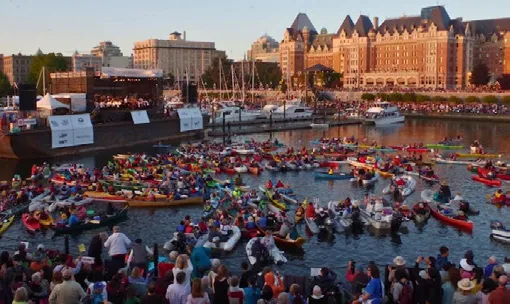
Hotels play a critical role in enabling major events, including conferences, sporting events, festivals, and performances. Adequate hotel capacity is essential for attracting and hosting these events, which generate significant economic and cultural benefits for the region.
Hotels also support local and community events, providing accommodation for visiting teams, speakers, artists, and volunteers. They often also participate in events by providing sponsorships and in-kind support or directly participating in:
- Local arts programming
- Culinary events and food festivals
- Cultural celebrations
- Community holiday events
In addition to direct participation, hotels often provide room nights, discounted venue space, or sponsorship contributions to support these initiatives. Hotels also contribute to the arts and culture sector through direct purchasing of local art, displaying local art in lobbies and rooms, featuring local musicians in dining and gathering spaces, and promoting arts and culture programming and events to their guests.
Economic Development
Hotels support attraction development and local investment by providing a consistent customer base that extends beyond the local population. This demand sustains restaurants, retail, tours, and cultural institutions, while enabling continued investment in public infrastructure and experiences. Hotels also contribute to street vitality, activating commercial corridors.
Many hotels also prioritize local procurement, strengthening regional supply chains across food services, maintenance, and operations. In areas with significant research, innovation, or institutional activities, they provide accommodation and meeting space for visiting professionals, researchers, trainees, and event attendees.
Finally, hotels play an important role in hosting major conferences and conventions. Recently, hotels have identified challenges in accommodating the room blocks required for some larger conferences and events, sometimes necessitating bookings across multiple properties. This can affect the region’s competitiveness in attracting business events and highlights the role of additional hotel capacity in supporting business travel in Greater Victoria.


Emergency Response
Hotels can act as critical infrastructure for individuals, families, and entire communities in times of crisis. This is seen in the important role that hotels play around hospital and healthcare districts, as well as the important role they play as muster points or temporary accommodation during a crisis, such as a major fire or flooding event.
PART 3: Recommendations for De-Risking and Streamlining Hotel Development
Addressing the Hotel Supply Gap
Ongoing Efforts
Several municipalities have already started taking action to address the hotel supply gap. Examples of work already underway include:
- Permitting Process Improvements | The City of Victoria is piloting an expanded pre-application process for hotel development that includes an early interdisciplinary workshop to work through critical design and density conversations.
- Policy Framework Updates | Several municipalities have identified opportunities in their existing OCPs and planning programs to name hotels as a priority or permitted use. In addition, some are exploring using density tools to support hotel development.
- Hotel Site Assessments | View Royal has completed a hotel site assessment and identified the potential for a full-service hotel supported by meeting space, business travel, and government stays near the Elements Casino, as well as limited service and extended stay potential near the Victoria General Hospital.
- Evolving Parking Policies | The City of Victoria is currently working on updating off-street parking regulations so that parking minimums would not apply in the wider Downtown Core Area and reduced rates would apply in major mobility hubs and along frequent transit corridors. Other municipalities are applying case-by-case parking flexibility through studies and variances.
- Site Identification & Landowner Engagement | Several municipalities, including Sooke, Esquimalt, and Colwood have identified potential hotel development sites and are engaging with landowners, developers, and prospective Indigenous partners to test interest in, and feasibility of, hotel development on these sites.
- Targeted Tax Holidays | Colwood has previously used a time-limited tax exemption to attract hotel development, and the City of Victoria has an active tax incentive program to help cover the cost of seismic upgrades to heritage buildings.
In addition, Destination Greater Victoria has published a Hotel Prospectus designed to provide prospective hotel investors, developers, and operators with critical data and insights on Victoria’s visitor economy and accommodation performance. The BC Hotel Association is also actively engaging with hotel developers, investors, and operators to help connect them with key landowners, prospective brand partners, and municipal hotel development champions across the province.
Recommendations
Six recommendations were developed by the Hotel Development Working Group to continue the progress-to-date on addressing the hotel supply gap in Greater Victoria. These are generalized recommendations for consideration by municipal leaders and destination developers, recognizing that these will not apply universally across the region.
- Apply targeted zoning and land use policies to unlock hotel development sites.
- Address permitting process complexities early to reduce permitting time.
- Deliver hotel development education and technical support to municipal staff.
- Pursue First Nations hotel partnerships.
- Support regional hotel investment attraction.
- Establish supportive policy and financial tools for hotel conversion and revitalization.
RECOMMENDATION 1
Apply targeted zoning and land use policies to unlock hotel development sites.
- Target Audience: Municipalities
The viability of hotel development in Greater Victoria is closely tied to planning and density frameworks that influence where hotels can be built, what form they can take, and how they can be integrated into mixed-use projects. While there is market demand for new hotel supply, current planning frameworks do not always align with the physical and financial requirements of viable hotel projects, limiting the number of feasible development opportunities.
Full-service hotels in Greater Victoria are typically most viable at a scale of approximately 100 to 160 rooms, corresponding to roughly 50,000 to 80,000 square feet of built floor area, depending on brand positioning and amenity mix. Delivering projects at this scale requires sufficient site size, appropriate density allowances, and flexibility in mix of uses. However, in many areas, available sites are either too small, constrained by density limits, or subject to land use policies that prioritize other uses, such as residential or office development.
The relationship between site size and achievable density is a key determinant of hotel feasibility. On smaller sites, higher density is often required to deliver a viable number of rooms. On larger sites, while density may not be a constraint, hotel use alone is typically insufficient to absorb the full development potential of the site. In these cases, mixed-use development becomes essential to achieving viable outcomes.
Importantly, while larger sites may theoretically accommodate a mix of commercial uses, current market conditions in many parts of Greater Victoria limit the viability of office or other commercial development as a primary complement to hotel use. As a result, residential uses often play a critical role in supporting project feasibility by improving financing conditions and absorbing additional density. Planning frameworks that do not allow sufficient residential integration alongside hotel uses may therefore unintentionally constrain hotel development on otherwise suitable sites.
Targeted planning tools can expand the range of viable hotel development sites. Supporting hotel development through planning and density frameworks should be understood as a strategic economic development tool, helping ensure that sufficient accommodation supply is delivered to support the region’s visitor economy.
Recommended Actions:
1. Identify, expand, and prioritize suitable hotel development areas. Municipalities, in collaboration with regional partners, should review their land use frameworks to identify areas suitable for hotel development based on proximity to demand drivers such as tourism attractions, transportation infrastructure, employment centres and amenities, as well as site characteristics including size, configuration, and access. For municipalities where hotel use is constrained, this review should result in expanding where hotel use is permitted (beyond traditional downtown or core commercial zones) to include appropriate mixed-use areas, employment areas, or emerging urban centres that are aligned with broader regional growth strategies.
2. Enable targeted density flexibility for hotel development. Introduce targeted density increases or incentives in priority areas to support viable hotel scale, particularly for sites where base density is insufficient to accommodate 100–160 room projects or where additional density is needed to support mixed-use feasibility. This will likely include taking different approaches to density on different site sizes. Specifically, added density is likely required on smaller sites in the downtown core to achieve a full-scale 160 room hotel, which is likely to require a minimum of 80,000 buildable square feet of floorspace.
3. Increase flexibility in permitted mixed use areas to enable hotel integration. Update planning policies and zoning frameworks to allow more flexible combinations of hotel, residential, and commercial uses, recognizing that residential components are often necessary to support feasibility, particularly on larger sites where hotel use alone cannot absorb available density.
Delivering hotel, residential, and another commercial use, such as office, on a single site can be challenging from a design, circulation, and security perspective. Minimum commercial requirements on sites larger than 27,000 square feet can demand more commercial space than can be supported by a single, full-scale hotel. Therefore, commercial requirements on these large sites may need to be scaled to align with the hotel operating ‘sweet spot’ or a footprint that would support a 100-160 room hotel, opening up the remainder of the site for residential density.
RECOMMENDATION 2
Address permitting process complexities early to reduce permitting time.
- Target Audience: Municipalities
Hotel design is shaped by the interaction between municipal design requirements and hotel brand standards and operational needs. Misalignment between hotel operator/brand requirements and municipal design guidelines can introduce complexity into the permitting process, delaying project delivery and increasing development costs. Two of the most common areas of misalignment are around parking and design of the hotel–street interface.
Minimum parking requirements can materially impact hotel feasibility, particularly on constrained urban sites. Fixed parking ratios may reduce achievable room counts, necessitate costly underground construction, or require larger development sites. At the same time, hotel parking demand varies significantly by location, brand positioning, and proximity to transit and amenities. In many core and transit-oriented areas, guest travel patterns are shifting, with increasing reliance on air travel, transit, and ride-hailing, reducing the need for parking.
Hotel–street interface is another area where competing priorities can delay hotel design approval. Municipal objectives related to pedestrian safety, active street frontages, and maintenance of neighbourhood character can at times conflict with hotel operational requirements such as porte-cochère access, loading zones, and security considerations. While both municipalities and hotel brands have demonstrated flexibility in navigating these issues, a lack of clear and consistent guidance can lead to iterative redesign, uncertainty, and delays during the approvals process. These challenges are compounded by limited clarity around where flexibility can be applied.
Recommended Actions:
1. Clarify and communicate hotel-specific design expectations early. Provide clear, up-front guidance to hotel developers and brands on key design expectations related to street interface, neighbourhood character, and public realm objectives, including identification of non negotiable requirements and areas where flexibility may be considered.
Where relevant, municipalities should consider updating design guidelines in area plans and communications to underscore design requirements specific to hotels in a given location. These should consider differences in hotel location and context (e.g. historic downtown core, highway corridor, suburban), type, and pick up-drop off approaches, with a focus on helping establish creative approaches for meeting brand requirements within urban design constraints.
2. Modernize parking requirements for hotel development. Update parking approaches to better reflect actual hotel demand by eliminating or reducing minimum parking requirements in transit-served areas, allowing demand-based parking studies in place of fixed ratios, or enabling shared parking and off-site parking agreements.
3. Make permitting process improvements to reduce hotel design iterations. Propose an early interdisciplinary workshop (including senior staff in key departments, such as planning, engineering, building services, etc.) as part of the permitting process to identify points of conflict or concern prior to further conceptual design development. Clarify internal decision authority for applying flexibility to design requirements, ensuring consistent and timely decisions on matters such as access, loading, frontage conditions, and parking to reduce the number of design iterations required.
Throughout the design of permitting process improvements, municipalities should support culture change, encouraging staff to work collaboratively with developers to enable a viable project rather than strictly enforcing departmental policies. This includes practicing flexibility around specific design requirements and acknowledging trade-offs between policy objectives.
4. Support context-sensitive design solutions for the street interface. Encourage site-specific design approaches that balance neighbourhood-specific public realm objectives with hotel operational needs, including solutions for guest drop-off, loading, pedestrian safety, and streetscape integration. Consider applying frontage fee flexibility for hotel developments that match public realm objectives and provide other street-level community benefits, recognizing that hotels have significant requirements for both indoor and outdoor street-fronting at-grade space.
RECOMMENDATION 3
Deliver hotel development education and technical support to municipal staff.
- Target Audience: Destination Greater Victoria, Municipalities
The pace of hotel development is influenced not only by market conditions, but also by the capacity of municipal staff and decision makers to evaluate hotel proposals efficiently and consistently. Across the region, many municipalities have limited direct experience with hotel development, particularly given the relatively low volume of new hotel projects over the past two decades. As a result, hotel proposals are often assessed within frameworks more commonly applied to residential or general commercial development, which can result in longer permit processing timelines.
Specifically, municipal staff are required to make complex recommendations and decisions related to:
- Zoning and land use, which requires understanding hotel site requirements and the economic and employment value of hotels relative to other commercial uses on a given site
- Density, mixed-use allowances, and parking requirements, which requires understanding the operational constraints of hotels and how these factors influence financial feasibility
- Prioritization of policy objectives, which requires understanding how to weigh the community and economic benefits of hotel development against other civic priorities
- Application of design guidelines and building codes, which requires familiarity with brand standards and permitting considerations specific to hotel development
Several municipalities have expressed interest in strengthening regional capacity to evaluate and permit hotel projects through shared education, training, and technical support for staff. A coordinated, regional approach to this training and education can keep the cost to municipalities low and ensure that municipal staff, elected officials, and industry stakeholders have access to consistent information, practical tools, and on-demand expertise.
Improving understanding of hotel development dynamics across the region can support more timely and consistent decision making, reduce uncertainty for hotel developers, and ultimately help accelerate the delivery of new hotel supply in alignment with regional economic development objectives.
Recommended Actions:
1. Fund a regional education, training, and advisory resource. Co-fund a shared resource to support hotel development education and project evaluation across the region.
2. Deliver formal and informal hotel planning and permitting support to municipalities. Run a 12-month pilot for providing shared support to municipalities, including:
- Structured Education and Training – formal workshops focused on hotel development fundamentals and how hotel projects differ from other forms of development.
- On-Demand Technical Advisory Support – Advisory services that municipalities can access to support the evaluation of hotel proposals, including guidance on policy trade-offs, feasibility considerations, and development economics.
- Scenario Testing and Evaluation Tools– Practical tools and frameworks to help municipal staff assess how changes in planning and design requirements impact hotel project viability.
RECOMMENDATION 4
Pursue First Nations hotel partnership opportunities.
- Target Audience: Destination Development Orgs, Municipalities
First Nations are key economic development partners in Greater Victoria, including as constitutionally recognized rights holders, landowners, and sophisticated economic actors with longstanding connections to and interests in their territories. Hotel development can be well aligned with First Nations economic development priorities due to its long-term revenue and employment potential and opportunities for cultural expression. Across British Columbia, First Nations have successfully led and partnered in hotel developments through a range of models, including joint ventures, long-term ground leases, equity investment, and Nation-owned development supported by experienced hotel brands and operators.
A meaningful partnership is defined by its commercial structure, not its intent. Partnership structures that create genuine equity participation and decision-making parity for First Nations partners should be promoted. The following models represent a spectrum of viable structures, presented in order of First Nations economic participation.
| Partnership Model | Key Characteristics and Application |
|---|---|
| Nation-Led | First Nation as developer and owner; hotel brand/operator as service provider. Maximum economic benefit and governance control. Applicable where the nation holds site and capital. |
| Joint Venture — Majority Equity (51/49) | Shared ownership, governance, and profit. Both parties contribute capital, expertise, or land. Preferred model where the Nation seeks full partnership. Majority First Nation ownership (51%) recommended to ensure access to benefits reserved for initiatives with majority First Nation ownership. |
| Joint Venture — Minority Equity (25–49%) | Nation as equity partner with governance representation and profit participation. Appropriate where Nation capital or land contribution is proportionally smaller. |
| Long-Term Ground Lease with Revenue Share | Nation as landowner; developer builds and operates. Nation receives ground rent plus revenue participation. Strong option where Nation holds site but prefers not to carry construction risk. |
| Equity Investment with Preferred Return | Nation invests capital for preferred return plus equity upside. First Nations Financing Authority (FNFA) financing makes this competitively priced. Appropriate for established developers seeking Indigenous capital. |
What First Nations Bring to Hotel Partnerships:
First Nations economic development corporations in Greater Victoria bring a combination of assets, rights, and capabilities:
- Access to FNFA financing: First Nations Finance Authority borrowing capacity at rates competitive with institutional lenders, without the balance sheet impact of conventional debt for Nation-owned entities.
- Land holdings: First Nations have significant fee simple and reserve lands in strategic locations, including within and adjacent to Greater Victoria’s prime hotel development corridors.
- Industrial and Technological Benefits (ITB) value: For hotel developments tied to federal procurement, Indigenous participation can generate Industrial and Technological Benefits multiplier credits.
- Procurement Strategy for Indigenous Business (PSIB) eligibility: The federal Procurement Strategy for Indigenous Business set-asides create contracting advantages for Indigenous-owned development entities.
- Cultural and reputational value: Authentic Indigenous cultural programming and partnership creates a differentiated guest experience and positions Greater Victoria hotels competitively in international markets prioritizing responsible tourism.
- Constitutional rights: Constitutional rights of Indigenous partners can support planning and regulatory approvals.
Recommended Actions:
1. Update the Greater Victoria Hotel Development Prospectus Update the Greater Victoria Hotel Development Prospectus to include a dedicated section outlining First Nations hotel partnership models and opportunities and provide a directory of First Nations and their economic development corporations in Greater Victoria, with explicit acknowledgment that these entities represent First Nations as rights holders and prospective partners.
2. Establish a structured commercial engagement protocol. Work with local First Nations and their economic development corporations to establish a structured commercial engagement protocol that encourages hotel developers to engage through transparent and good faith processes, supporting early information sharing, sufficient time for Nation-led decision making, and meaningful discussion of partnership structures, while recognizing that each Nation defines its own engagement processes, timelines, and priorities.
3. Support industry development. First Nations economic development corporations require current market intelligence and improved visibility into the hotel development project pipeline. The hotel development community, in turn, requires a current understanding of partnership models and the legal and governance considerations relevant to First Nations hotel development partnerships. It is recommended that a joint briefing series be convened as a shared learning forum for hotel developers, municipal planning staff, financial institutions, and First Nations participants. Content should be designed to meet the needs of each group and support practical partnership readiness on all sides.
4. Strengthen early-stage project participation. Pre-development costs, including feasibility studies, legal, architectural, and environmental assessment work, are a significant component of First Nations-led and First Nations-equity hotel development projects. It is recommended that advocacy be undertaken with the federal government for a dedicated pre-development fund to support First Nations and First Nations economic development corporations, in partnership with private developers, in advancing hotel projects in Greater Victoria.
RECOMMENDATION 5
Support regional hotel investment attraction.
- Target Audience: Destination Greater Victoria, BC Hotel Association, Province of British Columbia: Ministry of Tourism, Arts, Culture and Sport
While municipal leaders may have strong motivation and available land or policy support for hotel development, it is a highly specialized sector with its own ecosystem of developers, operators, investors, and advisory firms. Without a clear understanding of who these players are, how they make decisions, and what they require to move forward, municipalities risk missing opportunities or failing to position their communities competitively. Targeted support can bridge this knowledge gap, enabling municipalities to identify and package opportunities effectively, and connect local landowners with the right industry partners.
Specific hotel investment attraction opportunities have been identified throughout the region to date, including:
- Extended-stay hotels, where demand is anchored by the hospital in View Royal and the naval base in Esquimalt, as well as local sport travel throughout the region
- Boutique and destination-oriented hotels, where demand is driven by waterfront views and walking, biking, and hiking trail access in Sooke and Colwood
- Large full-service hotels, where demand is anchored by tourism, cruise, conferences and business events, work travel, and major events in Victoria
By equipping Greater Victoria municipalities with better insight and connectivity into the hotel investment landscape, they can proactively help shape hotel development that aligns with community goals, market demand, and long-term planning objectives. This reduces uncertainty for investors while ensuring that projects contribute meaningfully to the region’s economic vitality and visitor economy.
Recommended Actions:
1. Update the Destination Greater Victoria Hotel Development Prospectus. Update the Hotel Development Prospectus to include a dedicated section outlining various municipal hotel development opportunities, including highlighting specific site opportunities and unique drivers of hotel demand in each community.
2. Convene and connect hotel developers, operators, landowners, and municipal leaders. Evolve the Hotel Development Working Group to become a wider network, including developers, landowners, hotel operators, and municipal economic development representatives. Activate this network through:
- Sharing hotel development updates and opportunities,
- Hosting occasional networking events (such as side events affiliated with other tourism or hotel conferences),
- Acting as an informal match-maker (as requested), connecting individuals across Greater Victoria’s hotel development ecosystem, and
- Proactively telling the story of the strength of Victoria’s visitor economy and Greater Victoria’s hotel investment readiness.
RECOMMENDATION 6
Establish supportive policy and financial tools for hotel conversion and revitalization.
- Target Audience: Municipalities
A significant portion of the region’s existing hotel inventory is aging, with many hotel buildings over 50 years old and requiring reinvestment to remain competitive and operationally viable. The renewal of existing hotel properties is a critical but often overlooked component of maintaining overall supply. Without reinvestment, older hotels may gradually exit the market or reposition to alternative uses, reducing available room inventory over time. Supporting the modernization, expansion, or repositioning of existing hotels can help preserve and enhance the region’s accommodation base while improving competitiveness in the visitor economy.
In addition, Greater Victoria has a limited but meaningful opportunity to expand and sustain hotel supply through the conversion of existing heritage and office buildings. While heritage buildings often present attractive hotel opportunities from a location and character perspective, development of hotels in these spaces can be more complex and costly than new construction. Conversion of heritage and office buildings can include significant seismic upgrades and structural and mechanical upgrades to meet building code compliance. In addition, there are design constraints associated with adapting existing structures.
Experience from other jurisdictions demonstrates that financial tools and density incentives can enable both conversion of existing buildings and reinvestment in older building stock. Victoria has an opportunity to adopt a more comprehensive approach to hotel supply that includes not only new development, but also the retention, renewal, and adaptive reuse of existing buildings. Supporting these pathways can help accelerate near-term room delivery while ensuring that existing hotels remain viable and competitive over the long term.
Recommended Actions:
1. Support conversion of heritage sites and underutilized office space to hotel. Expand the use of financial and policy tools to support the conversion of underutilized buildings to hotel. This should include exploring the following approaches to encouraging heritage conversion:
- Expanding heritage grant programs to provide more significant funding to larger scale projects
- Introducing targeted density incentives to support conversion of existing heritage buildings to hotel
- Expanding the existing neighbourhood hotel policy in the City of Victoria to include a wider range of heritage buildings
This should include exploring the following approaches to office conversion:
- Identifying office buildings that may be suitable for conversion to hotel based on size, configuration, age, and occupancy and providing clear policy pathways and zoning flexibility to enable these projects
- Clearly identifying the building code requirements for conversion, including the greatest cost drivers, to help developers understand the conversion process and prospective costs
- Extending tax revitalization incentives that help cover the cost of seismic upgrades to projects that are converting underutilized office to hotel
For all conversion projects, municipalities should consider ways to minimize hurdles affiliated with change of use. This should include evaluating:
- Triggers for making significant building upgrades, ensuring that life-safety standards are upheld while being flexible on upgrades that do not impact occupant safety
- Frontage improvement requirements, recognizing that making frontage improvements to existing buildings may not be financially or operationally feasible.
2. Support the retention, renewal, and expansion of existing hotels. Planning and policy frameworks should support the continued operation and modernization of existing hotel properties, recognizing their importance in maintaining the region’s accommodation supply. This could include:
- Setting general policy direction to support no net loss of hotel sites and rooms
- Enabling targeted density increases or policy flexibility to support retention of existing hotel sites and redevelopment into new hotel stock
- Ensuring zoning and policy frameworks do not unintentionally encourage the loss of hotel use in key tourism or commercial areas
In addition, municipalities should explore implementing a targeted municipal revitalization tax exemption to encourage reinvestment in existing aging hotel properties. This tool needs to consider financial impacts on the overall tax base including on other commercial businesses that would be responsible for absorbing the value of the tax exemption.
Implementation Pathways
Addressing the hotel supply gap in Greater Victoria will require a coordinated effort by destination developers, landowners, municipal governments, Indigenous development corporations, private developers and investors, and hotel operators. This report provides information, insights, and recommendations designed to strengthen the foundation of this coordinated effort. Implementing these recommendations will look different for destination developers, municipal governments, and hotel developers and operators.
Destination Developers
Destination developers, including Destination Greater Victoria, the BC Hotel Association, and the Province of BC Ministry of Tourism, Arts, Culture and Sport can:
- Communicate and market hotel development opportunities in the region.
- Coordinate municipal training, education, and peer-learning to support hotel development.
- Build connections and support networking opportunities between landowners, developers, Indigenous development corporations, hotel operators, and municipal regulators to facilitate hotel development.
Municipal Governments
Municipalities will apply the recommendations contained in this report differently based on local context. Possible paths forward include:
- Integrating the recommendations into Official Community Plans and Area Plans as targeted updates.
- Integrating hotel development training and education into ongoing permit improvement programs or professional development programs.
- Updating zoning regulations and design guidelines to include hotel-specific policies.
- Establishing interim policies or pilot approaches to supporting hotel development to enable immediate action.
Hotel Developers and Operators
Hotel developers and operators can continue to work closely with municipal partners and economic development agencies to:
- Identify marketable opportunities for hotel development in Greater Victoria.
- Secure hotel brand and operator interest in the Greater Victoria market.
- Assist municipalities with technical insights that may be needed to inform updates to plans, policies, and permitting processes.