ATTACHMENT 10: Tree Information Appendices
Tree management plan map and technical details for paving over roots and protection fencing.
APPENDIX A - TREE MANAGEMENT PLAN
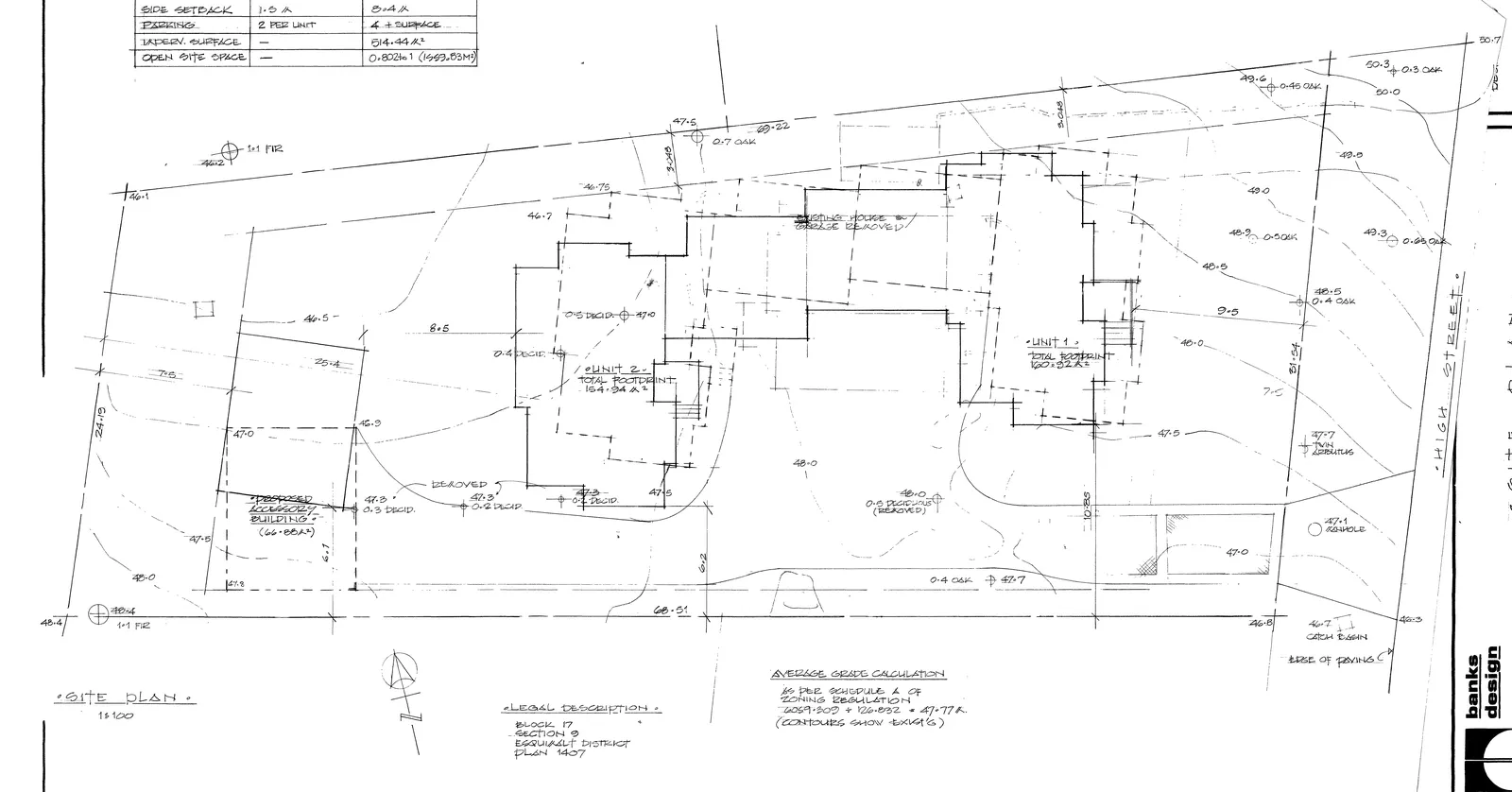
LEGEND
- Tree (Open circle)
- Dripline (Dashed line)
- Critical Root Zone (Solid red circle)
- Tree Protection Fencing (Zig-zag line)
- X Tree for Removal (Red X)
HARD SURFACE ABOVE TREE ROOTS NOTE
- Maintain as large a setback as possible between fill encroachment and the root cellar of the tree as possible.
- Review any canopy clearance pruning requirements to accommodate vehicle or pedestrian clearances (pruning to be performed to ANSI A300 standards).
- Excavate the new footprint of the driveway or sidewalk under the supervision of the project arborist. Excavation will be limited to the removal of the existing sod layers. Excavation around root structures must be performed by hand, airspace, or hydroexcavation.
- Install a two-dimensional (such as combi-grid30/30) or three-dimensional geogrid reinforcement.
- Install a 150mm depth layer of clear crushed gravel (no fines) using 20mm and/or 75mm diameter material or approved equivalent. *Note: depth may be less that 150mm in some situations (dependant on grading constraints).
- Install medium weight geotextile fabric (such as Nilex 4535 or similar) over the clear crushed gravel layer to prevent fine particles of sand infiltrating this layer.
- The bedding or base layer and new driveway or sidewalk surface can be installed directly on top of the felted filter fabric.
- Fill slopes – where possible, install loose-stacked boulders to reduce footprint of fill slopes that encroach within the critical root zone. Fill slope materials must be permeable to air and water. Do not pile fill material directly against tree trunk.
TREE PROTECTION NOTES
Paved surfaces above tree roots: Where paved areas cannot avoid encroachment within critical root zones of trees to be retained, construction techniques, such as floating permeable paving, may be required. The "paved surfaces above tree roots" detail above offers a compromise to full depth excavation (which could impact the health or structural stability of the tree). The objective is to avoid root loss and to instead raise the paved surface above the existing grade (the amount depending on how close roots are to the surface and the depth of the paving material and base layers). Final grading plans should take this potential change into account. This may also result in soils which are high in organic content being left intact below the paved area. To allow water to drain into the root systems below, we also recommend that the surface be made of a permeable material (instead of conventional asphalt or concrete) such as permeable asphalt, paving stones, or other porous paving materials and designs such as those utilized by Grasspave, Gravelpave, Grasscrete and open-grid systems.
Methods to avoid soil compaction: In areas where construction traffic must encroach into the critical root zones of trees to be retained, efforts must be made to reduce soil compaction where possible by displacing the weight of machinery and foot traffic. This can be achieved by one of the following methods:
- Installing a layer of hog fuel or coarse wood chips at least 20cm in depth and maintaining it in good condition until construction is complete.
- Placing medium weight geotextile cloth over the area to be used and installing a layer of crushed rock to a depth of 15cm over top.
- Placing two layers of 19mm plywood.
- Placing steel plates.
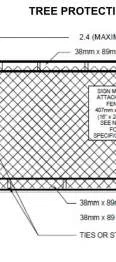
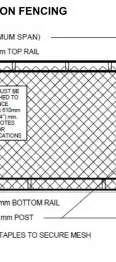
Tree protection barrier: The areas surrounding the trees to be retained should be isolated from the construction activity by erecting protective barrier fencing. Where possible, the fencing should be erected at the perimeter of the critical root zone. The barrier fencing to be erected must be a minimum of 1200mm in height, of solid frame construction that is attached to wooden or metal posts. A solid board or rail must run between the posts at the top and the bottom of the fencing. This solid frame can then be covered with flexible snow fencing. The fencing must be erected prior to the start of any construction activity on site (i.e. demolition, excavation, construction), and remain in place through completion of the project. Signs should be posted around the protection zone to declare it off limits to all construction related activity. The project arborist must be consulted before this fencing is removed or moved for any purpose.
Mulching: Mulching can be an important proactive step in maintaining the health of trees and mitigating construction related impacts and overall stress. Mulch should be made from a natural material such as wood chips or bark pieces and be 5-8cm deep. No mulch should be touching the trunk of the tree. See "methods to avoid soil compaction" if the area is to have heavy traffic.
Arborist supervision: All excavation occurring within the critical root zones of protected trees must be completed under the supervision of the project arborist. Any severed or severely damaged roots must be pruned back to sound tissue to reduce wound surface area and encourage rapid compartmentalization of the wound.
Pruning: We recommend that any pruning of bylaw-protected trees be performed to ANSI A300 standards and Best Management Practices.
110 High St: Tree Management Plan
| Tag # | Surveyed? | Location | Bylaw protected? | Common Name | Botanical Name | dbh (cm) | crown spread (m) | Critical root zone radius (m) | Health | Structural | Relative tolerance | General field observations/remarks | Tree retention/location comments | Retention status |
|---|---|---|---|---|---|---|---|---|---|---|---|---|---|---|
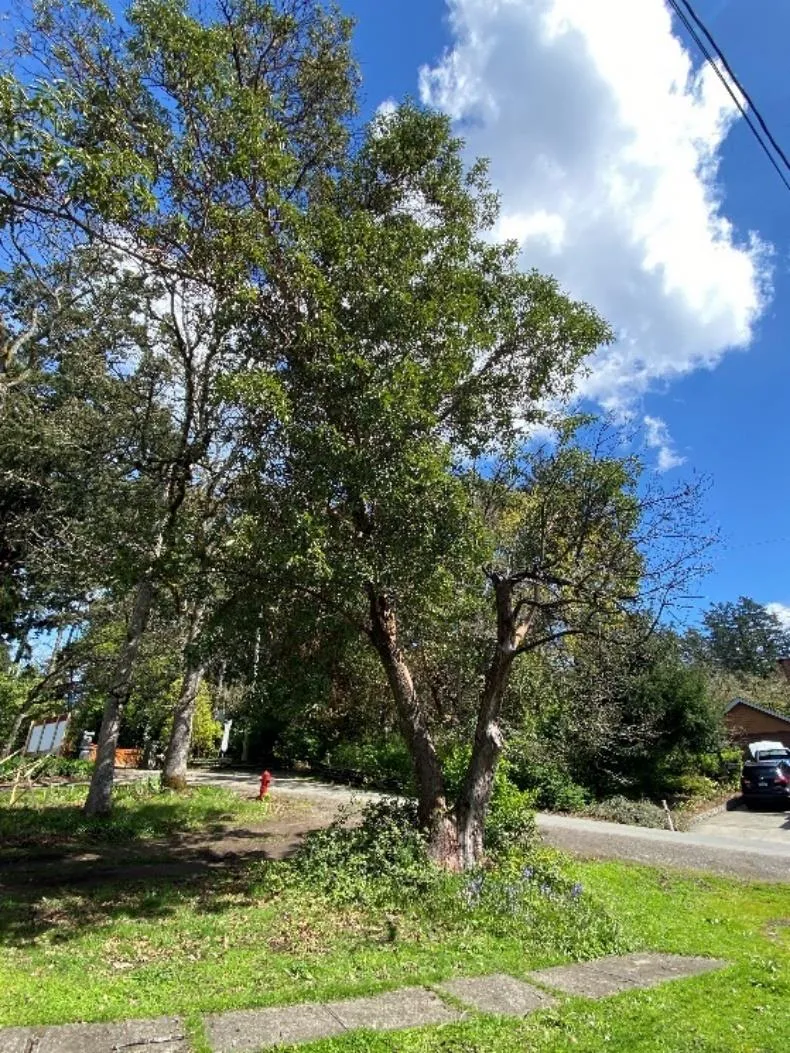
| M1 | Yes | City | Yes | Arbutus | Arbutus menziesii | 49, 50 | 10 | 12.307 | Fair-poor | Poor | Poor | Bark inclusion between 2 stems at 1m, deadwood, historical pruning wounds with associated decay, canker | May be possible for retention provided project arborist be on site to supervise excavation within CRZ, tree protection fencing to be installed according to Appendix A. Recommend some deadwood and weight reduction pruning to alleviate stress on weak points in structure. Paving within CRZ to follow specifications in Appendix C. | Retain |
| M2 | Yes | City | Yes | Garry oak | Quercus garryana | 65 | 10 | 6.825 | Fair | Fair | Good | Large formation off of southwest side of tree base (potential fruiting body), deadwood | May be possible for retention provided project arborist be on site to supervise excavation within CRZ, tree protection fencing to be installed according to Appendix A. | Retain |
| M3 | Yes | City | Yes | Garry oak | Quercus garryana | 32 | 5 | 3.36 | Fair-poor | Fair-poor | Good | Suppressed by OS1, sparse buds, deadwood, historical pruning wounds at 2m with associated decay | May be possible for retention provided project arborist be on site to supervise excavation within CRZ, tree protection fencing to be installed according to Appendix A. | Retain |
| 579 | Yes | On | Yes | Garry oak | Quercus garryana | 41 | 6 | 4.305 | Fair | Fair | Good | Asymmetrical crown | May be possible for retention provided project arborist be on site to supervise excavation within CRZ, tree protection fencing to be installed according to Appendix A. | Retain |
| 580 | Yes | On | Yes | Garry oak | Quercus garryana | 50 | 7 | 5.25 | Fair | Fair | Good | Asymmetrical crown, deadwood | May be possible for retention provided project arborist be on site to supervise excavation within CRZ, tree protection fencing to be installed according to Appendix A. | Retain |
| OS1 | No | Off | Yes | Douglas fir | Pseudotsuga menziesii | 90 | 12 | 13.95 | Fair-poor | Fair | Poor | Bowed too, deadwood, sparse foliage at top | May be possible for retention provided project arborist be on site to supervise excavation within CRZ, tree protection fencing to be installed according to Appendix A. | Retain |
| Nt1 | No | On | No | Laburnum | Laburnum spp | 11, 13, 14 | 4 | 2.982 | Fair-poor | Poor | Good | Deadwood. Suppressed | May be possible for retention provided project arborist be on site to supervise excavation within CRZ, tree protection fencing to be installed according to Appendix A. | Retain |
| 581 | Yes | On | Yes | Garry oak | Quercus garryana | 41 | 8 | 4.305 | Fair | Fair-poor | Good | Lean to west, suppressed, asymmetrical crown, deadwood | May be possible for retention provided project arborist be on site to supervise excavation within CRZ, tree protection fencing to be installed according to Appendix A. | Retain |
| Nt2 | No | On | Yes | Douglas fir | Pseudotsuga menziesii | 17, 11 | 5 | 3.658 | Good | Fair | Poor | 2 stems | Located within proposed driveway, necessary for removal | Remove |
| 582 | Yes | On | Yes | Garry oak | Quercus garryana | 37 | 7 | 3.885 | Fair | Fair | Good | Measured over ivy, ivy on lower trunk, deadwood, asymmetrical crown | May be possible for retention provided project arborist be on site to supervise excavation within CRZ, tree protection fencing to be installed according to Appendix A. Paving within CRZ to follow specifications in Appendix C. | Retain |
| 583 | Yes | On | Yes | Plum | Prunus sp | 31, 25 | 6 | 4.83 | Fair-poor | Poor | Good | Deadwood, historical limb failures with associated decay, fruiting bodies in union between stems | Located within proposed driveway, necessary for removal | Remove |
| 584 | Yes | On | Yes | Garry oak | Quercus garryana | 71 | 11 | 7.455 | Fair | Fair | Good | Ivy obstruction view of lower trunk, deadwood | May be suitable for retention. CRZ overlap with proposed western building. garage building to be suspended on a slab on grade. Project arborist to supervise excavation within CRZ and Tree protection fencing to be installed according to Appendix A. Recommend some elevation pruning to be conducted by Isa certified arborist according to best practice. | Retain |
| Os2 | No | Off | Yes | Douglas fir | Pseudotsuga menziesii | 90 | 10 | 13.95 | Fair | Fair | Poor | Minimal view of bottom of tree, deadwood and hangers, on slightly lower grade than subject site | CRZ overlap with proposed western building. May be possible for retention provided tree protection fencing be installed according to Appendix A and project arborist be on site to supervise excavation within CRZ. | Retain |
| 585 | Yes | On | Yes | Plum | Prunus sp | 36, 56 | 7 | 8.148 | Fair | Fair-poor | Good | Historical pruning and limb failure wounds with associated decay | Located within footprint of proposed western building, not suitable for retention | Remove |
| 586 | Yes | On | Yes | Cedar | Thuja plicata | 37 | 5.735 | Dead | Dead | Poor | Dead | Located within footprint of proposed western building, not suitable for retention | Remove | |
| Nt3 | Yes | On | Yes | Apple | Malus sp | 17, 11, 12 | 3 | 3.85 | Fair | Fair-poor | Moderate | Lean to west | Located within footprint of proposed western building, not suitable for retention | Remove |
| Nt4 | Yes | On | Yes | Apple | Malus sp | 3x11, 14 | 4 | 4.225 | Fair-poor | Fair | Moderate | Historical pruning wounds with associated decay | Located in proposed driveway, not suitable for retention | Remove |
| Nt5 | Yes | On | Yes | Apple | Malus sp | 17, 23 | 5 | 4.15 | Fair | Fair | Moderate | Historical pruning wounds with associated decay | Located within footprint of proposed accessory building, not suitable for retention | Remove |
| 587 | Yes | Shared | Yes | Douglas fir | Pseudotsuga menziesii | 100 | 12 | 15.5 | Fair | Fair-poor | Poor | Deadwood, codominant tops with narrow union | Small CRZ overlap with proposed accessory building, may be possible for retention provided tree protection fencing be installed according to Appendix A. Paving within CRZ to follow specifications in Appendix C. | Retain |
| Os3 | No | Off | Yes | Cherry | Prunus sp | 60 | 8 | 6.3 | Fair | Fair | Good | Historical pruning wounds with associated decay | May be possible for retention provided tree protection fencing be installed according to Appendix A. Paving within CRZ to follow specifications in Appendix C. | Retain |
| Os4 | No | Off | Yes | Douglas fir | Pseudotsuga menziesii | 80 | 10 | 12.4 | Fair | Fair | Poor | Neighbour house built on edge of tree, long outstretched limb, deadwood | Small CRZ overlap with proposed accessory building, may be possible for retention provided tree protection fencing be installed according to Appendix A. Paving within CRZ to follow specifications in Appendix C. | Retain |
| Os5 | Yes | Off | Yes | Douglas fir | Pseudotsuga menziesii | 90 | 10 | 13.95 | Fair | Fair | Poor | Deadwood | Small CRZ overlap with proposed accessory building, may be possible for retention provided tree protection fencing be installed according to Appendix A. | Retain |
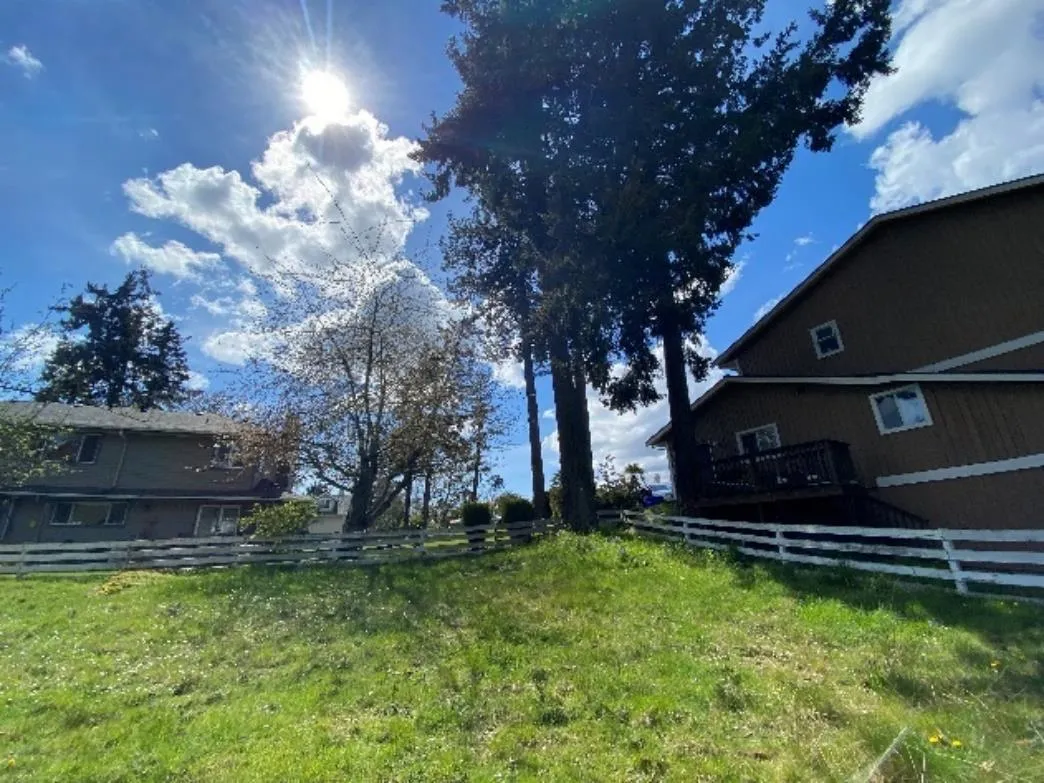
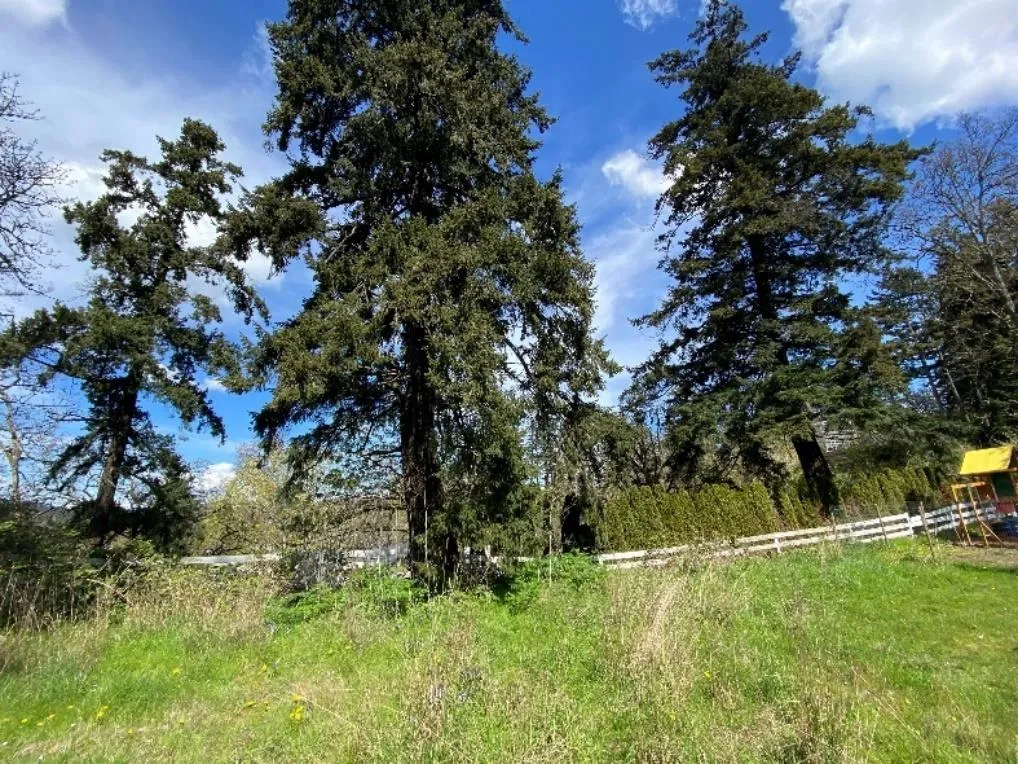
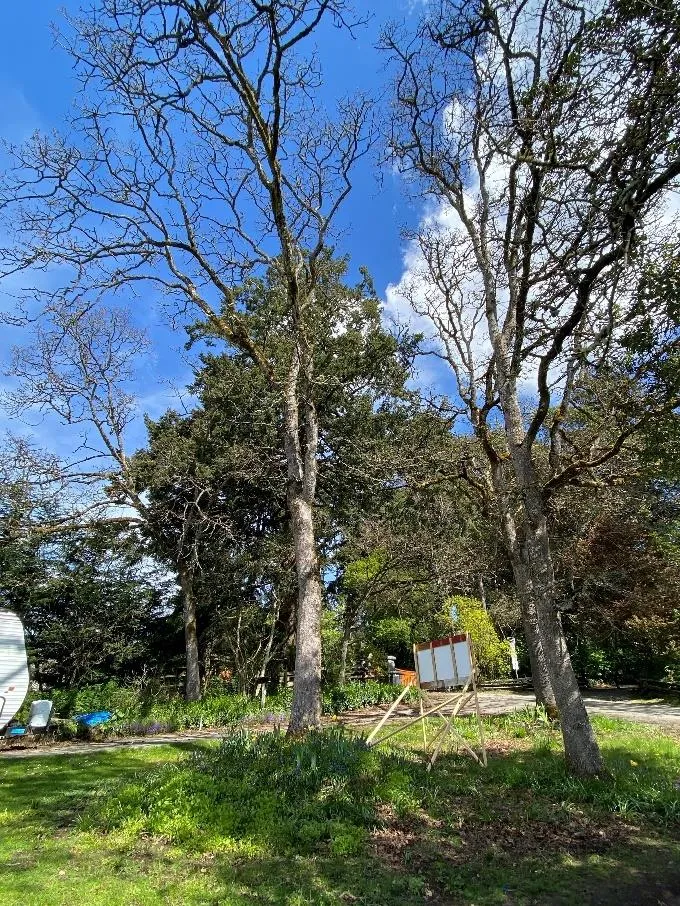
APPENDIX B - PHOTOGRAPHS
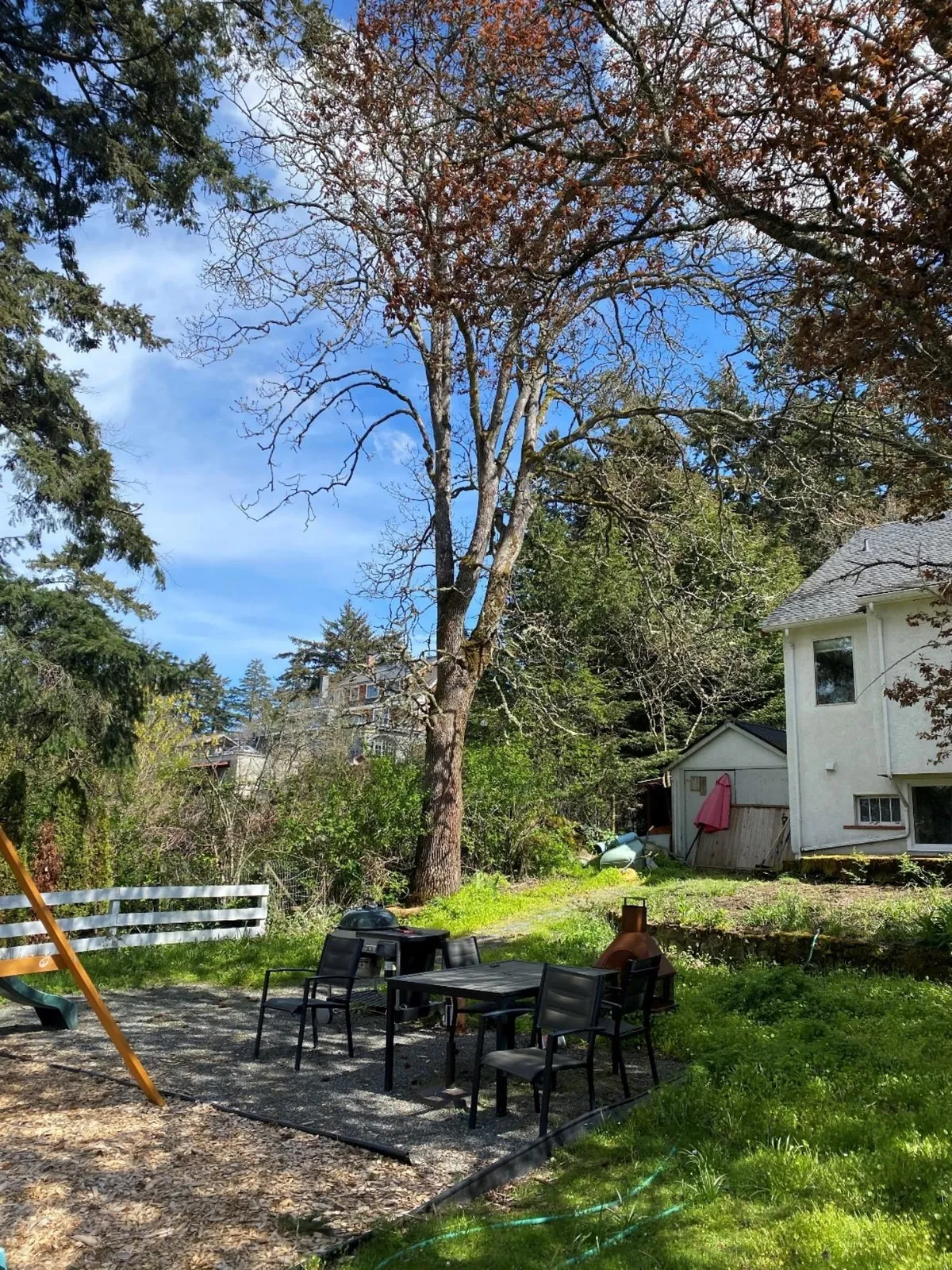
APPENDIX C – DETAILS FOR PAVING OVER ROOTS
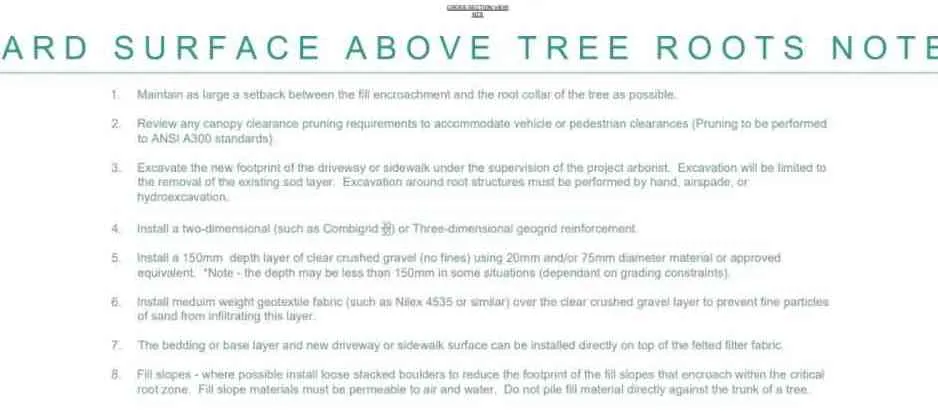
HARD SURFACE ABOVE TREE ROOTS DETAIL
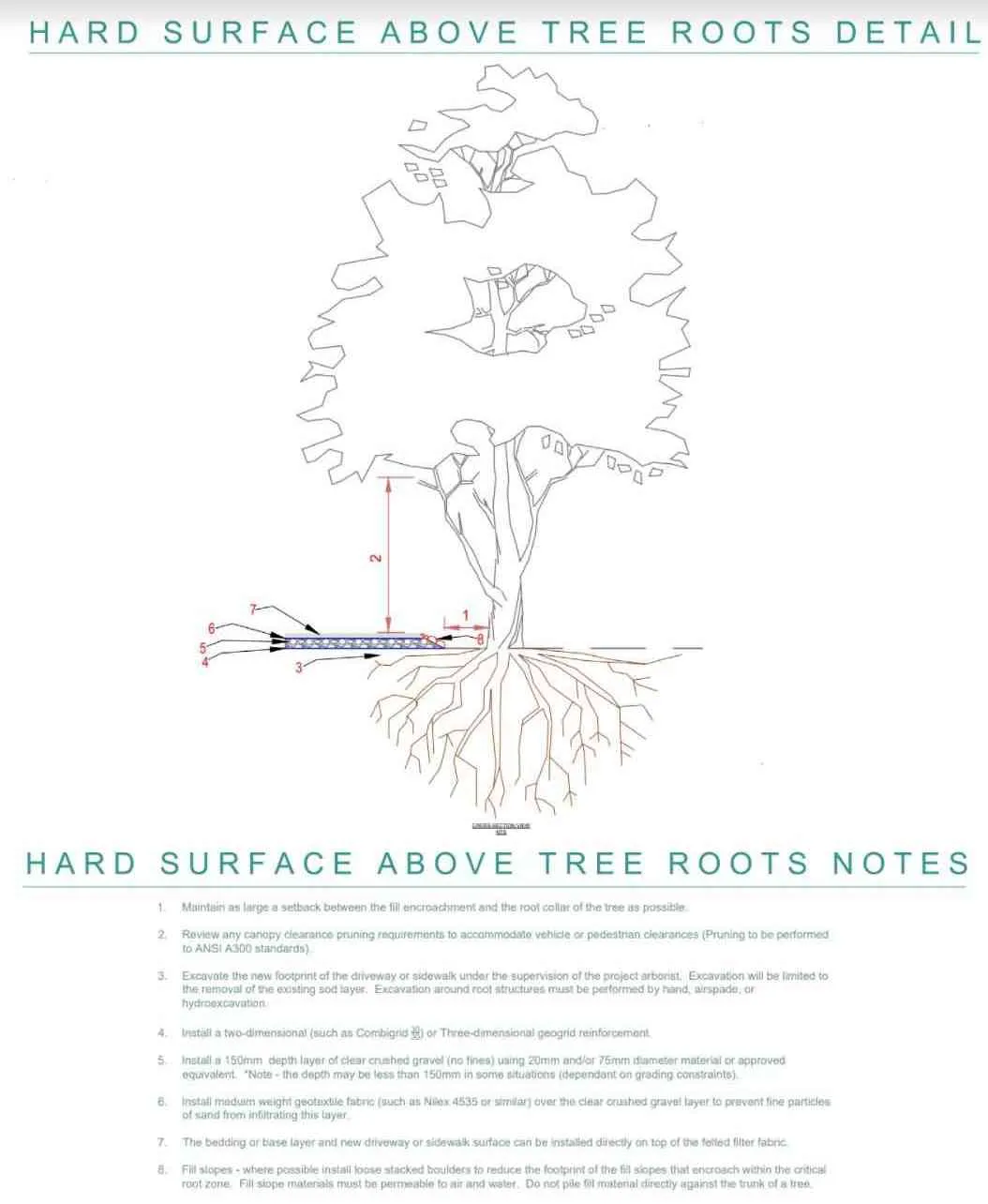
- Maintain as large a setback as possible between fill encroachment and the root cellar of the tree as possible.
- Review any canopy clearance pruning requirements to accommodate vehicle or pedestrian clearances (pruning to be performed to ANSI A300 standards)
- Excavate the new footprint of the driveway or sidewalk under the supervision of the project arborist. Excavation will be limited to the removal of the existing sod layers. Excavation around root structures must be performed by hand, airspace, or hydroexcavation.
- Install a two-dimensional (such as combi-grid30/30) or three-dimensional geogrid reinforcement.
- Install a 150mm depth layer of clear crushed gravel (no files) using 20mm and/or 75mm diameter material or approved equivalent. *Note: depth may be less that 150mm in some situations (dependant on grading constraints)
- Install medium weight geotextile fabric (such as Nilex 4535 or similar) over the clear crushed gravel layer to prevent fine particles of sand infiltrating this layer.
- The bedding or base layer and new driveway or sidewalk surface can be installed directly on top of the felted filter fabric.
- Fill slopes – where possible, install loose-stacked boulders to reduce footprint of fill slopes that encroach within the critical root zone. Fill slope materials must be permeable to air and water. Do not pile fill material directly against tree trunk.