West Shore RCMP 2018 Annual Year End Report
An annual comprehensive report from the West Shore RCMP detachment detailing crime statistics, operational highlights, and strategic policing priorities for the 2018 year.
West Shore RCMP 2018 Annual Year End Report
MESSAGE FROM THE OFFICER IN CHARGE
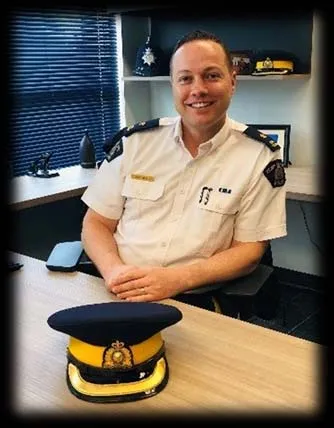
The West Shore RCMP welcomed a new leader last year. In August 2018, Inspector Todd Preston was commissioned as the Officer in Charge of the West Shore Detachment.
Insp. Preston has 21 years of policing experience and the West Shore Detachment is his 9th posting with the RCMP. Insp. Preston comes from a family tradition of policing; his father, a retired Staff Sergeant with the RCMP and his two brothers also serve as police officers.
Message from the Officer in Charge:
“I am very excited to be a part of the West Shore Detachment. Coming from a family heavily entrenched in serving Canadians through policing, I understand the dynamic role that the police play within the community. I believe in progressive policing and leadership.

Community input is key to developing the best policing strategy. To that end, community engagement is a priority for us here at the West Shore detachment. I want community members to feel comfortable in approaching the police to share their concerns. Being out there and being visible is the first step to achieving this. You may see our officers parked in various communities following up on their investigations or engaging with community members.
As we continue to build relationships with the community leaders, whether it be Mayor and Council or Chief and Councillors, it is important to have open dialogue so that we can work together to keep our community safe. Treating everyone with dignity and respect is key in being able to provide equal service to all all communities in the West Shore.
The West Shore area is the fastest growing community on Vancouver Island and emergency services like the RCMP need to be a part of this growth. We must be forward thinking and anticipate the needs of the communities we serve. I am continually examining our policing resources. As the community grows, so will the detachment. A part of my job is to ensure that we have ample resources for police officers and support staff as well as the internal infrastructure required to house them.
The management team at the West Shore RCMP detachment is committed to ensuring that our officers are meeting the needs of the public we serve and to do that, we have examined what changes we can implement. Some of the recent changes at the West Shore detachment include renovating the building to better suit the needs of the employees which will help to ensure that officers and staff have what they need to perform and excel at their jobs.
The demands of being a police officer undoubtedly affects one both personally and professionally. We recognize this and are looking at how we can foster an internal environment where our officers can take some time to de-stress while on duty. Very soon, we will be introducing a mental health room; a dedicated space within the detachment where an officer or support staff member can go and take some time to reflect on your experience and access information regarding emotional and psychological support services offered by the RCMP. Mental health does not discriminate. It is imperative for our employees to know that we respect and understand this and that they are not alone.
I am proud of the hardworking employees of the West Shore RCMP. I look forward to leading this detachment in the years to come.”
Sincerely,
Insp. Todd Preston Officer in Charge West Shore RCMP
TABLE OF CONTENTS
MESSAGE FROM THE OFFICER IN CHARGE ................................................................................................................. 1 TABLE OF CONTENTS .......................................................................................................................................................... 3 WEST SHORE RCMP ............................................................................................................................................................. 4 STATISTICS ............................................................................................................................................................................. 5 STRATEGIC POLICING PRIORITIES – ANNUAL PERFORMANCE PLAN ............................................................. 14 GREATER VICTORIA POLICE VICTIM SERVICES (GVPVS) – WWW.GVPVS.ORG ............................................ 22 PROLIFIC OFFENDER MANAGEMENT PROGRAM (POM) ...................................................................................... 23 SOCIAL MEDIA ..................................................................................................................................................................... 24 STATS & FACTS ................................................................................................................................................................... 25
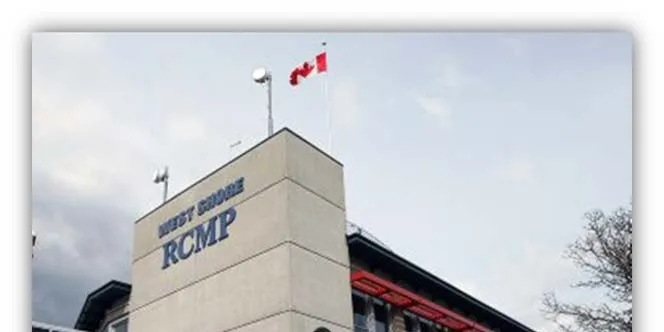
WEST SHORE RCMP
RCMP & WEST SHORE COMMUNITIES
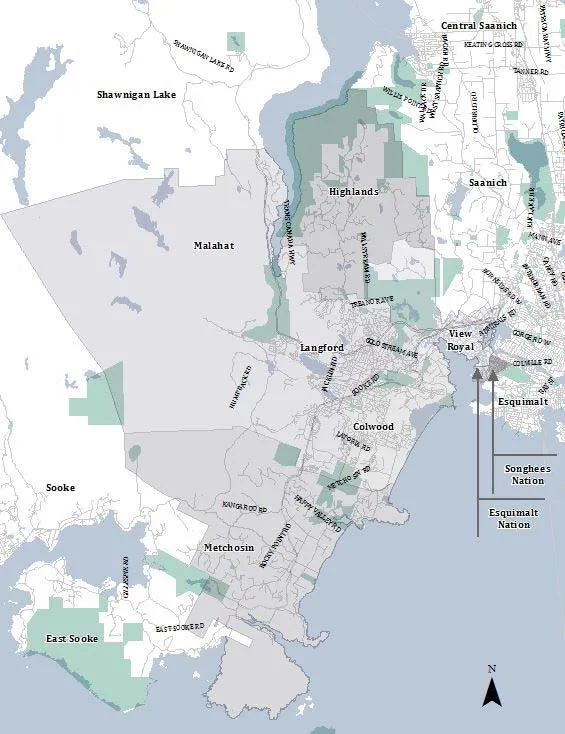
West Shore RCMP proudly serves approximately 78,000¹ citizens and is the fastest growing region on the South Island. West Shore RCMP report to five municipalities including the Cities of Langford and Colwood, the Town of View Royal and the Districts of Metchosin and Highlands. West Shore RCMP also serves the Songhees and Esquimalt Nations and portions of the Malahat. West Shore RCMP police rural and suburban residential neighborhoods, commercial & industrial zones, recreational waterfront areas, provincial parks and the Trans-Canada Highway.
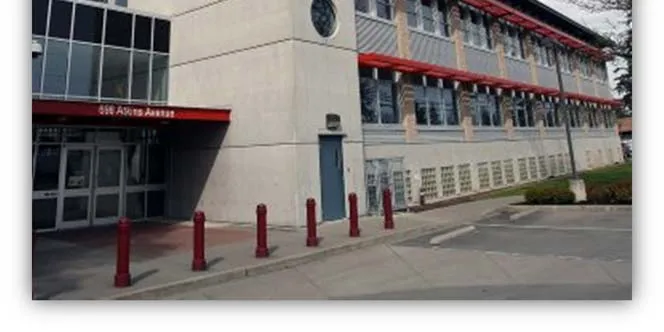
Eighty-five sworn officers, one civilian member, and thirty-three civilian personnel staffed West Shore RCMP in 2018. Together they handled 20,889 Calls for Service (CFS), an average of 57 calls per day.
West Shore RCMP also supports and works in conjunction with the Vancouver Island Integrated Major Crime Unit (VIIMCU), Forensic Identification Services (FIS), the Regional Domestic Violence Unit (RDVU), the Integrated Mobile Crisis Response Team (IMCRT) and the Mobile Youth Services Team (MYST). West Shore detachment supports the aforementioned integrated units through the secondment of Detachment personnel on a full time or rotational basis and through financial contributions towards their budgets. Presently, West Shore Detachment provides 2 officers to VIIMCU, 1 officer to RDVU and 1 officer to FIS (Table 1). In addition, West Shore Detachment provides 5 officers to the Vancouver Island RCMP Tactical Team (VITT), 2 officers as Crisis Negotiators, and 1 officer to the Vancouver Island RCMP Emergency Response Team (ERT). We also have 1 officer dedicated to Police Dog Service (PDS) and the Criminal Drug Interdictions dog (a dog used to intercept drug trafficking in vehicles) based at West Shore and also providing service to Shawnigan Lake and Duncan RCMP detachments.
Table 1 - Secondments
| # MEMBERS | UNIT |
|---|---|
| 2 | VIIMCU |
| 1 | RDVU |
| 1 | FIS |
West Shore RCMP works with & receives support from other Provincial Units and RCMP sections including the Integrated Road Safety Unit (IRSU), RCMP Air Services, RCMP Explosive Disposal Unit (EDU), Combined Forces Special Enforcement Unit (CFSEU), RCMP Emergency Response Team (ERT), Vancouver Island Underwater Recovery Team (URT), RCMP Special I and Federal Serious and Organized Crime (FSOC) teams, E Division Communications and E Division Traffic Services.
STATISTICS
TOTAL CALLS FOR SERVICE
Table 2 depicts the total calls for service in each West Shore municipality, district & First Nations Reserve (FNR) for 2017 & 2018, along with the file count (+/-) & percent change.
Table 2 - 2017/2018 Calls For Service Comparative Figures
| 2017 | 2018 | FILE COUNT (+/-) | % CHANGE | |
|---|---|---|---|---|
| Colwood | 3495 | 3718 | 223 | 6% |
| Esquimalt Nation | 91 | 124 | 33 | 36% |
| Highlands | 346 | 409 | 63 | 18% |
| Langford | 10753 | 11482 | 729 | 7% |
| Malahat | 184 | 183 | -1 | -1% |
| Metchosin | 956 | 1044 | 88 | 9% |
| Songhees Nation | 516 | 528 | 12 | 2% |
| View Royal | 3232 | 3214 | -18 | -1% |
| West Shore Total | 19755 | 20889 | 1134 | 6% |
West Shore’s 2018 calls for service increased by 6% compared to 2017. Colwood, Esquimalt Nations, Highlands, Langford, Metchosin, and Songhees Nation saw increases in the number of calls for service. Malahat area² and View Royal saw decreases in calls for service.
CALLS FOR SERVICE & POPULATION
Table 3 depicts the calls for service per 1000 persons and the percentage of calls per service per population for the municipalities, provincial areas and all West Shore.
Table 3 - CFS Per 1000 Population & Percentage of Population
| 2018 CFS | 2018 POPULATION | 2018 CFS / 1000 POP | % CFS / POP | |
|---|---|---|---|---|
| Colwood | 3718 | 18,262 | 204 | 20% |
| Langford | 11482 | 39,882 | 288 | 29% |
| View Royal | 3214 | 10,455 | 307 | 31% |
| West Shore Provincial | 2288 | 9,613 | 238 | 24% |
| All West Shore Jurisdiction | 20889 | 78,211 | 267 | 27% |
View Royal had the highest number of calls per 1000 persons (307 calls per 1000 person) and as a percentage of the population followed by Langford, West Shore Provincial and Colwood.
CALLS FOR SERVICE – TOP 5
Some calls for service are more prevalent than other types and some calls tend to require more time and resources from initial response to conclusion.

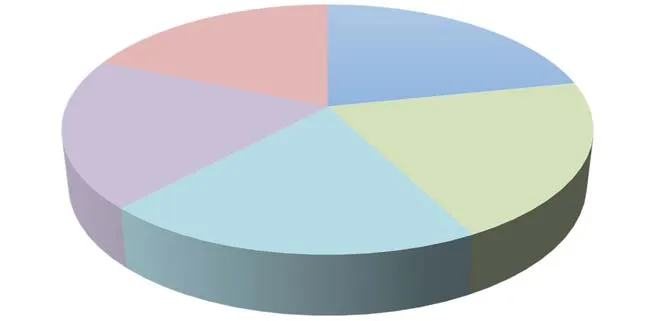
Figure 1 illustrates the Top 5 calls for service in 2018. Traffic incidents were the most prevalent calls followed by Assist Police/Fire/Ambulance calls, Property Related offences, Thefts and Alarms. Traffic incidents include, but are not limited to, driving complaints, insurance violations, seatbelts, speeding, erratic/dangerous driving and road rage reports.
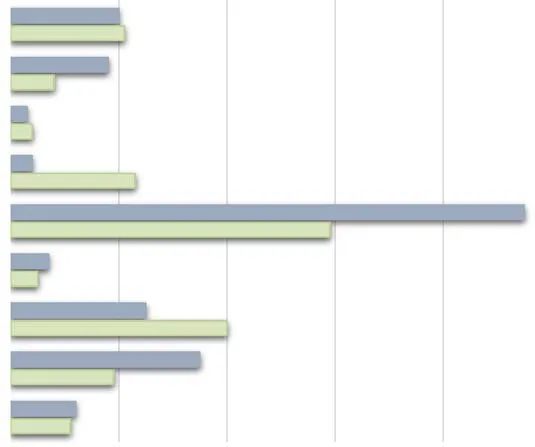
Figure 2 depicts the most time consuming calls in 2018 were Disturbances, Assist Police / Fire / Ambulance, Check Wellbeing, Suicidal Persons and Domestic in Progress.
CRIMINAL CODE OFFENCES – UCR CATEGORIES
West Shore RCMP respond to a vast array of calls for service, including Criminal Code & non-Criminal Code incidents. In order to categorize the calls, the Uniform Crime Reporting Survey (UCRS) serves as a guide. Each UCR category includes specific codes based on the offence or violation type. Calls for service are coded (scored) based on the type of call and subsequent investigation. There are eight UCR categories: Crimes Against Persons, Offences Against Property, Other Criminal Code (Other CC) Violations, Controlled Drugs & Substances Act (CDSA) Violations, Other Federal Statute Violations, Provincial Statistics Codes, RCMP Statistics Codes and Traffic Violations.
Table 4 – Uniform Crime Reporting Survey Categories
| UCR CATEGORY | 2017 ACTUAL | 2018 ACTUAL | FILE COUNT (+/-) | % CHANGE |
|---|---|---|---|---|
| Crimes Against Persons | 533 | 617 | 84 | 16% |
| Offences Against Property | 1977 | 2388 | 411 | 21% |
| Other Criminal Code Violations | 620 | 755 | 135 | 22% |
| Controlled Drugs & Substances Act Violations | 218 | 210 | -8 | -4% |
| Other Federal Statute Violations | 28 | 19 | -9 | -32% |
| Provincial Statistics Codes | 300 | 331 | 31 | 10% |
| RCMP Statistics Codes | 9132 | 9450 | 318 | 3% |
| Traffic Violations | 371 | 416 | 45 | 12% |
TOP 5 CRIMINAL CODE OFFENCES – CRIMES AGAINST PERSONS
There were 617 Crimes Against Persons in 2018 compared to 533 offences in 2017, representing a 16% increase (+84 files). Of the 617 offences, Assaults accounted for the highest incidence of offences followed by Uttering Threats, Harassing Communications, Assault with Weapon and Criminal Harassment (Figure 3).
TOP 5 CRIMINAL CODE OFFENCES – OFFENCES AGAINST PROPERTY
Offences Against Property comprise the highest incidence of Criminal Code Offences in West Shore. There was a 21% (+411 files) increase in property related offences in 2018 compared to 2017. Of the 2,388 incidents in 2018, Theft From Vehicle accounted for the highest incidence of offences, followed by Mischief, Shoplifting, Theft – Other and Fraud (Figure 4).
TOP 5 CRIMINAL CODE OFFENCES – OTHER CRIMINAL CODE VIOLATIONS
Other Criminal Code Violations (Other CC) consists of a variety of violations that do not fall under Crimes Against Persons or Offences Against Property. Other CC violations include, but are not limited to, Cause Disturbance, Breach of Probation, Fail to Appear and Obstruction.
Of the 755 Other CC violations in 2018, Cause Disturbance was the most prevalent violation, representing 38% (289 files) of actual calls for service. Breach/Bail Violations was the second highest violation followed by Breach Probation, Counterfeit Currency and Weapons Possession.
TOP 5 CRIMINAL CODE OFFENCES – CONTROLLED DRUGS & SUBSTANCES ACT VIOLATIONS
There were 210 CDSA Violations in 2018 compared to 218 violations in 2017, representing a -4% decrease. Figure 6 depicts the Top 5 CDSA Violations. Possession violations constituted the top 5 CDSA violations with Cannabis possession representing 30.48% of files, followed by Possession of Methamphetamine, Possession of Other Scheduled I Drugs/Substances, Possession of Cocaine and Possession of Heroin. Drug possession violations typically occur in conjunction with other offences (e.g. property crimes).
TRAFFIC STATISTICS
Traffic related calls represent the highest incidence of all calls for service in West Shore jurisdiction, accounting for 11% of calls in 2018.
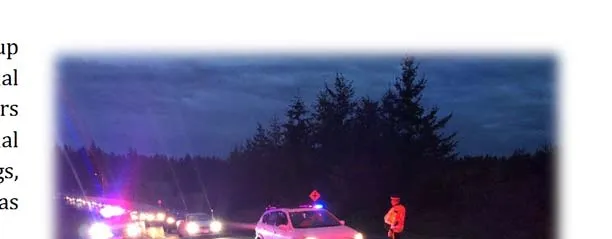
Table 5 - Collisions Comparative Figures
| 2017 | 2018 | % CHANGE | |
|---|---|---|---|
| FATAL | 1 | 2 | 100% |
| INJURY | 180 | 200 | 11% |
| NON-INJURY | 924 | 834 | -10% |
| TOTAL | 1105 | 1036 | -6% |
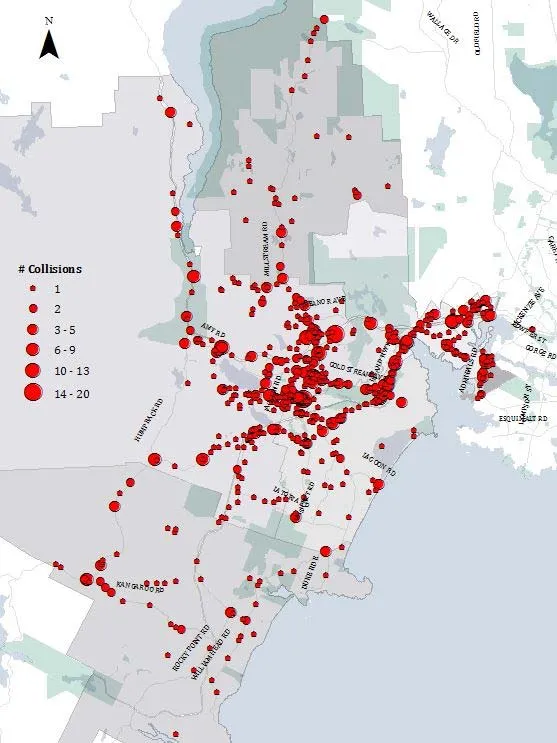
Table 5 shows a comparison of the types of motor vehicle collisions in 2017 and 2018. Fatal and injury collisions increased in 2018, up 100% and 11% respectively. Non-injury collisions decreased by 6% in 2018. Overall, there was a 6% decrease in motor vehicle collisions in 2018.
TOP 5 TRAFFIC VIOLATIONS
Figure 8 highlights the top 5 Traffic Violations in West Shore in 2018. Fail to Stop/Remain ranked highest at 46%, followed by Impaired Operations of a Motor Vehicle by Alcohol (23%), Drive While Disqualified/Suspended (13%), Drive Without Care/Consideration (10%) and Impaired Operation of a Motor Vehicle by Drug (3%).
OTHER STATISTICS: LICENSED PREMISES - CHECKS
The majority of bars and nightclubs are in downtown Victoria, however; West Shore hosts several establishments that are open late and are popular drinking locations. On average in 2018, officers conducted 75 bar walk-through’s. The majority of these walk-throughs were conducted at Darcy’s Pub.

MENTAL HEALTH ACT
West Shore RCMP often respond to calls where there is a mental health component. Under the Mental Health Act (MHA), police may apprehend individuals for their protection and for public safety. Individuals apprehended under the MHA are taken to Royal Jubilee Hospital in Victoria (adults only) or to the Victoria General Hospital (VGH) (youth only) for medical assistance. MHA apprehensions are time consuming as police officers are required to take individuals to a physician for examination.
An upward trend continues with calls for service have a mental health component (Figure 10). In 2018, there were 1,163 calls representing a 44% increase compared to 809 calls in 2017. These calls included suicidal persons and Mental Health Act apprehensions. In 2018, West Shore RCMP responded to 448 calls for service that were related to suicidal persons and officers spent 871 hours attending to these types of calls.

When making an apprehension under the Mental Health Act, the law requires a police officer to take an individual to a designated medical facility immediately for assessment by a medical doctor. Recently, West Shore RCMP in collaboration with Vancouver Island Health Authority (VIHA), captured data relating to “wait times” for medical staff to assess the patient at either Royal Jubilee Hospital or Victoria General Hospital.

Figure 11 depicts the average hospital wait times per apprehension for 2018. The average time per call indicates West Shore RCMP members spent approximately 1.76 hours per apprehension. Times do not factor in investigation time or transit time. There were 248 apprehensions in 2018.
OUR PLACE THERAPEUTIC RECOVERY COMMUNITY
Our Place Therapeutic Recovery Community, located at 94 Talcott Rd, View Royal, is a long-term treatment facility for men who are experiencing substance abuse issues. Therapeutic housing is available for 14 – 24 months. As of March 2018, the facility had 9 residents, six of whom are bound by court orders and must abide by a curfew.
Our Place is a secured facility. West Shore RCMP have liaised with the Director of the facility to discuss police protocol when attending calls for service. As of April 2019, the West Shore RCMP received 9 calls for service at the facility including 5 calls where residents left the facility even though they were on court ordered conditions to remain at the facility. This prompted West Shore RCMP to liaise with the Colwood Probation Office and open investigations into the residents breaching their conditions.
Our Place occupies what was formerly Choices Transitional Home. During the first ¾ of 2018, Choices was operating at this facility. From January 2018 to October 2018, the West Shore RCMP responded to 18 calls for service at Choices. Out of the 18 calls, there were no reports of residents breaching court orders. This discrepancy is likely due to different operating and reporting procedures by the new staff at Our Place Therapeutic Recovery Community.
STRATEGIC POLICING PRIORITIES – ANNUAL PERFORMANCE PLAN
ANNUAL PERFORMANCE PLAN (APP) 2018 - 2019
West Shore RCMP’s management team works closely with our five distinct detachment communities and First Nations Reserves to identify local policing priorities. Each RCMP Detachment in British Columbia is mandated to prepare an Annual Performance Plan that addresses local policing priorities. Through consultation with elected officials and senior staff, the West Shore RCMP APP focuses on the issues identified throughout the region. The APP is designed to be flexible to the changing needs of the communities and the priorities are continually revisited and adjusted accordingly.
The six key priorities identified for 2018-2019 fiscal year were Organized Crime and Drug Trafficking, Enhancing Road Safety, Community Engagement Through Education and Prevention Programs, Enhancing Relationships with Indigenous communities, Reducing Property Crime and Reducing Crimes Against Persons.
ORGANIZED CRIME & DRUG TRAFFICKING: REDUCING THE THREAT & IMPACT OF SERIOUS & ORGANIZED CRIME
HIGHLIGHTS
- Continuous intelligence gathering of organized crime groups by our frontline officers and specialized sections allows for intelligence-led policing strategies
- The use of undercover operations lead to identifying drug dealers in the West Shore
- Conducting proactive educational and awareness of organized crime groups to detachment members
- Our officers were continuously briefed on organized crime throughout the year enabling them to target offenders
- Identifying & arresting drug traffickers
- 11 drug trafficking charges laid in 2018
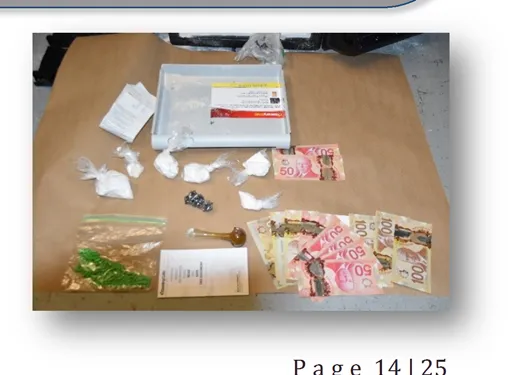
- Cocaine is the most prevalent drug seized. This is a change from 2017 where Marijuana was the top drug seized. Since the legalization of Cannabis we have seen a decrease in Marijuana seizures
TRAFFIC SAFETY: ENHANCE ROAD SAFETY & REDUCE SPEEDING
The West Shore Detachment currently operates a 3 person Traffic Services Unit. West Shore Traffic Services are engaged with detachment members by holding educational sessions focusing on training and proper application of the law and provincial statutes. Along with Traffic enforcement, the unit will investigate vehicle collisions resulting in fatalities.
HIGHLIGHTS
- In 2018, 9 West Shore officers received training for Standard Field Sobriety Testing. This increases our capacity to conduct drug impaired driving investigations.
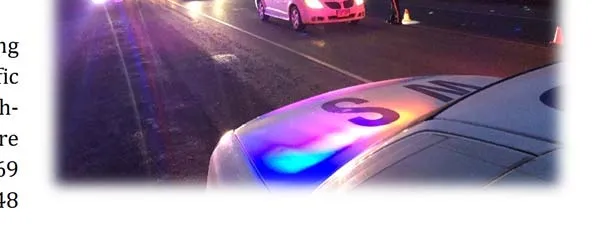
- Public awareness campaigns regarding impaired driving were implemented. This included media releases, radio interviews and road blocks which were set up to check for impaired drivers
- A monthly traffic enforcement campaign was launched in high-risk areas and school zones. 25 areas were targeted for traffic enforcement 2018
- Total number of Speeding tickets issued in 2017/2018 was 567 that number was raised to 673 speeding tickets issued in 2018/2019
ABORIGINAL POLICING – RELATIONSHIPS: ENHANCE RELATIONSHIPS WITH ABORIGINAL / INDIGENOUS COMMUNITIES
HIGHLIGHTS
- The West Shore RCMP has one dedicated First Nations Policing (FNP) officer
- The FNP officer’s role focuses on fostering relationships with the Indigenous peoples in the West Shore specifically the Songhees and Esquimalt Nations
- The number of monthly contact with the First Nations communities in the West Shore went from 96 in 2017 to 268 in 2018
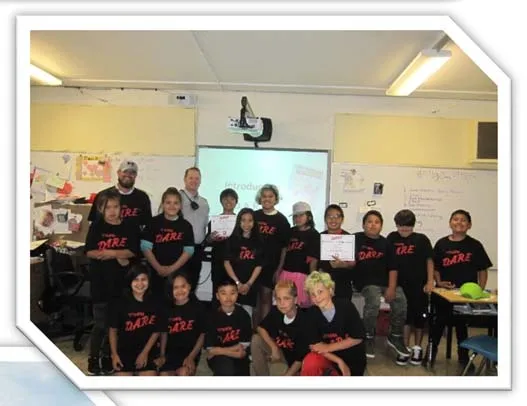
- In 2018 the FNP officer facilitated and participated in numerous community initiatives which focused on the youth in the First Nations communities including: 3 DARE classes, 3 day- youth canoe journey, educating youth on marine/cold water safety, Bike registry established at Songhees Nation, participated in the Nights Alive program connecting with youth and elders of the Indigenous Community
- Almost all of the Indigenous youth attend either Craigflower or Shoreline Middle Schools

PROPERTY – THEFT: REDUCE PROPERTY CRIMES
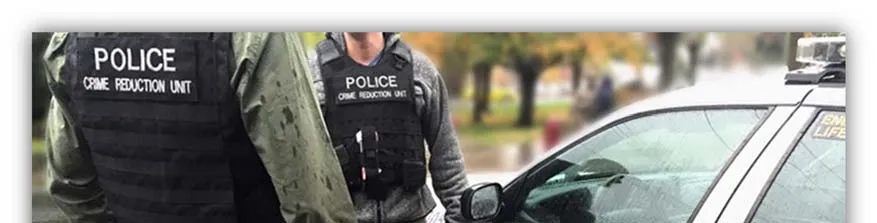
The Crime Reduction Unit proactively targets chronic property crime offenders and conducts warrant apprehensions on people with outstanding arrest warrants. CRU recognizes that chronic property crime offenders often use stolen property to fund their drug addictions. Therefore CRU, has focused on intelligence-led policing practices like recruiting confidential informants and surveillance to target drug dealers who accept stolen property as payment for drugs.
HIGHLIGHTS
- The Detachment Crime Reduction Unit (CRU) is made up of 5 constables, 1 Corporal which is overseen by the Sergeant in charge of Serious Crimes
- West Shore RCMP actively monitor individuals placed on court ordered curfew or house arrest. Frontline officers also take part in this by conducting routine curfew checks to ensure offenders compliance with court ordered conditions; a number of these checks have resulted in breach charges
- In 2018 the West Shore RCMP forwarded Breach charges on 312 people
- In December 2018 CRU partnered up with Bike Unit and Victoria Police Department to investigate a series of thefts from storage units in the West Shore and Victoria area. The operation was a success and resulted in the arrest of a suspect who was charged with break and enter
- CRU undertook two separate Undercover Operations in an attempt to recover stolen property posted to Used Victoria; these files are still under investigation
- Break & Enter into Businesses went from 39 in 2017 to 50 in 2018
- Auto thefts went from 131 in 2017 to 105 in 2018
- CRU also runs a “Bait” car program that targets auto thieves
- Targeted enforcement of prolific property crime offenders
BIKE PATROL UNIT
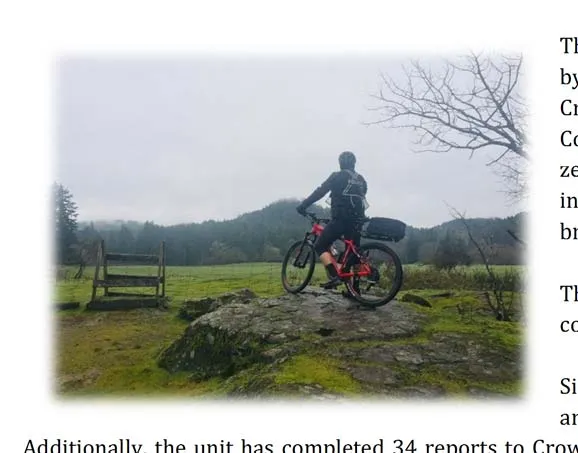
In July 2018 West Shore RCMP launched the Bike Patrol Unit (BPU) which is comprised of 4 police officers. Bicycle patrol enforcement limits the carbon footprint of police vehicles and these police officers are considered more approachable by the community than those in a vehicle. The Bike Patrol Unit is a uniformed, visible, enforcement presence that conducts year round bicycle patrol in areas not easily accessible by vehicle. This mode of transportation allows police officers to respond to situations quickly and quietly day or night. Police officers are able to utilize all their senses in detecting illegal activity.
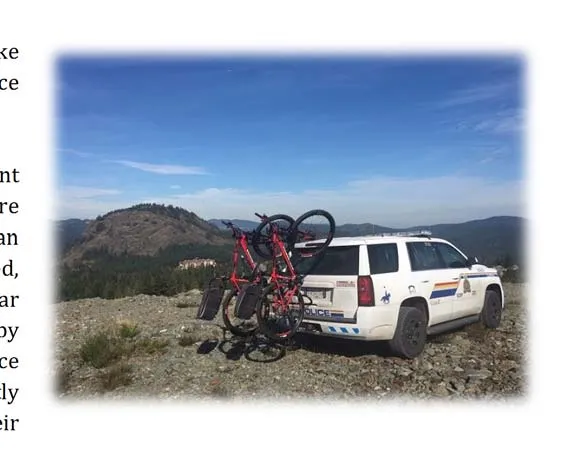
This unit has dedicated its resources to issues raised by the General Duty Watches, West Shore Serious Crime Unit, and the Crime Analyst or from the Community. The unit targets prolific offenders by zeroing in on property crime patterns (i.e. increasing their patrols in areas where vehicle break-ins are predominant).
The Ultimate goal is to ensure safe homes and communities and reduce crime in the West Shore. Since the Bike Patrol Unit came into effect, they have arrested 50 people with outstanding warrants. Additionally, the unit has completed 34 reports to Crown Counsel recommending charges for individuals also arrested by the unit for criminal offences taking place in the West Shore.
POLICE / COMMUNITY RELATIONS: VISIBILITY OF POLICE & COMMUNITY ENGAGEMENT
HIGHLIGHTS
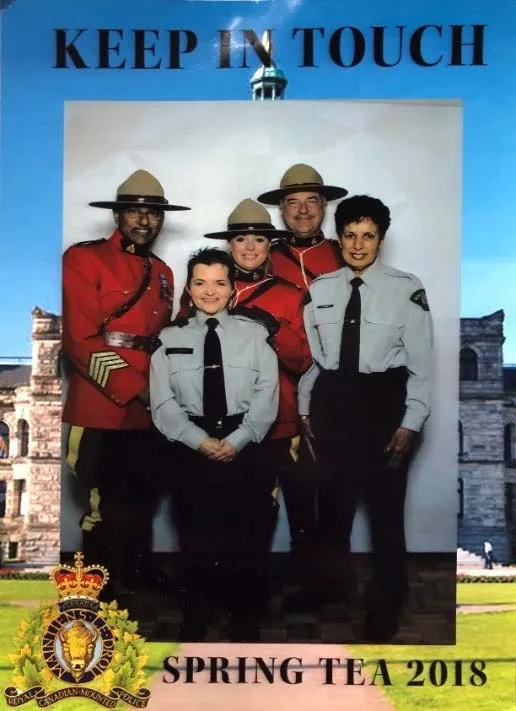
- Community Policing Services (CPS) focused on visibility with programs of education and prevention throughout the year including DARE, preventing Bullying, Millstream Easter Egg hunt, “Cram the Cruiser” (for food bank donations) & Girl Guide walk and talk with police
- CPS also runs the Auxiliary Constable program and hosts a number of community volunteers who dedicate their time to programs such as Speed Watch & Keeping In Touch (outreach to the elderly in our community)
- CPS has been heavily involved in attending both Royal Bay and Belmont High Schools and liaising with students and teachers at elementary schools in the West Shore. On average, at least one school in the West Shore is visited per school day
- Several school talks were given to students in high school regarding Canadian law and policing
- In summer 2018, CPS implemented foot patrols in high visibility areas
DOMESTIC VIOLENCE: REDUCE CRIMES AGAINST PERSONS
HIGHLIGHTS
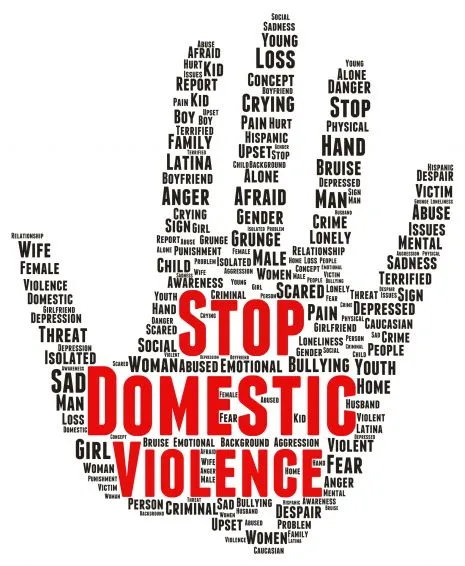
- Our detachment Media Relations Officer (MRO) promoted educational campaigns aimed at creating awareness and providing information on violence in relationships.
- The MRO met with Victim Services personnel and developed an educational campaign for domestic violence
- The educational campaign was a week-long event with several "tweets" that highlighted contact information for victims of domestic violence. One of the topics highlighted was violence against men.
- We increased our officers training on best practices when it comes to investigating instances of violence in relationships.
- The West Shore RCMP also undertook a quality assurance review of these types of investigations to ensure our officers were complying with best practices and referring victim’s to Victim Services.
- West Shore RCMP has one dedicated Regional Domestic Violence Unit investigator.
ANNUAL PERFORMANCE PLAN (APP) 2019-2020
In consultation with our distinct communities and First Nations partners, West Shore RCMP’s management team has identified local priorities for 2019-2020 fiscal year. To address local policing issues the 5 key priorities are Organized Crime, Traffic Safety, Police/Community Relations Visibility and Preventative Measures and Property Crimes.
Organized Crime – Drug Trafficking Objective: Prevent and Reduce the threat and impact of serious and Organized Crime
- Specialized Units will make frontline officers aware of Organized Crime Activity and meet with Law Enforcement partners to increase intelligence gathering.
- Detachment Members to:
- Gather intelligence of OMG members in our community;
- Goals to increase enforcement through anti-drug trafficking projects and source development.
Traffic Safety Objective: Enhance Road Safety – Reduce Speeding General Duty and Traffic Unit to:
- Engage in monthly enforcement campaigns of speeding in high risk areas including school zones;
- Goals to increase enforcement of distracted driving.
Police/Community Relations – Visibility of Police Objective: Community engagement through programs of education and prevention Bike Patrol Unit and Community Policing to:
- Attend public events focussing on education;
- Educate officers on the Restorative Justice program and increase referrals to it;
- Goals to increase police visibility and public confidence.
Enhance Relationships With Aboriginal/Indigenous Communities First Nations Policing (FNP) and Detachment Members to:
- Promote and participate in programs and initiatives focussed on community youth;
- Participate in cultural events and develop cross cultural awareness and training opportunities;
- Goals to continue relationship building with Indigenous communities.
Property Crimes - Thefts Objective: Reduce property Crimes Detachment Members to:
- Conduct prolific offender management to identify and target prolific offenders and share intelligence;
- Perform regular curfew checks on criminals with an outstanding court ordered conditions living in the West Shore area;
- Goals to reduce break and enters to businesses by 10% and theft from motor vehicles by 10%.
GREATER VICTORIA POLICE VICTIM SERVICES (GVPVS) – WWW.GVPVS.ORG
Victim Services is a volunteer based program that works with police to assist people that have been impacted by crime and trauma. Their vision is to help victims achieve a state of well-being and assist in their recovery. They provide services to victims of crime or trauma who may or may not have reported the crime to police or be involved with the criminal justice system. Their clients can include children as well as adults.
Victim services:
- Provide emotional and practical support;
- Make referrals to government and private services;
- Devise safety plans;
- Assist with Crime Victim Assistance applications;
- Assist with Victim Impact Statements;
- Provide information about the court and criminal justice systems;
- Accompany victims to court;
- Provide education on victim rights and services.
CASES REFERRED BY POLICE DEPARTMENT FOR FISCAL YEAR 2018/2019
| Cases Referred by Police Department | |
|---|---|
| Saanich | 194 |
| Sidney/North Saanich | 64 |
| Victoria | 94 |
| West Shore | 431 |
| Oak Bay | 21 |
| Central Saanich | 20 |
| CFB Esquimalt | 12 |
| Other | 8 |
| Totals | 844 |
DID YOU KNOW In 2018, West Shore RCMP received 763 False Abandoned 911 calls and 892 False Alarm calls. Each call required follow up and in many case, a police visit.
PROLIFIC OFFENDER MANAGEMENT PROGRAM (POM)
West Shore RCMP participates in the Prolific Offender Management Program in conjunction with Municipal Police Agencies, Corrections, Probation, Crown and various Social Agencies throughout the Southern Island Region. The POM program was created due to the emerging consensus that a small proportion of offenders commits a disproportionate percentage of crime; particularly property crime. POM emphasizes inter-agency collaboration as a means to effectively target these individuals, reduce reoffending and increase community safety.
Of the thirteen Prolific Offenders in the Greater Victoria Region, West Shore managed 7 offenders in 2018. During 2018, all 7 offenders were in custody; 1 offender was incarcerated for more than six months of the year, 5 were in and out of custody throughout the year and one offender ceased offending. Presently, West Shore monitors 5 offenders; all are currently in the community. It is notable that when these offenders are incarcerated, property crimes such as break & enters, auto thefts and thefts from motor vehicles decrease dramatically.

SOCIAL MEDIA
WEBSITE
West Shore RCMP website was recently updated to reflect the new appointment of Inspector Todd Preston. The website contains information pertaining to some of the most commonly asked questions including Police Information Checks, contact information, volunteer and other programs and the various services West Shore RCMP Detachment offers. The public is able to view emerging West Shore RCMP news releases and there is a direct link to Crime Stoppers.
Since February 2015, West Shore RCMP has been actively engaging the communities on social media via Twitter (@WestshoreRCMP). The West Shore RCMP’s Twitter account has the “blue verified badge”, meaning that Twitter reviewed the account and verified that it is an authentic account of public interest.
Some examples of West Shore RCMP’s Twitter activity show we consistently reach over 6000 profiles and have over 90,000 tweet impressions every month. That’s a drastic increase from 2017 where we were reaching 2500 profiles and 50,000 tweet impressions. We are reaching not only local community members of the Victoria but also national users.
STATS & FACTS
The West Shore RCMP Annual Report provides an overview of various statistics & policing in West Shore & is not comprehensive. The statistics presented in this report were retrieved from RCMP E Division Business Intelligence and the British Columbia Police Records Information Environment (PRIME) & are accurate on the retrieval date. All data is preliminary and is subject to change based on investigational factors and data quality processes. In cases of discrepancy with previous/subsequent data, the most current data will take precedence. Data collection utilized “most serious offence” scoring consistent with Statistics Canada and the British Columbia Ministry of Justice (Police Services Division (PSD)) data collection practices. Police Services Division provides population data. Collision data is not complete as it only includes files where police attended and not all collisions reported to the Insurance Corporation of British Columbia (ICBC). Impaired Operation denotes impaired by alcohol &/or drugs.
Document Images
(5)