Presentation
Proposed Strategies and Actions - Solid Waste Management Plan
November 12, 2019Pages 16–214 sections
A presentation outlining 15 strategies for the Capital Regional District's Solid Waste Management Plan, focusing on reduce, reuse, and recycle initiatives.
Strategy #11: Increase organics diversion and processing capacity at Hartland LandfillStrategy #15: Enhance Hartland disposal capacity until 2100
Proposed Strategies and Actions
Page 16–21
Reduce and Reuse Strategies
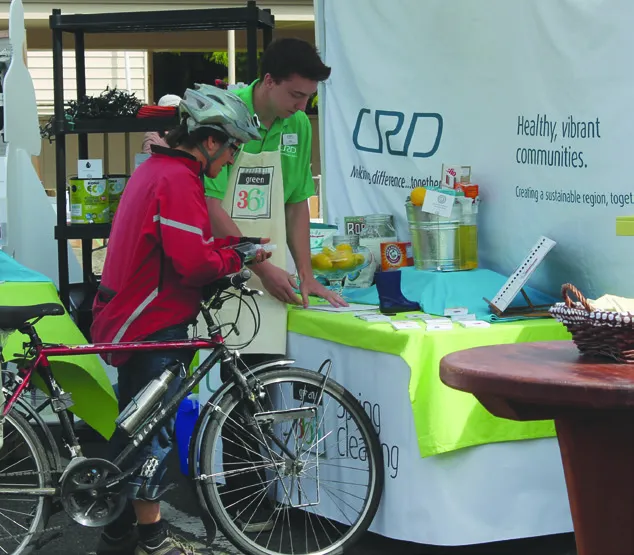
STRATEGY #1: Continue and enhance education programs
- Ensure ongoing, up-to-date promotion and education resources to enable effective participation in CRD programs and initiatives
- Incorporate behaviour change components wherever possible (e.g., community-based social marketing); using a variety of education and communication strategies and tools, including digital marketing tools (e.g., social media)
- Expand education programs to multi-family and ICI (industrial, commercial and institutional) sector
- Enhance K-12 school program to include concepts of circular economy
- Collaborate with stakeholders on education campaigns, (e.g., local governments, product stewards)
- Continue supporting environmental stewardship recognition
- Continue to engage residents on solid waste matters; using the appropriate level of consultation
STRATEGY #2: Encourage waste prevention
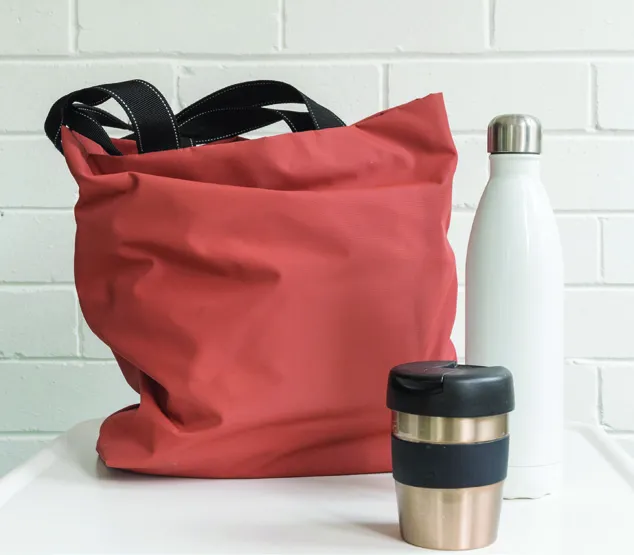
- Promote less consumption and advocate for consumer responsibility
- Establish a community-based waste reduction grant program (could include food waste prevention projects)
- Support single-use item reduction efforts
- Promote sustainable and/or packaging-free purchasing options
- Advocate provincially and federally to limit or eliminate the manufacturing, distribution or sale of single use items and non-recyclable materials
- Advocate provincially and federally for sustainable design (e.g., standardized packaging that is reusable, recyclable, or compostable)
STRATEGY #3: Support reduction of avoidable food waste
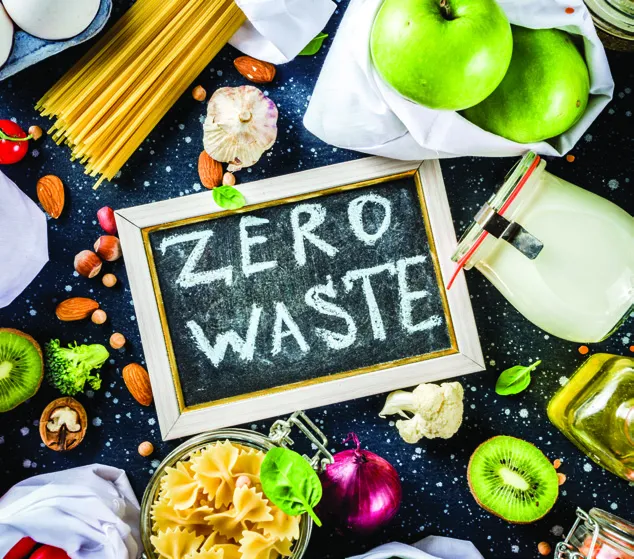
- Support residential food waste reduction, for example, by continuing “Love Food Hate Waste Canada” program
- Support food waste reduction from industrial, commercial and institutional facilities (e.g., encourage stores to donate edible food
- Continue to support food recovery organizations
- Advocate for regulation to clarify use-by versus best before dates and educate accordingly

STRATEGY #4: Support reuse activities in the region
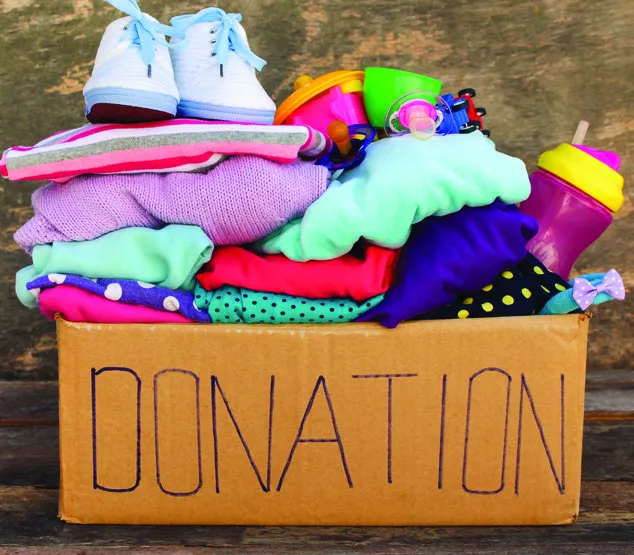
- Continue to provide funding to non-profits to help offset garbage tipping fees for unusable donated items
- Continue to support and promote donations to reuse establishments
- Support reuse, renting and sharing programs, such as tool libraries, repair cafes, and sewing hubs, and other materials exchange activities
- Investigate free store at Hartland Landfill or other facilities
STRATEGY #5: Support local governments in working towards zero waste and a circular economy
- Develop model language for bylaws, best practices, official community plans, and economic development strategies for use by local municipalities using research and collaboration to guide this process
- Work with local municipalities to identify the need for solid waste facilities and zoning for waste management activities
- Use policy tools to enable local recycling infrastructure
- Investigate “Pay-As-You-Throw” principles to use as tools to encourage less waste disposal
- Investigate use of clear bags for garbage or recyclables collection to encourage proper recycling of materials, where practicable and enforceable (e.g., at events)
STRATEGY #6: Continue and enhance policy development
- Develop model procurement policies for use by local governments, non-profits, etc.
- Continue to expand material bans when viable alternatives exist
- Investigate licensing waste management facilities in the region to encourage transparency, consistency, and a requirement that all facilities protect public health and the environment
- Investigate regulatory mechanisms to manage municipal solid waste and recyclable materials in the region
- Investigate options for debris from extreme weather (e.g., community chipping days or special burning allowances in electoral areas)
Page 16–21
Recycle Strategies
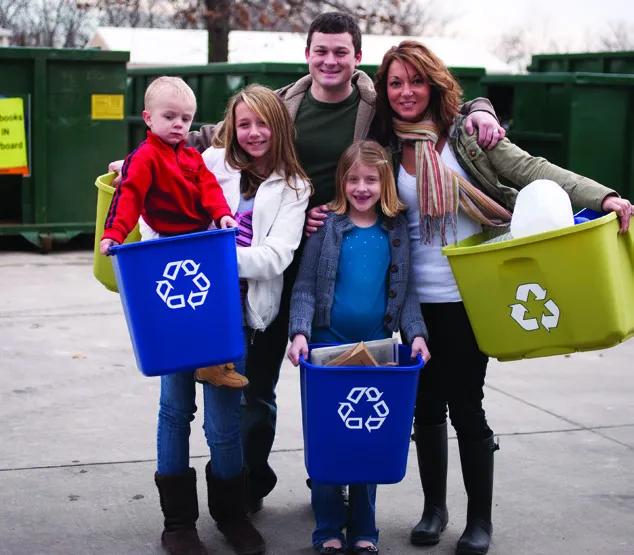
STRATEGY #7: Increase residential diversion
- Continue to promote diversion of recyclable materials (including organics), ensuring that education strives to minimize contamination in these streams
- Collaborate with municipal and private sector service providers to support depot diversion efforts in the region for non curbside materials
- Encourage local processing and markets for recyclables
- Develop tools, such as a guide, to support event recycling
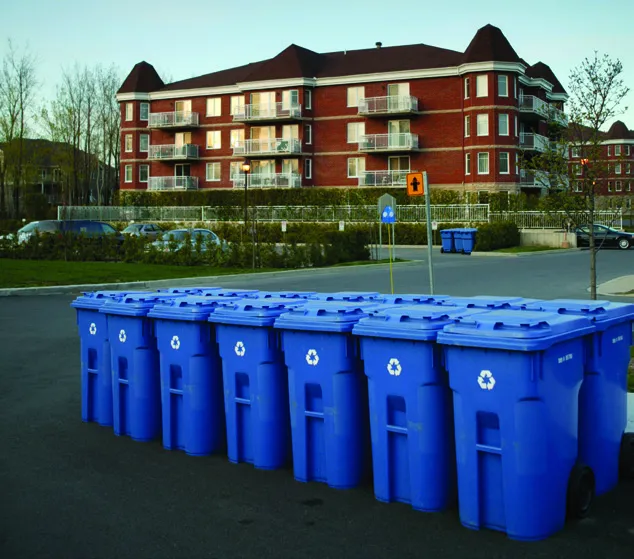
STRATEGY #8: Increase multi-family diversion
- Allocate resources to support multi-family recycling (e.g., by developing standardized education materials)
- Work with local governments and private sector service providers to develop waste source separation requirements
- Develop policy guide for recycling, composting and garbage space and access in multi-family developments
- Collaborate with stakeholders (e.g., private haulers or property managers) to implement support for recycling, such as a ”Train-the-Trainer” program
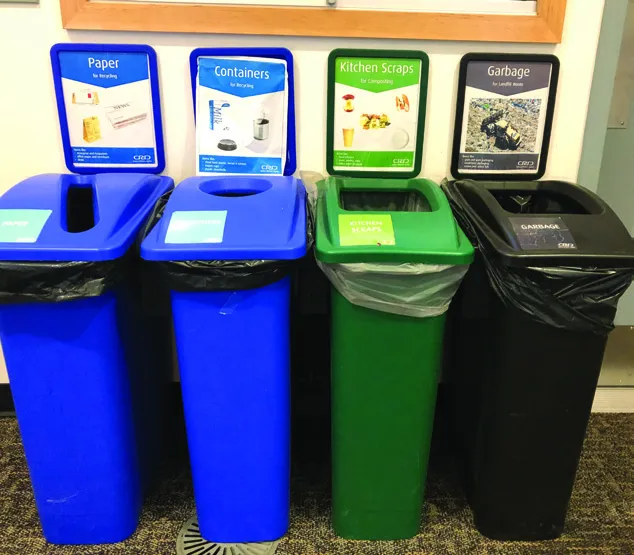
STRATEGY #9: Increase diversion from Industrial, Commercial and Institutional (ICI) Facilities
- Allocate resources to increase ICI diversion, for example, a business waste reduction liaison
- Advocate to expand the packaging and paper product Extended Producer Responsibility program to the ICI sector
- Create a business waste reduction toolkit, including education about how to apply circular economy principles
- Encourage municipalities to require waste management plans with business licences
- Develop policy guide for ICI space and access requirements
- Work with local governments and private sector service providers to develop ICI waste source separation requirements
- Investigate shifting disposal ban enforcement to generator, rather than hauler
STRATEGY #10: Support existing and new extended producer responsibility (EPR) programs
- Advocate to the Province to expand EPR programs Note: The Province is currently conducting an EPR gap analysis and considering adding new materials
- Collaborate with product stewardship agencies to increase consumer awareness about EPR programs
- Advocate the Province for increased return-to-retailer opportunities
- Advocate federally to standardize EPR programs across Canada
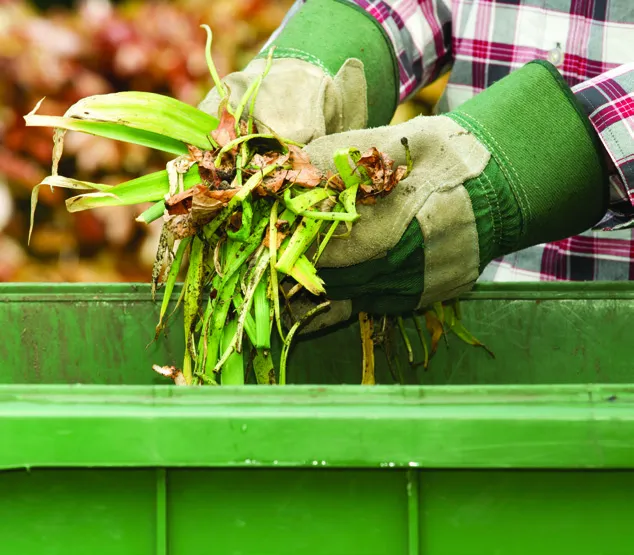
STRATEGY #11: Increase organics diversion and processing capacity
- Continue to promote organics waste diversion
- Investigate developing a resilient local organics processing infrastructure Note: The CRD is currently investigating developing a processing facility at Hartland Landfill
- Support compost markets by purchasing back finished compost materials
- Collaborate with service providers and users (e.g., local businesses) to develop guidelines for use of compostable products and packaging
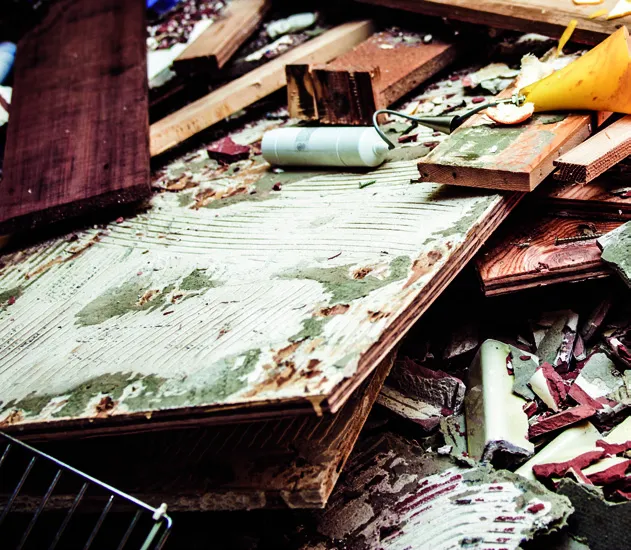
STRATEGY #12: Increase construction, renovation and demolition material diversion
- Develop a comprehensive strategy, including characterization of materials, best practices, and pilot projects
- Develop and disseminate educational tools to support material diversion, (e.g., create an industry toolkit, a deconstruction guide, and/or guidelines for diverting and utilizing reused materials)
- Promote green building standards
- Continue collaboration with local governments to develop and use policy tools (e.g., construction permits, building codes) to maximize diversion and to align management plans
- Investigate beneficial uses of waste, including a clean wood waste ban
- Investigate banning or surcharging mixed loads at the landfill to encourage source separation
- Further develop programs for managing hazardous materials like asbestos
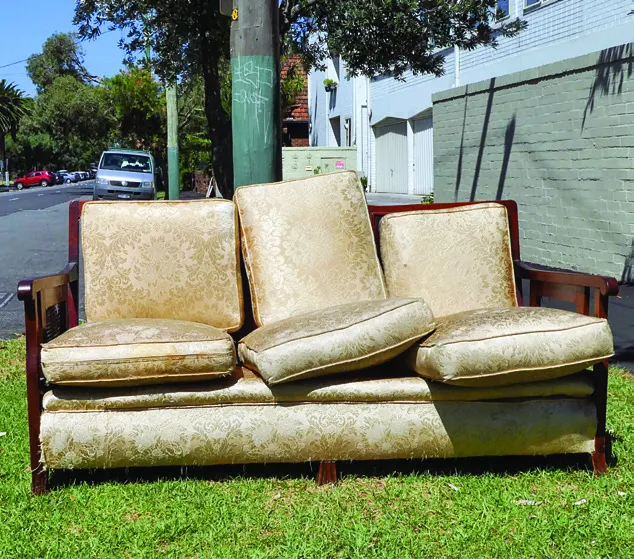
STRATEGY #13: Encourage proper public space waste management activities
- Develop educational materials to prevent and reduce litter and abandoned materials in our neighbourhoods and public spaces
- Continue promoting alternatives to abandoned materials and illegal dumping by educating about proper management and disposal
- Collaborate with stakeholders, including local governments and private sector facilities, to develop a regional approach to prevention of of illegal dumping
- Investigate developing regionally-aligned bylaws
- Develop and pilot methodologies to ”observe, record, and report” on abandoned materials and illegal dumping incidents throughout the CRD
- Investigate options for large bulky item disposal, (e.g., free drop-off days or large item pick-up days)
Page 16–21
Recovery and Residuals Management Strategies
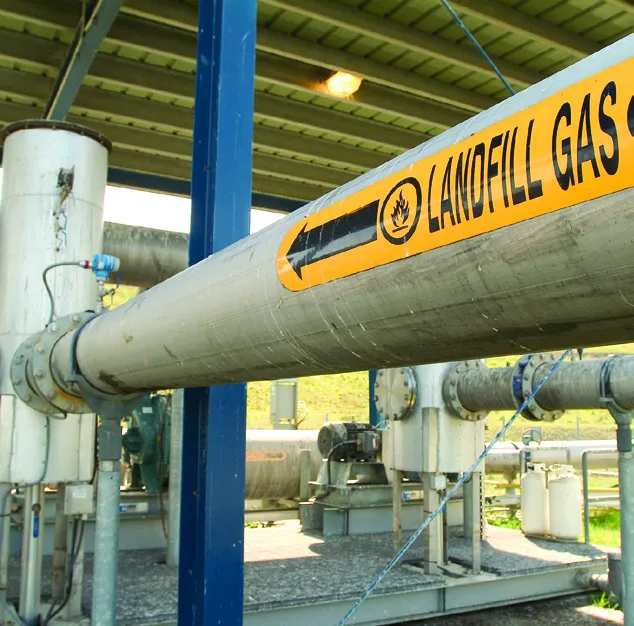
STRATEGY #14: Optimize landfill gas management
- Continue to capture landfill gas for beneficial use Note: The CRD is currently investigating landfill gas utilization options
- Investigate collaboration opportunities with educational institutions to research new beneficial uses and technologies
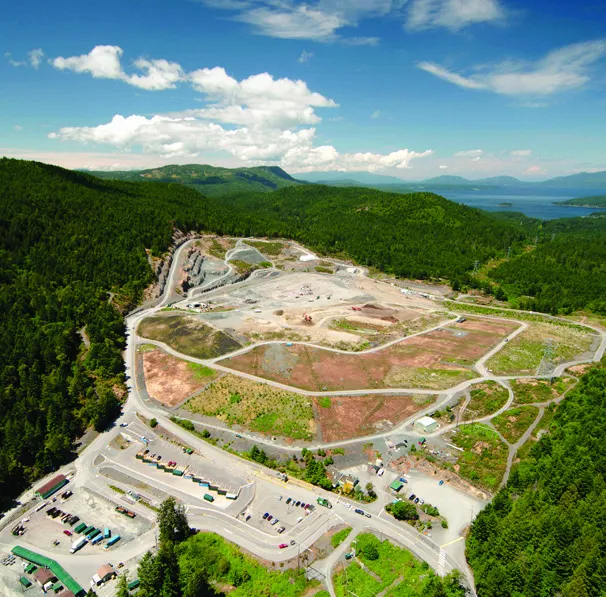
STRATEGY #15: Enhance Hartland disposal capacity
- Review ban enforcement levels, subject to recycling market conditions
- Continue to operate Hartland Landfill using best practices
- Develop design options to maximize disposal capacity until 2100 and beyond
- Continue to conduct research and investigate emerging technologies
Page 16–21
Extracted from: 2019 11 12 Committee of the Whole Agenda - Agenda - Pdf