Official Community Plan Bylaw No. 811, 2011, Amendment Bylaw No. 1163, 2026
A bylaw amendment to re-add Residential and Large Lot Residential Land Use Designations back into Land Use Policy 1.5 of the Official Community Plan.
Goal 4. View Royal protects its urban forest.
Strategy 4.1. Enhance regulatory tools and process are achieving the right balance between tree protection and community growth.
Large mature trees offer significant contributions to View Royal’s canopy cover and generate substantial community benefits. Given the decades it requires for new trees to achieve the size and stature of a mature tree, their retention is a critical element in the Town achieving its urban forest management goals.
View Royal can strengthen its urban forest by adopting tools that prioritize the protection of trees, native soils, and sensitive ecosystems throughout the development process. Policies that require careful site assessment, promote thoughtful design, and incentivize conservation can help preserve ecological function, support climate resilience, and ensure long-term community benefits. Clear standards and accountability measures also reinforce a culture of stewardship and responsible land use.
- Action 30. Establish a Wildfire Hazard Development Permit Area (DPA), including accompanying wildfire risk mapping as guided by View Royal’s Community Wildfire Resiliency Plan.
- Action 31. Require development proposals that would involve modification of an existing forest edge, or the creation of new forest edge, to be supported by a wind firm assessment prepared by a qualified professional.
- Action 32. Review the Town’s Natural Watercourse and Shoreline Areas DPA, as well as the Sensitive Terrestrial Ecosystem DPA to ensure mapping and associated requirements are aligned with the Town’s broader vision for its urban forest management and natural systems.
- Action 33. Develop a Terms of Reference for arborist reports and tree surveys, including specifying survey requirements and the conditions under which letters of assurance and/or arborist supervision will be imposed.
- Action 34. Formalize a process for bonusing (e.g., height, floor area) where trees, or native soils, are voluntarily protected through development, or where proposed site configuration will support greater tree planting than would be supported by meeting minimum requirements (e.g., landscaped area, expanded setbacks, lot coverage, etc.). Include policy supporting this bonusing in the Town’s OCP.
- Action 35. Update contract language to require hold-backs related to tree protection where private contractors are working around public trees during capital projects.
- Action 36. Review the Town’s Tree Protection Bylaw to ensure alignment with broader community objectives for canopy growth.
- Action 37. Explore the potential of a Landscaping Bylaw (s.527 of the LGA) toward improving consideration for the urban forest through development processes.
Strategy 4.2. Support the resilience of both View Royal as a community and its urban forest.
Inventoried street trees only represent a small portion of View Royal’s urban forest. However, the over-reliance on maples identified through the inventory is consistent with trends across North America. Urban forests that are composed of a small number of species tend to be less resilient to stressors like climate change, pests, and diseases. Emerald ash borer and Dutch elm disease have each contributed to the widespread decline of ash and elms due to their overuse in Northeast and Central North America.
Developing tree species selection requirements and/or recommendations for public and private land could improve the resilience of the urban forest by diversifying the species that compose it. The 30-20-10 Rule is a commonly used guideline to ensure that no tree species, genus, or family occupies more than 10%, 20%, and 30% of the urban forest, respectively.
- Action 38. Manage the diversity of public trees by limiting the continued planting of overrepresented species on public land. Aim for the Town’s tree inventory to include no more than 20% of any single genus and no more than 10% of any single species.
| KEY INDICATOR(S): | M13. Genus and species diversity |
|---|---|
| BASELINE (2025): | 33% maple; 25% red maple |
| TARGET (2045): | <20% any one genera, <10% any one species |
- Action 39. Consider sourcing climate-adapted native seed stock for use in the Town’s native ecosystems.
- Action 40. Adjust terms of reference for landscape plan submissions for large developments to include planting stock selection that achieves a minimum diversity of 3-5 individual species well-suited to the site.
- Action 41. Support implementation of the actions contained to View Royal’s Community Wildfire Protection Plan.
- Action 42. Adopt FireSmart principals in landscape management, programming, and treatments to build the resilience of municipal buildings and Town assets.
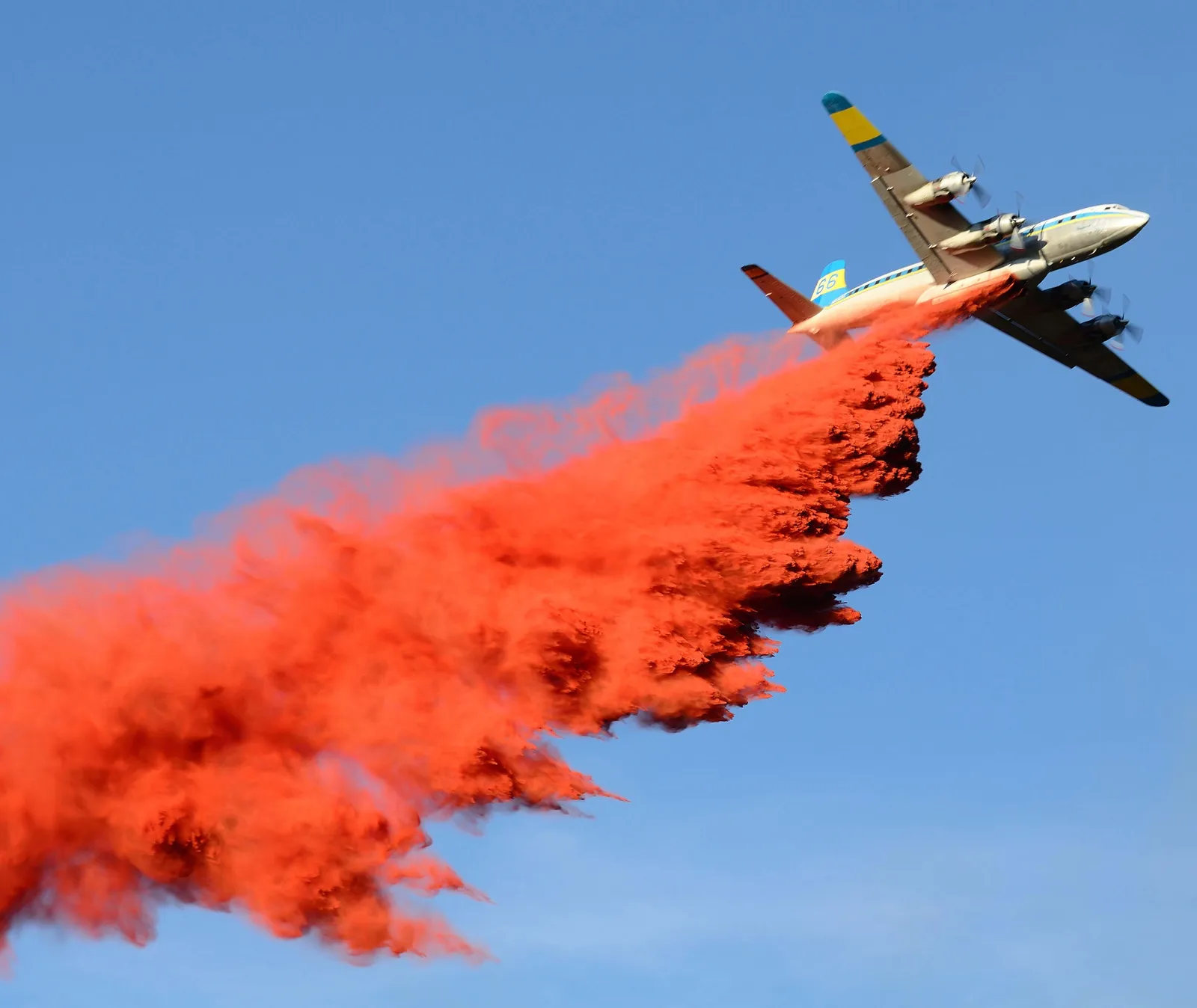
Case Study: July 2020 Mill Hill Fire and Community Wildfire Preparedness
In July 2020, a wildfire ignited in Mill Hill Regional Park, situated between Langford and View Royal. The fire was first reported around 5 p.m. on July 21 and rapidly expanded to nearly two hectares. Fire officials determined the blaze was likely human-caused, possibly due to a discarded cigarette or an unattended campfire, as no weather-related factors like lightning were present.
Firefighting efforts involved crews from Langford, View Royal, Colwood, Esquimalt, and the B.C. Wildfire Service, totaling around 70 personnel. The challenging terrain required extensive hose deployment, and aerial support from helicopters and air tankers was crucial in containing the fire. By July 29, the fire was officially declared extinguished, with no structures damaged.
This incident underscores the importance of fire safety, the threat it poses to View Royal as a Community, and the resources these events can consume in response.
Review View Royal’s Community Wildfire Resilience Plan, schedule a free Firesmart Home Assessment, and learn the ways the Municipality is managing wildfire risk with your help through View Royal’s FireSmart webpage.
Goal 5. Sustainable urban forest management is achieved through partnership and community investment.
Strategy 5.1. Build relationships with host Nations and Indigenous Peoples living in View Royal to integrate Indigenous perspectives with urban forest management.
Expanding government-to-government relationships with Esquimalt and Songhees Nations is vital to building a more inclusive and respectful approach to urban forest management in View Royal. These partnerships can help identify shared priorities, foster mutual learning, and ensure Indigenous values, rights, and Traditional Knowledge are meaningfully reflected in how forested areas are cared for and protected.
Collaborative efforts to identify culturally significant species, climate-resilient planting opportunities, and high-priority forested areas can support both ecological and cultural objectives. Integrating Indigenous perspectives into urban forestry planning strengthens reconciliation efforts and contributes to more holistic, place-based stewardship.
- Action 43. Expand government-to-government relationships with Esquimalt and Songhees Nations to better understand how Indigenous values and interests might be reflected in urban forest management practices, where high priority forested stands exist within View Royal, and identify opportunities to integrate Traditional Knowledge and land management practices into forested areas management.
Strategy 5.2. Build community knowledge of and participation in urban forest management.
Encouraging community participation and knowledge sharing is key to the long-term success of urban forestry in View Royal. Making information accessible through diverse communication channels ensures residents across all demographics can stay informed and engaged. Public access to urban forestry data, along with tools for reporting local concerns, fosters transparency and strengthens the relationship between the Town and its residents.
Programs that support direct involvement, such as tree planting opportunities, deepen public connection to the urban forest and encourage shared stewardship. Regular updates and educational materials help build community understanding, promote best practices, and maintain momentum as the Town’s urban forest strategy is implemented.
| KEY INDICATOR(S): | M15. Annual volunteer hours |
|---|---|
| BASELINE (2025): | Not tracked |
| TARGET (2030): | >100 hours |
- Action 44. Ensure important urban forestry communications use a diversity of print and digital avenues to reach all segments of View Royal’s population.
- Action 45. Make urban forestry data, including tree canopy mapping and inventory datasets, publicly available.
- Action 46. Prepare a biannual newsletter to communicate key urban forestry messages, updates, and progress on UFS implementation.
- Action 47. Continue to offer View Royal’s Resident Tree Planting Program and expand it if demand outpaces current program capacity. Add non-invasive non-native tree species to the planting list for areas of the town that are not connected to natural ecosystems.
- Action 48. As demand justifies, further build on the successful partnerships and programming delivered through arrangements with the Greater Victoria Green Team (GVGT).
Strategy 5.3. Develop strategic partnerships to support the urban forest.
A wide range of actors are involved in the management of the Town’s urban forest. Community members, utility companies, educational institutions, and various governmental and non-governmental organizations manage trees on their property. Coordination between these actors can improve outcomes for trees and forests.
Community and inter-agency partnerships play a vital role in supporting a healthy and resilient urban forest. By working collaboratively with service providers, educational institutions, and regional networks, View Royal can align goals, reduce conflicts, and strengthen the effectiveness of urban forest initiatives. These relationships help ensure that infrastructure planning, land management, and tree protection efforts are better coordinated and mutually supportive.
Engaging youth, professionals, and researchers through education and knowledge-sharing fosters long-term stewardship and builds capacity within the field. Partnerships also create opportunities for innovation, shared learning, and the development of consistent best practices across jurisdictions—enhancing the collective impact of urban forestry efforts.
- Action 49. Work with utility providers to define preferred and minimum planting setbacks from infrastructure assets and to identify acceptable solutions (e.g., utility sleeves, root barriers, vertical setbacks) supported in meeting minimum setbacks to reduce undue harm to trees.
- Action 50. Explore partnership opportunities with the Greater Victoria School District (GVSD), including Shoreline Community Middle School, Eagle View Elementary School, and View Royal Elementary School to engage youth in educational programs that promote urban forest awareness and foster student interest in urban forestry.
- Action 51. Actively participate in and support initiatives that utilize the Capital Regional District’s (CRD) network of urban forestry professionals, including municipal staff, nurseries, consultants, and academics. Focus on sharing knowledge and collaborating to address key challenges.
- Action 52. Explore partnering with Royal Roads University, the University of Victoria and other post-secondary institutions to support research and workforce development in View Royal’s urban forest.