Limited Hazardous Materials Investigation - 3 Helmcken Road, Victoria, BC
A report detailing the presence of hazardous materials such as asbestos and lead in a building scheduled for demolition.
Limited Hazardous Materials Investigation
3 Helmcken Road, Victoria, BC
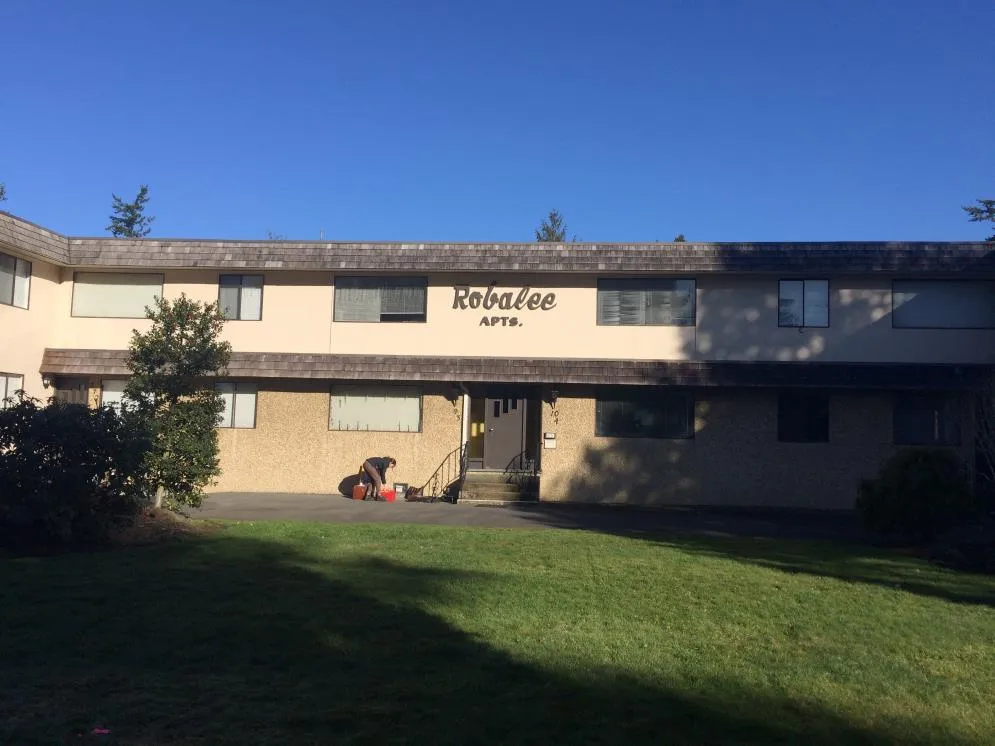
Prepared for High Street Living daslobodan@highstreetliving.ca 702-1708 Dolphin Ave Kelowna, BC V1Y 9S4
Island EHS 201 – 990 Hillside Avenue Victoria, B.C. V8T 2A1 778-406-0933 www.islandehs.ca
Executive Summary
Island EHS was engaged by High Street Living to carry out a non-destructive limited hazardous materials investigation at 3 Helmcken Road in Victoria, BC. This investigation was conducted prior to purchase of the building. If the client acquires the property, the building will be demolished. The building was occupied at the time of the investigation. This investigation was carried out on March 16, 2018.
This investigation is intended to identify the locations and types of hazardous materials that are present in the building.
The building is a two-level wood framed apartment building with a basement and partial crawlspace. The laundry/store room, crawlspace, Unit 10, common hallways and the exterior of the building (not including roof) were investigated. Additional stucco samples were collected from the exterior of 1445 Burnside Road and 1449 Burnside Road, as requested by the client. Invasive sampling was not carried out.
The following hazardous materials were reviewed:
| Material | Description | Recommendation |
|---|---|---|
| Asbestos | Sheet vinyl flooring | High risk removal |
| Lead | Lead paint sampling was not carried out, however; lead containing paint is suspected on interior and exterior surfaces of the building. | Lead paint sampling will be required prior to demolition. Personal protective equipment during demolition. Lead exposure control plan and lead in air monitoring during demolition. |
| Silica | Assumed to be present in concrete, plaster and stucco | Personal protective equipment during demolition. Silica exposure control plan. |
| Mercury | Fluorescent light tubes observed | Remove for proper disposal if no longer required |
| Hantavirus - Rodent Droppings | None observed | No action necessary |
| Arsenic | Pressure treated wood not observed | No action necessary |
| Radioactive Materials | Smoke detectors observed | Remove for proper disposal if no longer required |
| Mould | None observed | No action necessary |
| PCBs | Fluorescent light fixtures observed | Remove for proper disposal if no longer required |
| Ozone Depleting Substances | Refrigerators present | Remove for recovery & disposal if no longer required |
| Urea Formaldehyde Foam Insulation | None observed | No action necessary |
| Above Ground Storage Tanks (AGST) | AGST observed | Empty tank, clean and remove for disposal if no longer required |
| Leachable Lead | Leachate sample was not collected during the investigation | Leachate sampling will be required prior to demolition |
| Other Hazardous Materials | Fibreglass insulation | Personal protective equipment during demolition |
Note: Renovation or demolition activities will require protective measures. Materials may be encountered during work activities that are not identified in this report. If this happens, work must stop in those areas until the materials are properly identified.
Table of Contents
Executive Summary......................................................................................................................... 2 1.0 Introduction............................................................................................................................ 4 2.0 Hazardous Materials.............................................................................................................. 5 2.1 Materials Subject to WorkSafeBC Regulations ............................................................... 5 2.1.1 Asbestos ...................................................................................................................... 5 2.1.2 Lead............................................................................................................................. 6 2.1.3 Silica ............................................................................................................................ 7 2.1.4 Mercury........................................................................................................................ 7 2.1.5 Hantavirus.................................................................................................................... 7 2.1.6 Arsenic ......................................................................................................................... 8 2.1.7 Radioactive Materials .................................................................................................. 8 2.2 Materials Subject to WorkSafeBC Guidelines ................................................................. 8 2.2.1 Mould ........................................................................................................................... 8 2.3 Materials Controlled by Environmental Regulations........................................................ 9 2.3.1 Polychlorinated Biphenyls............................................................................................ 9 2.3.2 Ozone Depleting Substances ...................................................................................... 9 2.3.3 Urea Formaldehyde Foam Insulation .......................................................................... 9 2.3.4 Fuel Oil Storage Tanks................................................................................................ 9 2.3.5 Leachable Metals............................................................................................................. 9 2.3.6 Other Materials .............................................................................................................. 10 3.0 Results and Recommendations .......................................................................................... 11 3.1 Asbestos ........................................................................................................................ 11 3.2 Lead............................................................................................................................... 12 3.3 Leachable Metals........................................................................................................... 13 3.4 Silica .............................................................................................................................. 13 3.5 Mercury.......................................................................................................................... 13 3.6 Hantavirus (and other Animal Droppings) ..................................................................... 14 3.7 Arsenic........................................................................................................................... 14 3.8 Radioactive Materials .................................................................................................... 14 3.9 Mould ............................................................................................................................. 14 3.10 Polychlorinated Biphenyls ............................................................................................. 14 3.11 Ozone Depleting Substances ........................................................................................ 14 3.12 Urea Formaldehyde Foam Insulation ............................................................................ 14 3.13 Fuel Oil Storage Tanks.................................................................................................. 15 3.14 Other Materials .............................................................................................................. 15 3.15 Abatement Clearance Documentation........................................................................... 15 4.0 Closure ................................................................................................................................ 15
Appendix 1 Photographs Appendix 2 Laboratory Results
1.0 Introduction
Island EHS was engaged by High Street Living to carry out a non-destructive limited hazardous materials investigation at 3 Helmcken Road in Victoria, BC. This investigation was conducted prior to purchase of the building. If the client acquires the property, the building will be demolished. The building was occupied at the time of the investigation. This investigation was carried out on March 16, 2018.
The building is a two-level wood framed structure with a basement. The interior walls and ceilings of the laundry/store room, Unit 10 and the hallways are finished with plaster. The flooring is a combination of concrete, carpet and sheet vinyl flooring. The exterior is finished with stucco and a tar and gravel roof. The building is heated by electric baseboards. Oil fired hot water heaters are present in the crawlspace. The roof and the ceiling cavity was not investigated during the survey.
Three additional stucco samples were collected from the exterior of 1445 Burnside Road and 1449 Burnside Road to test for the presence of asbestos, as requested by the client.
This report does not comply with the BC Occupational Health and Safety Regulation, Part 20, Section 20.112 with regards to the identification of all hazardous materials prior to demolition. Further assessment will be required prior to demolition.
Visual identification of hazardous materials was carried out. Representative samples of building materials were collected for asbestos testing.
2.0 Hazardous Materials
Hazardous materials are present in a large number of common building materials. These materials must be managed effectively to prevent exposure to workers and other persons, or they must be removed. In situations where work activities such as renovations and demolition will affect hazardous materials they must be removed prior to the start of work or appropriate control measures need to be implemented to ensure that workers are not exposed and contamination is not spread throughout the work and adjacent areas.
WorkSafeBC has established regulations regarding the handling and management of a number of hazardous materials along with guidelines for other hazardous materials. Other materials are regulated by environmental laws.
Materials that must comply with WorkSafeBC regulations include:
- Asbestos
- Lead
- Silica
- Mercury
- Hantavirus
- Arsenic
- Radioactive materials
Materials that WorkSafeBC has established guidelines for include:
- Mould
Materials that must comply with environmental regulations:
- Polychlorinated biphenyls
- Ozone depleting substances
- Leachable metals
- Urea formaldehyde foam insulation
- Fuel oil storage tanks
2.1 Materials Subject to WorkSafeBC Regulations
2.1.1 Asbestos
Asbestos is a very common component of building materials. Most asbestos containing materials went out of use in the early 1980s. However, WorkSafeBC has determined that buildings constructed up to 1990 may contain asbestos and must be inspected prior to the start of renovation or demolition activities.
Asbestos becomes a hazard when it is disturbed and airborne dust is created. Caution must be taken to ensure that asbestos containing materials are not disturbed. Asbestos exposure is known to have a number of health effects including asbestosis, lung cancer and mesothelioma.
Asbestos has been used in approximately 3000 manufactured products and is commonly found in residential structures in:
- Floor products (sheet flooring and floor tiles)
- Drywall filler compounds
- Plasters (usually in buildings constructed prior to 1930)
- Textured ceiling applications
- Duct tape (on heating system ducting and around forced air registers)
- Vermiculite
- Caulking and putties (on windows and doors and in levelling compounds)
- Cement products (siding and shingles as well as underground drainage pipes)
- Roofing felts and papers
- Pipe insulation (on piping, boilers and hot water tanks)
WorkSafeBC defines an asbestos containing material as one containing 0.5% or more asbestos by weight. Vermiculite is considered to be asbestos containing if any asbestos is present. WorkSafeBC has designated asbestos as an ALARA substance. This means that exposures to this material must be kept “as low as reasonably achievable”. Section 5.54 of the Occupational Health and Safety Regulation states that employers are required to develop and implement an exposure control plan when workers may be exposed to airborne concentrations of asbestos greater than 50% of the exposure limit.
All asbestos waste must be handled, transported and disposed of in accordance with current Ministry of Environment regulations.
2.1.2 Lead
Lead has been commonly used in paints and coatings. Coatings manufactured prior to 1970 are likely to contain high concentrations of lead. In the late 1970s, Canada restricted the concentration of lead in consumer paints to 5000 ppm. These restrictions did not apply to exterior paints. The acceptable level of lead in consumer paints was last reduced by the Federal government in 2010 to a concentration of 90 ppm. Lead can still be added to certain classes of paint, if the display panel carries a warning. Lead in paint concentration is not regulated when used in commercial or industrial worksites.
Lead becomes a hazard when painted surfaces are disturbed and airborne dust is created. Caution must be taken to ensure that lead containing materials are not disturbed. Lead exposure is known to have a number of health effects including damage to the central and peripheral nervous systems. It also affects the uptake of oxygen in the blood and can accumulate in bones. Lead is toxic to both male and female reproductive system and can have damaging effects to a developing fetus. Lead exposures can also occur when lead products are touched and lead contamination is ingested (eaten).
Lead is used in plumbing fixtures. Flashings and other products found on roofs may be made of pure lead. Lead has also been used in solders. This may be found on plumbing lines as well as on electrical equipment.
WorkSafeBC has designated lead as an ALARA substance. This means that exposures to this material must be kept “as low as reasonably achievable”. An employer must not permit workers to engage in a work activity or lead process that may expose workers to lead dust, fumes or mist unless a risk assessment has first been completed by a qualified person. If the risk assessment indicates potential for lead exposure, an exposure control plan meeting the requirements of Section 5.54 of the Occupational Health and Safety Regulation must be developed.
Waste materials with lead based paint on them may have special disposal requirements (See Section 2.3.5). Lead paint that has been removed from building materials requires leachate testing to determine the appropriate method of disposal.
2.1.3 Silica
Silica is the second most common mineral on earth. It is found almost everywhere. It appears in two (2) main forms - amorphous and crystalline. Amorphous silica is not generally considered to be a significant hazard. Crystalline silica is known to have a number of health effects including silicosis. The definition of respirable crystalline silica (RCS) includes the quartz, crystalline silica and cristobalite.
RCS becomes a hazard when it is disturbed and airborne dust is created. Caution must be taken to ensure that silica containing materials are not disturbed.
Crystalline silica is present in a number of common building materials. These include:
- Plasters
- Cement
- Sand/gravel
- Stucco
- Drywall Filler Compounds
- Granite
As with lead, WorkSafeBC has designated crystalline silica as an ALARA substance which means that exposures to this material must be kept “as low as reasonably achievable”. Likewise, an employer must not permit workers to engage in a work activity or silica process that may expose workers to respirable crystalline silica dust unless a risk assessment has first been completed by a qualified person. If the risk assessment indicates potential for RCS exposure, an exposure control plan meeting the requirements of Section 5.54 of the Occupational Health and Safety Regulation must be developed.
2.1.4 Mercury
Mercury is a metal that is liquid at room temperatures and vaporizes at low temperatures. Mercury has a number of industrial uses. It is also found in thermostats, thermometers and inside fluorescent light tubes.
Mercury has a significant toxic effect on the central nervous system and can cause disease and even death. Mercury becomes a hazard when it is released into the environment. Significant concentrations of mercury can be present at room temperature because it vaporizes at low temperatures. This can occur when mercury thermometers or thermostat bulbs are broken or when fluorescent light tubes are broken.
WorkSafeBC has designated mercury as an ALARA substance. This means that exposures to this material must be kept “as low as reasonably achievable”. Section 5.54 of the Occupational Health and Safety Regulation states that employers are required to develop and implement an exposure control plan when workers may be exposed to airborne concentrations of mercury greater than 50% of the exposure limit.
All mercury waste requires disposal in accordance with current Ministry of Environment requirements.
2.1.5 Hantavirus
Hantavirus is associated with Hantavirus Pulmonary Syndrome. This disease is contracted by coming into contact with the droppings or urine of infected rodents. It can also be contracted by being bitten or scratched by infected rodents.
WorkSafeBC states that employers are required to develop and implement an exposure control plan when workers may be exposed to potentially contaminated rodent droppings.
It should be noted that diseases are associated from contact with other animal droppings, most notably Histoplasmosis, from contact with infected bird droppings.
There are no special disposal requirements for uninfected animal droppings.
2.1.6 Arsenic
Arsenic is a metal that is sometimes used in pesticides. It is also found in pressure treated wood products.
Exposures can occur when arsenic containing materials are disturbed and dust becomes airborne. Sawdust from cutting pressure treated wood or burning these materials can result in significant airborne arsenic concentrations.
Disposal of arsenic waste must be in accordance with current Ministry of Environment requirements.
2.1.7 Radioactive Materials
Radioactive materials are commonly found in smoke detectors. A small amount of radioactive materials (241Americium) is sealed in a metal case inside smoke detectors. This metal case must remain undisturbed to prevent exposure to radioactive materials.
Some ceramic tiles and forms of granite have also been found to contain radioactive materials. Radon is a naturally occurring gas created during the decay of other radioactive materials. It is not considered a significant concern on Lower Vancouver Island.
Waste smoke detectors must be disposed of in accordance with Canadian Nuclear Safety Commission requirements.
2.2 Materials Subject to WorkSafeBC Guidelines
2.2.1 Mould
Mould is prevalent throughout our environment. It occurs naturally with mould spores being present everywhere. Mould is nature’s way of breaking down and recycling materials. Mould spores require moisture and a food source to begin growing. Water leaks (even very minor leaks) and moisture accumulation are usually sufficient for mould to begin growing.
Exposure to mould spores most often results in allergy type responses in susceptible individuals. These are similar in nature to “hayfever” and can include runny eyes and noses and throat irritation. In more extreme cases, exposure to mould spores can result in “pneumonia-like” responses.
WorkSafeBC has not established exposure levels for airborne mould spores. WorkSafeBC does provide guidelines for dealing with mould contamination. These guidelines are included in the Indoor Air Quality regulation guidelines.
There are no special disposal requirements for mould waste.
2.3 Materials Controlled by Environmental Regulations
2.3.1 Polychlorinated Biphenyls
Polychlorinated biphenyls (PCBs) are regulated by both Provincial and Federal regulations. Fluorescent light ballasts containing PCBs must be treated as PCB waste and stored and disposed of in accordance with current regulations. Fluorescent light fixtures removed during demolition, construction or maintenance activities must be inspected for the presence of PCBs.
Each ballast identified as containing PCBs must be sent to a licenced facility in accordance with current regulatory requirements.
2.3.2 Ozone Depleting Substances
Ozone depleting substances (ODS) and chlorofluorocarbons are commonly found in older refrigerators and air conditioning units. They are sometimes found in fire suppression systems. Environmental regulations restrict the release of these compounds into the environment.
When systems or equipment contains ODS are set for disposal all the ODS must be collected for recycling or disposal by a licenced contractor.
2.3.3 Urea Formaldehyde Foam Insulation
Urea formaldehyde foam insulation (UFFI) was used as a retrofit insulation in older buildings. The expanding foam would be sprayed into wall and ceiling cavities to provide additional insulation in older buildings. It was most commonly used in residential settings.
Over time, in the presence of moisture, the insulation can break down and release formaldehyde gas. This insulating material was banned in 1978. Many older buildings contain UFFI.
There are no special disposal requirements for UFFI waste.
2.3.4 Fuel Oil Storage Tanks
Fuel oil storage tanks (above and below ground) are found in many houses and commercial buildings. The tanks can corrode and leak as they age. Spills often occur during tank filling and create contamination.
Tanks in use must be monitored to ensure that spillage and contamination does not occur. Tanks no longer in use must be removed for disposal and the surrounding soil checked for contamination.
2.3.5 Leachable Metals
The BC Ministry of Environment regulates the disposal of some waste materials based on the leachability of metals and other compounds from the waste. Testing may have to be carried out on materials removed from the building before they can be sent for disposal. This will depend on where the waste is being sent.
Within the Capital Regional District, disposal of painted waste materials at the Hartland landfill requires toxicity characteristic leaching procedure (TCLP) to determine leachable lead concentrations prior to acceptance as construction waste.
2.3.6 Other Materials
A number of hazardous materials may be present in a building that will be affected by renovations or demolition. These can include:
- Propane or butane cylinders
- Paint
- Solvents
- Toxic or corrosive products
- Other flammable materials
3.0 Results and Recommendations
The building was inspected for the presence of a variety of hazardous materials. WorkSafeBC requirements specify that precautions are necessary when handling these materials. The necessary precautions will depend on the disposition of each hazardous material.
Trained qualified contractors need to be hired to carry out remedial work on hazardous materials. All general demolition work should be carried out by workers wearing respirators and disposable coveralls.
Copies of this report must be provided to contractors engaged to work in the building.
Notices of Project must be submitted in accordance to WorkSafeBC requirements.
Materials may be encountered during work activities that are not identified in this report. If this happens, work must stop in those areas until the materials are properly identified.
3.1 Asbestos
A total of twenty-two (22) representative bulk samples of such materials as plaster, sheet vinyl flooring and stucco were collected from the building. The following asbestos containing materials were identified:
Table 1: Summary of Asbestos Containing Materials
| Location | Description | Asbestos Type & Percentage | Approximate Quantity | Removal Requirements |
|---|---|---|---|---|
| Kitchens and bathrooms | Sheet vinyl flooring | 70% Chrysotile | ~ 150ft²/per unit | High risk work procedures |
*Quantities of identified asbestos containing materials are an estimate of observable asbestos containing materials. Concealed or inaccessible materials may not have been included in this estimate. It is the responsibility of the abatement contractor to ensure accurate measurements.
Results of asbestos sample analysis and sample identification and locations are attached in Appendix 2.
All efforts were made to determine all potential asbestos containing materials; however, due to the non-destructive nature of this survey and limited access to other areas of the building additional asbestos containing materials may be present. A visual inspection of ceiling cavity was not possible at the time of the investigation.
This report does not comply with the BC Occupational Health and Safety Regulation, Part 20, Section 20.112 with regards to the identification of all hazardous materials prior to demolition. Further assessment will be required prior to demolition.
Prior to the performance of any work that may disturb asbestos containing materials it is a regulatory requirement that a qualified person perform a Risk Assessment. This requirement is in compliance with the WorkSafeBC Occupational Health & Safety Regulation Part 6 “Substance Specific Requirements”; specifically Section 6.6 subsections (1), (2), (3), & (4).
The removal of asbestos backed sheet flooring should be conducted using High Risk asbestos abatement procedures. These procedures must be utilized by a qualified contractor and include as a minimum requirement:
- HEPA-equipped Powered air purifying respiratory (PAPR) protection and disposable Tyvek coveralls;
- Application of water to the asbestos debris materials being disturbed;
- Isolation of the work area;
- HEPA equipped negative air unit for dust suppression purposes;
- Shower;
- Air monitoring as per WorkSafeBC requirements.
Asbestos cement piping was sometimes used for perimeter drains, storm drains and sewer lines. Bell & spigot gasket piping may contain asbestos gaskets. These products may be encountered on the site.
3.2 Lead
The currently allowable level of lead in paint is set by Health Canada under the Canada Consumer Protection Act, Surface Coating Materials Regulation (SOR 2005-09). Under this regulation the maximum allowable concentration of lead in paint sold to consumers is 0.009% (90 μg/g). WorkSafeBC considers paint which contains lead at concentrations greater than 0.009% to present a potential health hazard if it is removed incorrectly. Lead testing was not carried out as part of this survey. Paint sampling will be required prior to demolition.
Any untested painted surfaces are presumed lead-containing unless sampled and found to be non-lead containing. For removal of other hazardous materials, including lead-based paint, an employer is required under Section 5 of the OHSR to develop work procedures designed to minimize a worker’s risk of exposure, and that both the supervisor and worker be properly trained to handle the material, including cleanup and disposal. Lead may be present as solder on any remaining plumbing systems and may be present on other fixtures such as flashings or roof vents.
WorkSafeBC regulation requires that contractors working with lead-based containing materials have a Lead Exposure Control Plan in place including site specific work procedures prior to work commencing. The Regulation also requires that lead in air samples be collected at the beginning of work tasks to ensure proper control methods are employed to control lead dust exposures.
Precautions must be put in place during demolition and renovation activities to ensure that workers are not exposed to lead containing dust and debris. Flashings can be removed and recycled.
In order to control worker exposure to lead paint particulate, any demolition, cutting, burning, grinding, sanding or other disturbance of identified lead painted surfaces should be conducted following appropriate safe work procedures. Procedures will vary depending on the nature of the work but should consider, as a minimum, the following:
- Use of Half face respirators equipped with P100 class filters, disposable Tyvek™ or equivalent coveralls and work gloves;
- Segregation of the work area by the use of barrier tape and warning placards;
- Use of drop sheets and tarps to prevent spread of lead-containing dust;
- Use of HEPA filter equipped vacuum cleaner(s);
- Thorough washing before eating, drinking or smoking;
- Application of water to the materials being disturbed;
- Filing of a “Notice of Project” with WorkSafeBC prior to significant disturbance of lead containing paint; and,
- Air monitoring during disturbance of lead-containing paint
Under the BC Hazardous Waste Regulation materials with identified lead-based paint destined for disposal at a licensed landfill facility must be tested for leachability to determine if they should be handled as a hazardous waste.
3.3 Leachable Metals
The BC Ministry of Environment regulates the disposal of some waste materials based on the leachability of metals and other compounds from the waste.
Under the BC Hazardous Waste Regulation materials with lead paint concentrations over 0.01 wt% (100ppm) destined for disposal at a licensed landfill facility must be tested for leachability to determine if they should be handled as a hazardous waste.
Leachate sampling will be required prior to demolition. Prior to demolition it is the responsibility of the client or the contractor to have samples collected by a qualified person and analyzed using the toxicity characteristic leachate procedure (TCLP).
3.4 Silica
Silica testing was not carried out, but this material will be present in concrete, plaster and stucco.
Precautions must be put in place during demolition and renovation activities to ensure that workers are not exposed to silica containing dust and debris. WorkSafeBC regulation requires that contractors working with silica-based containing materials have a Silica Exposure Control Plan in place including site specific work procedures prior to work commencing.
In order to control worker exposure to silica dust, any abrasive blasting, jackhammering, chipping, drilling, cutting, sawing or other disturbance of identified concrete, plaster or drywall walls or cementicious products should be conducted following appropriate safe work procedures. Procedures will vary depending on the nature of the work but should consider, as a minimum, the following:
- Use of Half-face respirators equipped with P100 class filters, disposable Tyvek™ or equivalent coveralls and work gloves;
- Continuous application of water spraying to materials being disturbed;
- Use of drop sheets and tarps to prevent spread of silica-containing dust;
- Use of HEPA filter equipped vacuum(s);
- HEPA equipped negative air unit for dust suppression purposes (recommended); and
- Air monitoring as per WorkSafeBC requirements.
3.5 Mercury
Fluorescent lights were observed in the laundry/store room. Used light tubes and compact fluorescent bulbs must be sent for proper disposal.
Mercury containing thermostats were not observed.
3.6 Hantavirus (and other Animal Droppings)
Rodent droppings were not observed.
WorkSafeBC regulation requires that contractors handling/cleaning animal and rodent feces have a Hantavirus Exposure Control Plan in place including site specific work procedures prior to work commencing.
3.7 Arsenic
Pressure treated wood was not observed on the site.
3.8 Radioactive Materials
Smoke detectors were observed in the building. Smoke detectors must be sent for disposal in accordance with Canadian Nuclear Safety Commission requirements when they are taken out of service.
3.9 Mould
Mould was not observed in the building. If mould is encountered, precautions must be taken to ensure that workers are not exposed to mould spores.
Fungal contamination may be present within wall or ceiling cavities. During demolition activities, precautions must be taken to ensure that workers are not exposed to potential mould spores which would include, as a minimum, half face respirator fitted with HEPA filtered P100 cartridges, disposable suits and impermeable gloves and eye protection and that use of HEPA filtered negative air cabinets and HEPA filtered vacuums be employed.
3.10 Polychlorinated Biphenyls
Fluorescent light ballasts were observed in the laundry/store room. If the ballasts contain PCBs they must be transported to an acceptable waste storage facility when they are taken out of service.
3.11 Ozone Depleting Substances
Older refrigerators were observed in the laundry/store room and in Unit 10. These may contain chlorofluorocarbons. These materials must be removed for recycling or disposal when the units are taken out of service.
3.12 Urea Formaldehyde Foam Insulation
Urea Formaldehyde Foam Insulation was not observed in the building. This material is not suspected of being present.
3.13 Fuel Oil Storage Tanks
A fuel oil storage tank (above ground) is present in the crawlspace. Removal of oil tanks must be carried out by trained personnel, and in accordance with local municipal bylaws.
3.14 Other Materials
Synthetic fibre insulation is likely to exists throughout the ceiling cavities and wall cavities. Removal of these materials should be conducted wearing proper respiratory protection and protective clothing including impermeable gloves, eye protection and half-face respiratory protection equipped with P-100 particulate filters.
Tenant’s contents were not assessed.
3.15 Abatement Clearance Documentation
In order to comply with BC Workers Compensation Board Occupational Health & Safety Regulation Part 20.112(8) a qualified person (Island EHS) must conduct a final inspection after all of the hazardous materials identified in this report have been safely contained or removed. Once all of the hazardous materials have been removed and the final inspection has been completed a written clearance letter can be provided.
Should asbestos abatement be undertaken by unqualified persons (i.e. homeowners), the work area will require aggressive air clearance sampling. This air sampling will extend to any adjacent areas that have not been isolated from the hazard and potential contamination. Clearance letters, required to document removal of asbestos for issuance of building permits and contractors hired to work in the space, will not be granted subject to failure of this testing. The owner/client is responsible for the additional fees incurred for these services.
4.0 Closure
This document was prepared for the exclusive use of our client. All conclusions and recommendations are based upon conditions at the site at the time of this investigation. All conclusions and recommendations are based upon professional opinions. These opinions are in accordance with accepted industrial hygiene assessment standards and practices and comply with current WorkSafeBC requirements.
All conclusions and recommendations made in this report are based on conditions at the time of inspection. Changes may occur over time that will require a re-evaluation of the site.
All work was carried out based on the Scope of Work that was agreed upon with the client prior to the start of work, constraints imposed by the client and availability of access to the site. A Stage 1 Preliminary Site Investigation was not part of the scope of work.
No warranty or guarantee, whether expressed or implied, are made with respect to the data or the reported findings, observations, and conclusions, which are based solely upon site conditions at the time of the investigation.
This report may not be used, relied upon, copied, published, or quoted by any party without the written consent of Island EHS. Other parties reading this report must independently verify the completeness and accuracy of this report and its contents.
This report is not intended as a Scope of Work for tender or bidding purposes. Any use of this report in that fashion is at the sole discretion and liability of the Owner.
Rachelle Smith, Occupational Hygiene Technician Field Investigation & Report
Heidi Dunn, Principal Field Investigation & Report Review
Document Images
(5)