This site is in beta — data may be incomplete and features are still being added.
Council Meeting/Documents/Presentation: Shawnigan Creek Coho
Presentation

Presentation: Shawnigan Creek Coho

May 17, 2022Pages 25–521 section

A photographic presentation detailing the volunteer process of transferring spawning Coho salmon above waterfalls on Shawnigan Creek.

Over 7,000 fish moved upstream in 2021Volunteers utilize a fish ladder and holding tank to capture fishThe program was started in 1978

Shawnigan Creek Coho

Using donated labour and materials, volunteers have built and operate a unique system for the transfer of spawning Coho salmon above the waterfalls on Shawnigan Creek.
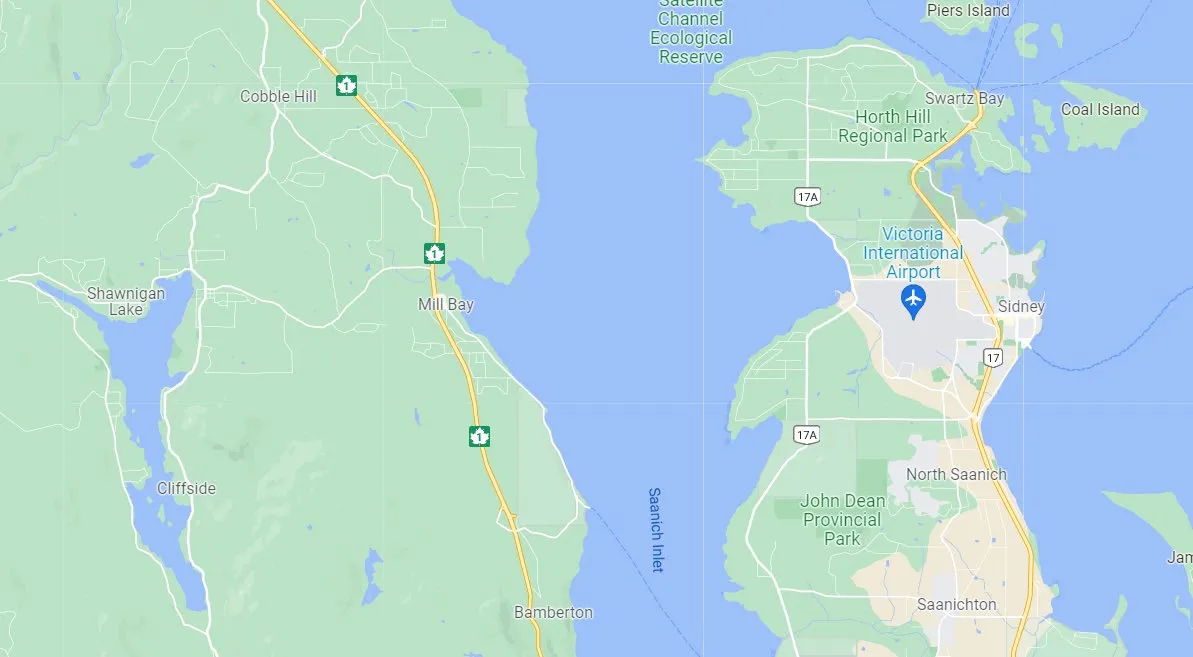
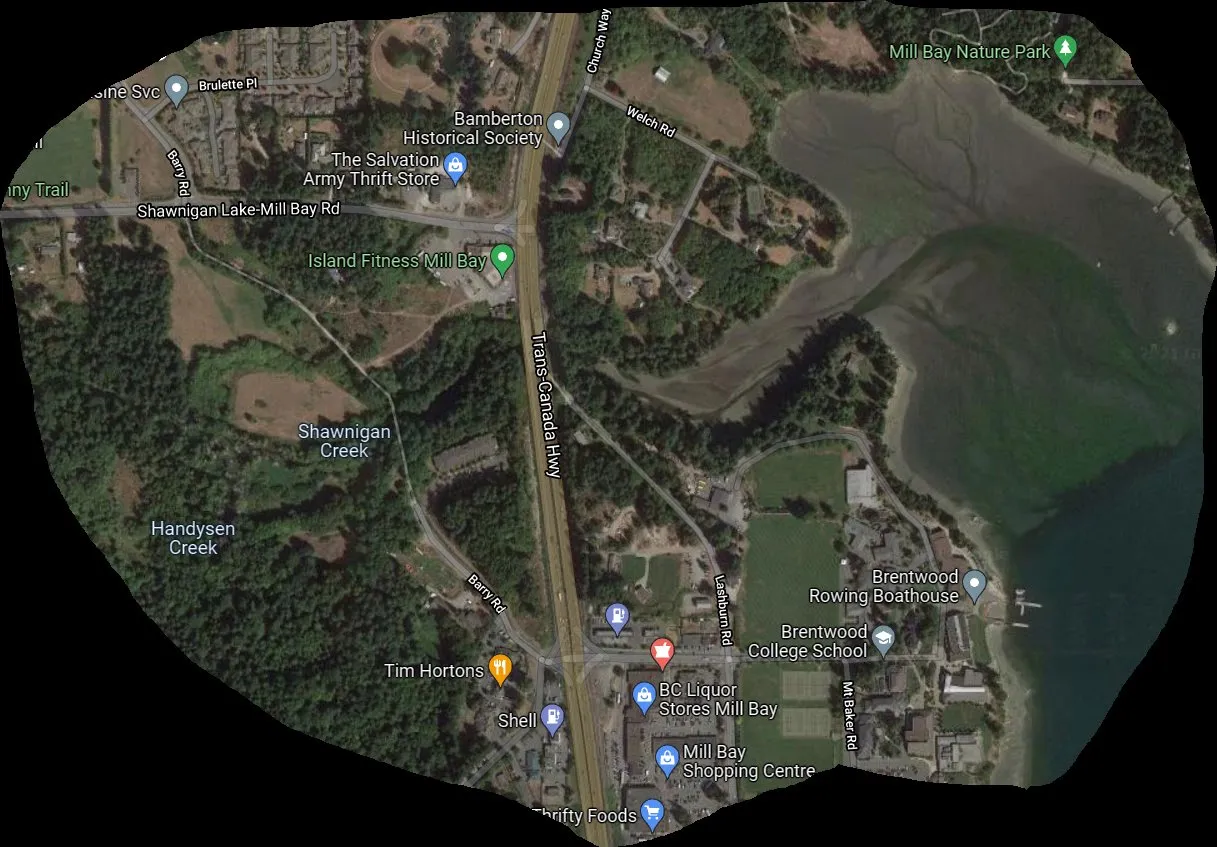
Map of the Mill Bay area showing the Shawnigan Creek estuary and the Trans-Canada Highway bridge

Historically, because of waterfalls, there were no salmon spawning in Shawnigan Creek. The 1978 start of this spawning program, has been ongoing with improvements.

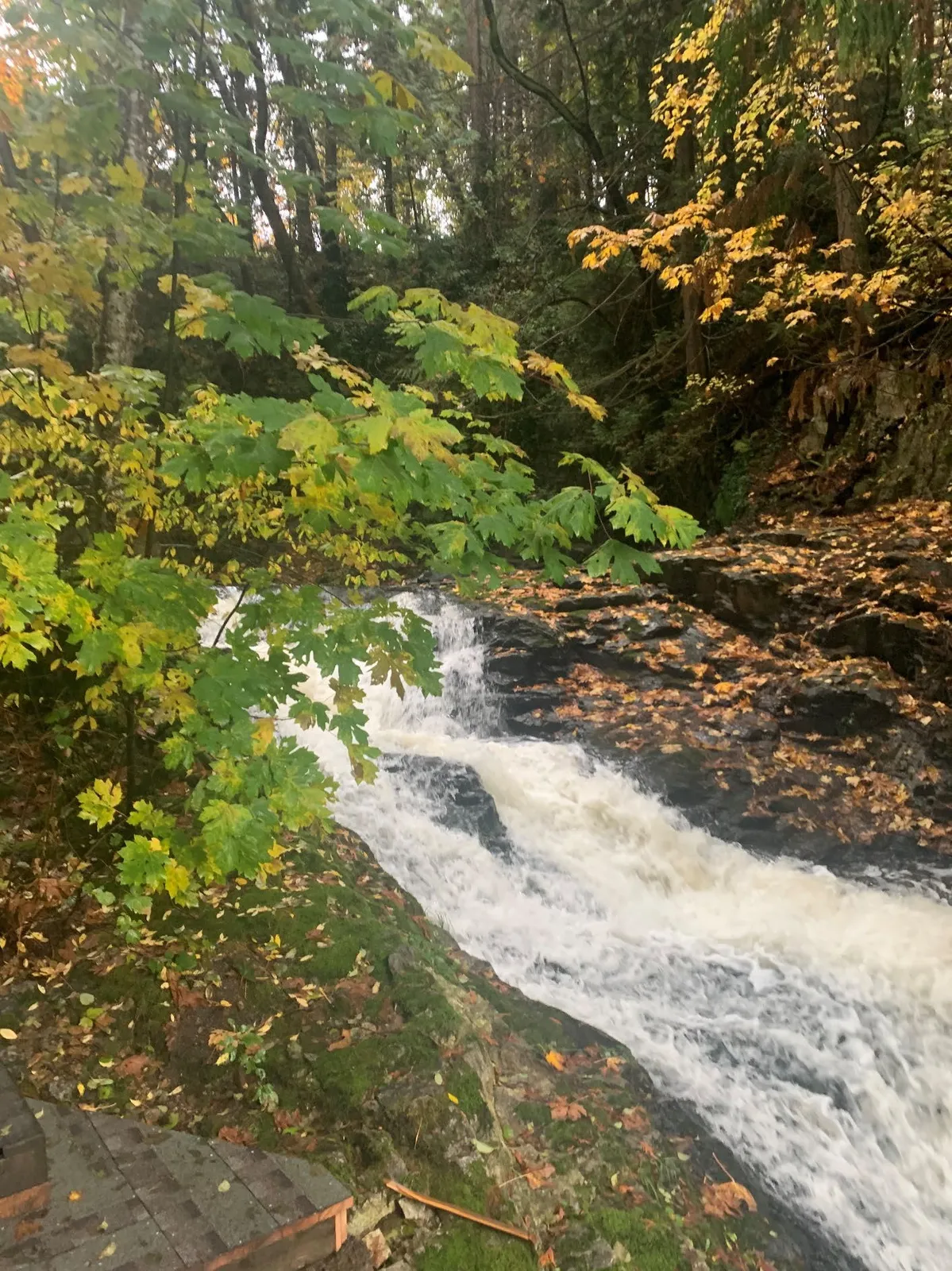
Now thousands of Coho come into Shawnigan Creek estuary where they encounter a large waterfall that they are unable to climb. Additional waterfalls upstream would also be barriers.

Satellite view of Shawnigan Creek showing the estuary, the location of waterfalls, and the High/Low tide marks

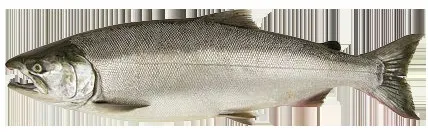
Coho Salmon Quick Facts:

  • Scientific name: Oncorhynchus kisutch.
  • There are more distinct populations of Coho than of any other Pacific salmon species in BC
  • They generally weigh from 8 to 12 lbs, and run from 18 to 24 inches
  • Although Coho tend to remain close to the coastline, they have been found as far as 1600 km from shore
  • Juvenile Coho defend their territories through a series of maneuvers including a complex shimmy-shake, dubbed by scientists the "wig-wag dance"

The Shawnigan program is exclusively for the spawning of Coho.

Illustration of a Coho salmon

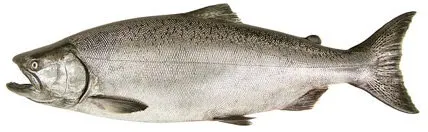
Chinook Salmon Quick Facts:

  • Scientific name: Oncorhynchus tshawytscha
  • The Chinook is the largest of the Pacific salmon species, the world record standing at 57.27 kilograms (126 pounds)
  • Chinook are also known as "spring" salmon because they return to some rivers earlier than other Pacific salmon species
  • As with Coho they are a piscivorous species, eating other fish

The few Chinook that come into the estuary are released from the Coho transport system.
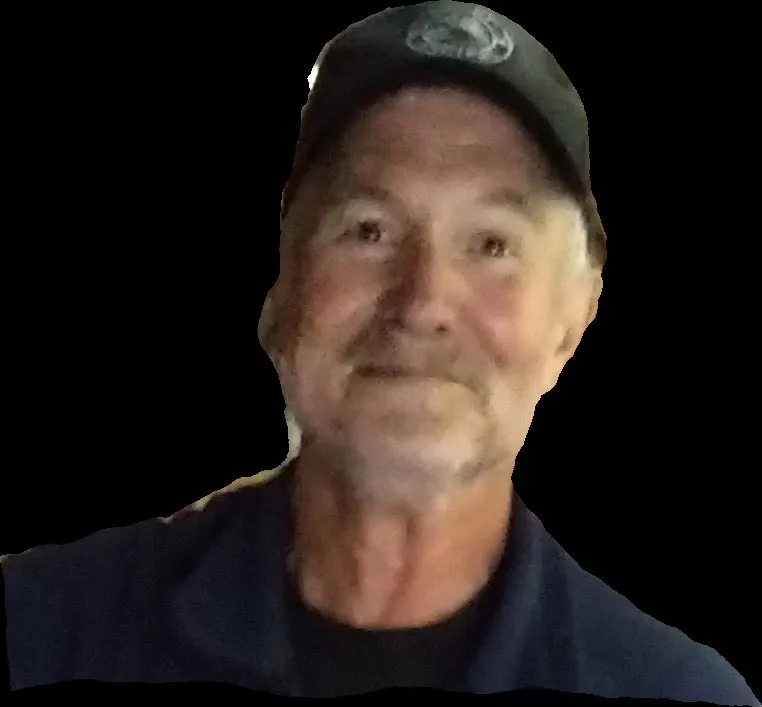
Illustration of a Chinook salmon

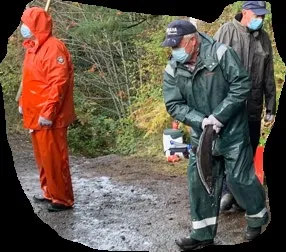
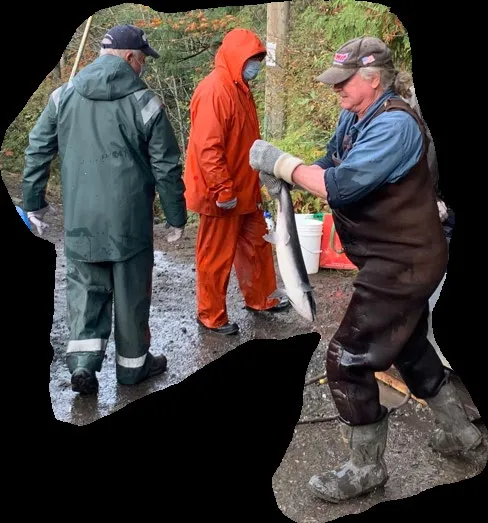
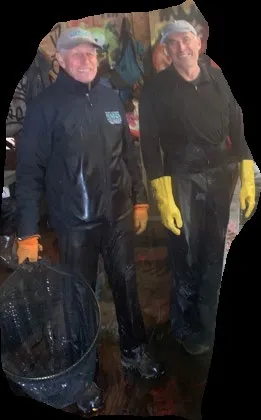
Many volunteers help by lifting thousands of salmon above waterfalls on Shawnigan Creek.
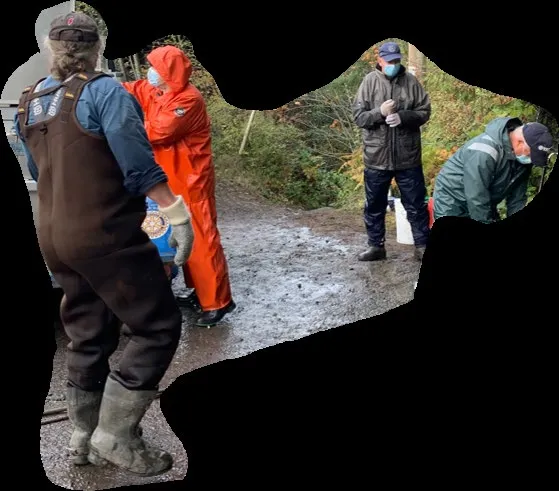
Volunteer in orange waterproof gear working at the creek
Volunteer in a green jacket standing near the water
Two volunteers handling a salmon during the transfer process
Volunteers working together near the sorting troughs
Volunteer holding a captured salmon
Volunteer with a net preparing to catch a salmon
Portrait of a volunteer participating in the program
Volunteer handling a large fish at the site
Volunteer in waders standing near the capture equipment

The Coho were early in 2021 – first arriving on September 27th. By the end of the season, over 7000 were moved upstream with the help of dozens of volunteers and some ingenious equipment.

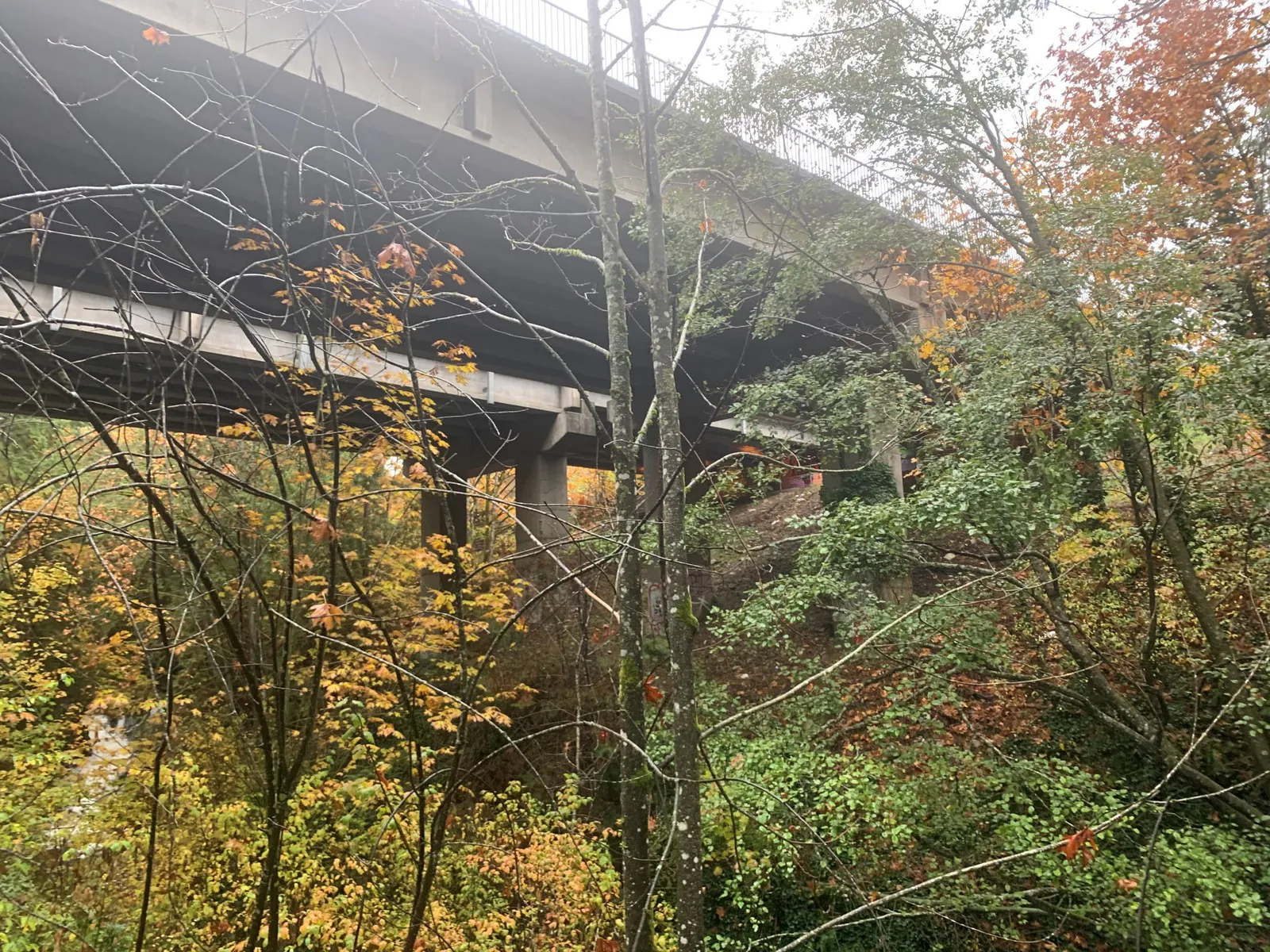
The Trans-Canada Highway crosses Shawnigan Creek. There are waterfalls from here down to the estuary.
View of the Trans-Canada Highway bridge crossing over the wooded Shawnigan Creek area

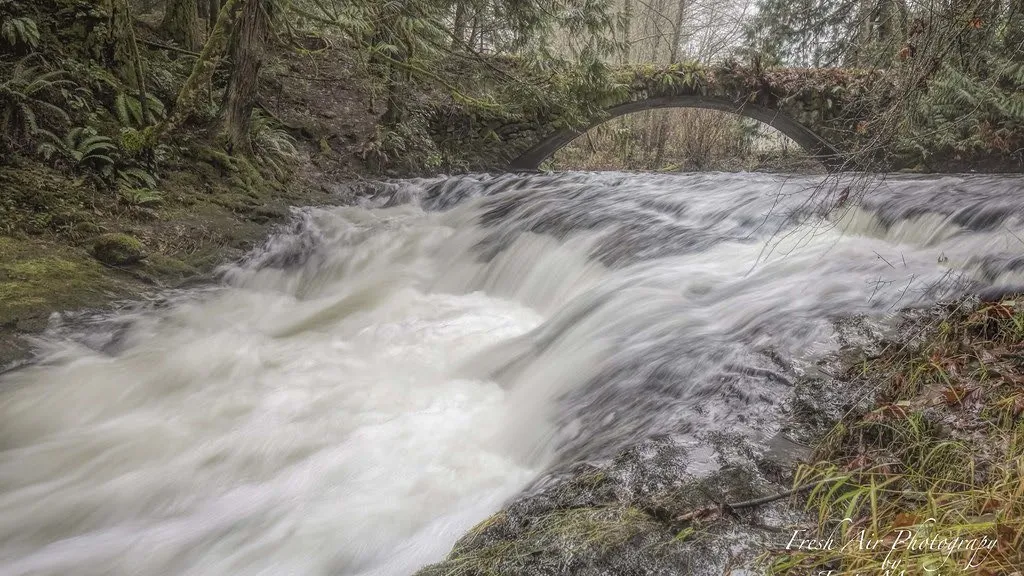
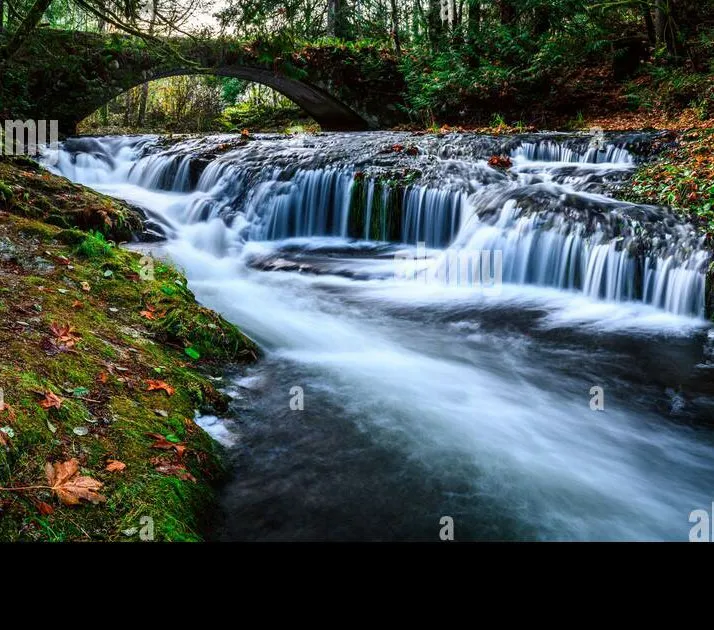
There are additional falls above the Trans-Canada below the Shawnigan Creek Stone Bridge.
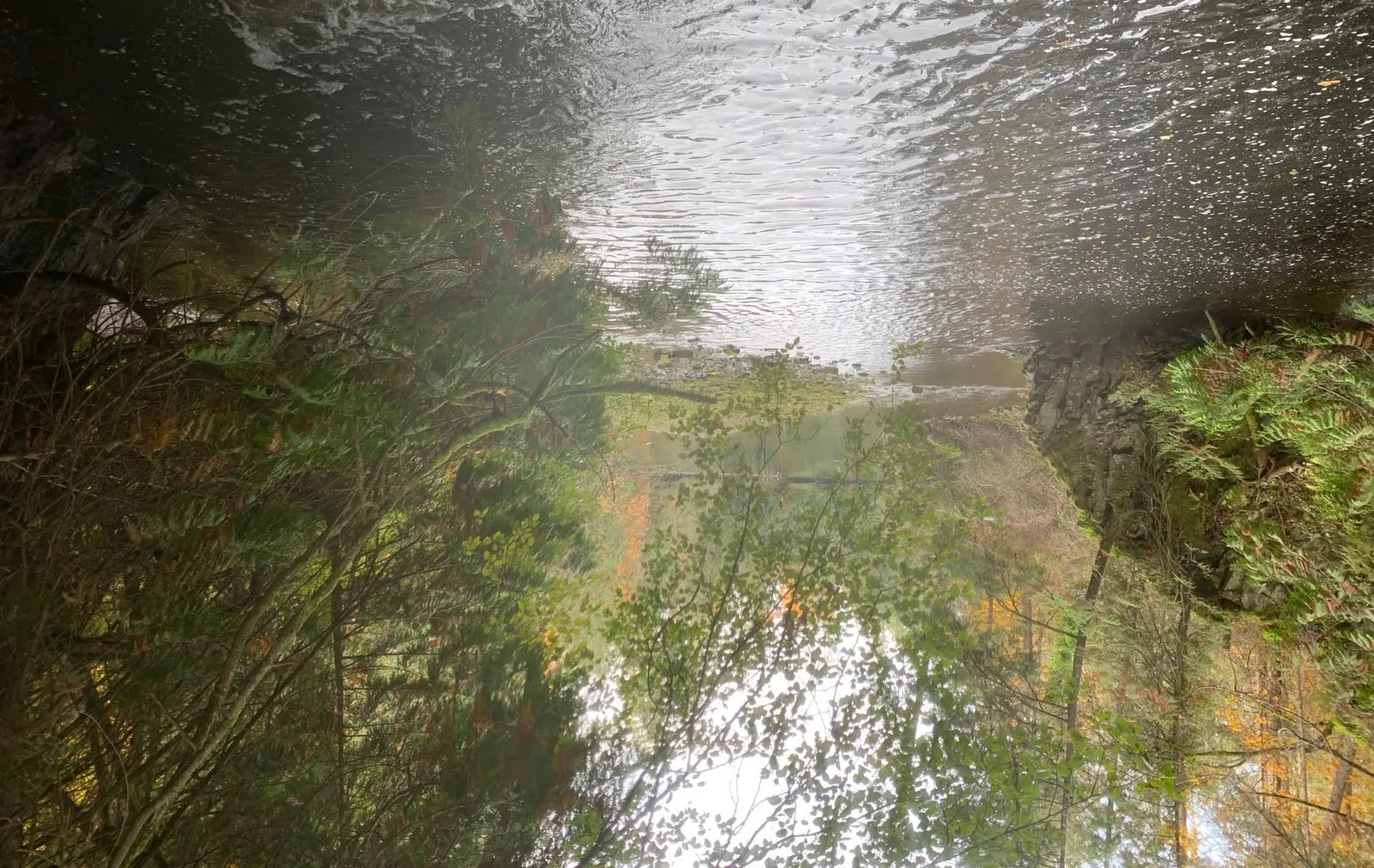
The stone arch bridge over Shawnigan Creek above a waterfall

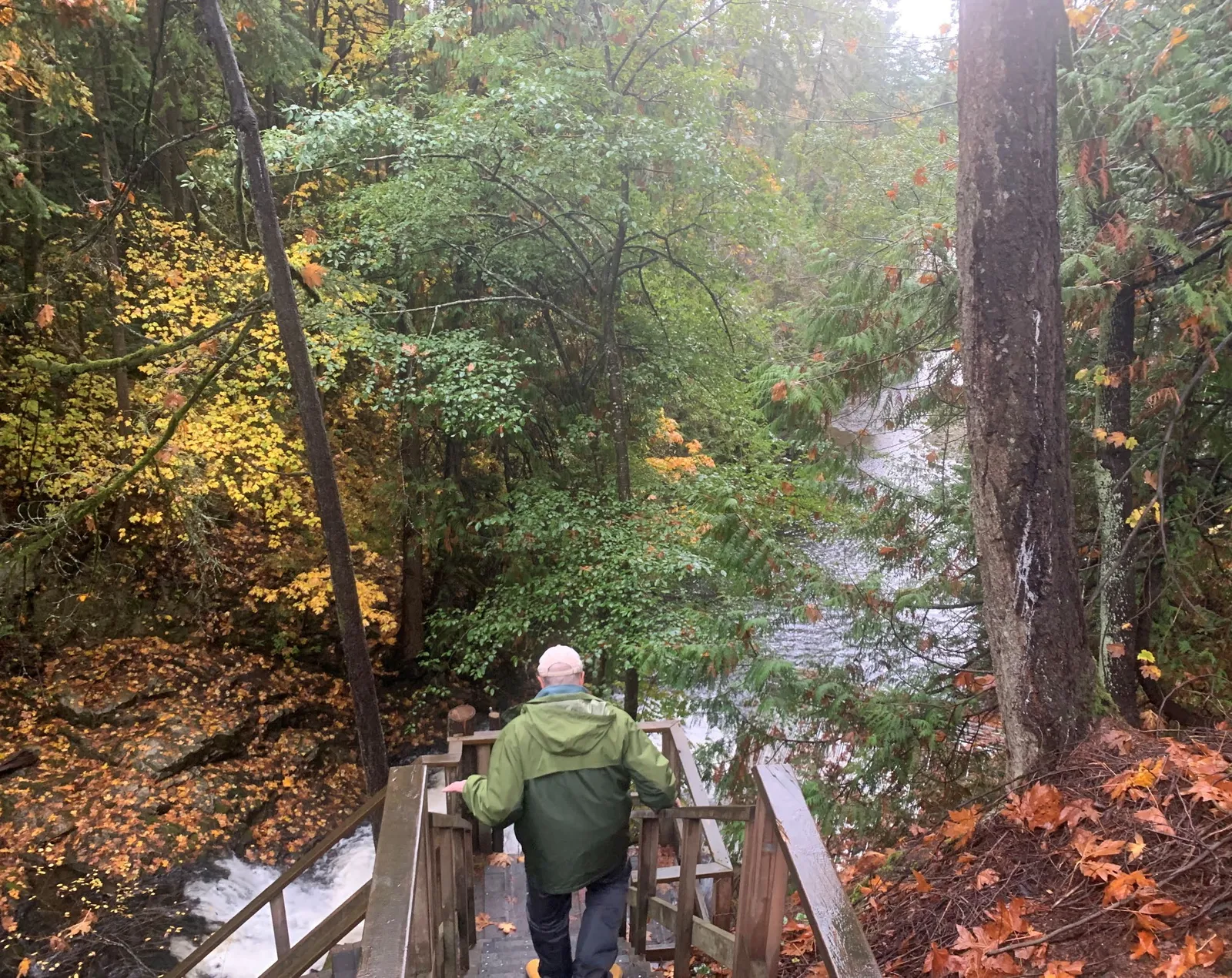
A stairway affords access from the road above to the fish ladder and capture operations at the estuary. Below the falls, the creek discharges into a tidal estuary.


Wooden stairway leading down to the fish ladder and capture site
View of the creek discharging into the tidal estuary at low tide

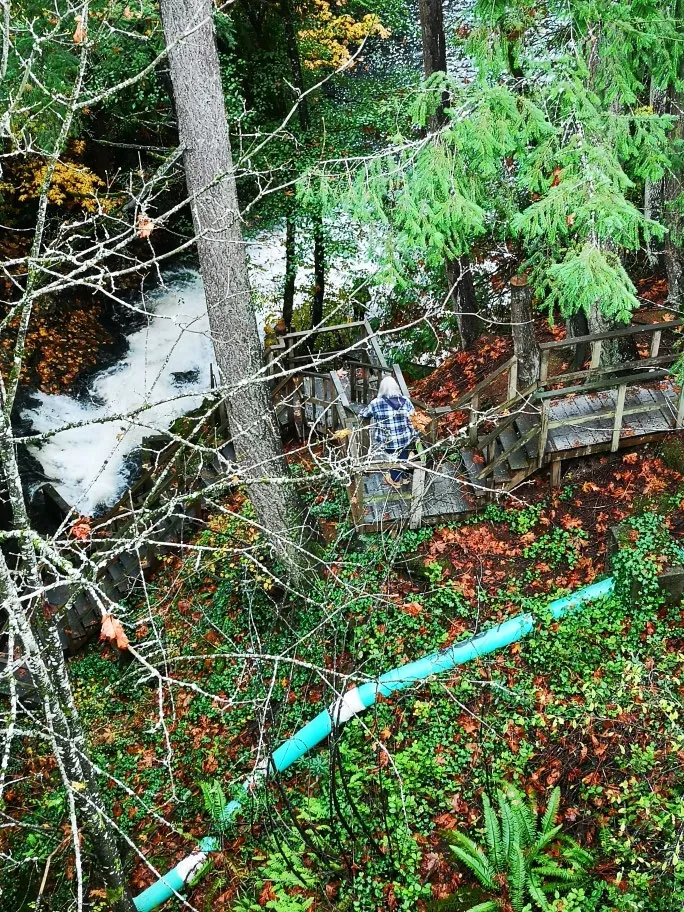
97 steps down ….it feels like 297 up
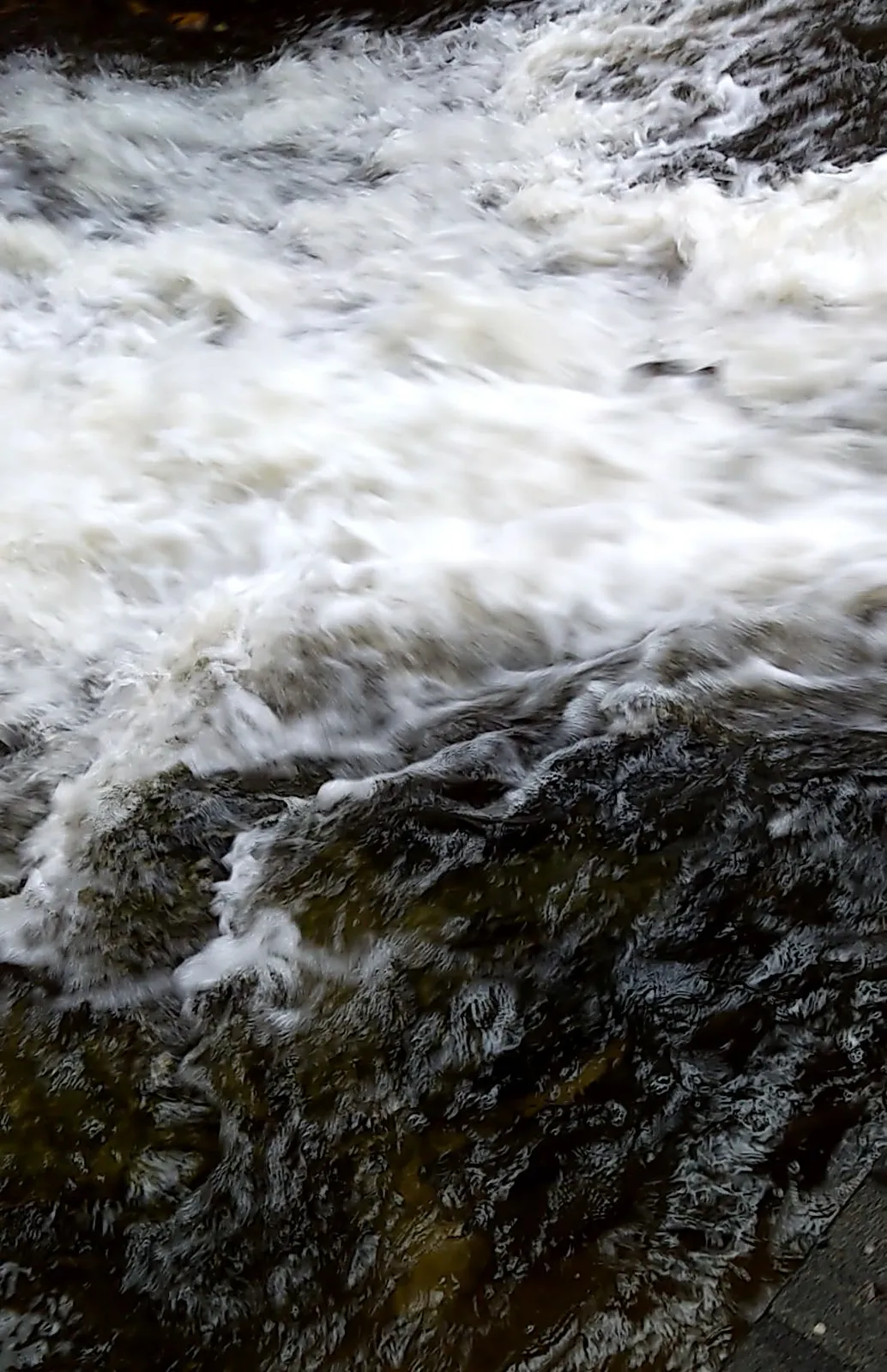
A volunteer descending the long wooden staircase to the creek bed

A striking setting

Scenic view of the calm waters of the Shawnigan Creek estuary

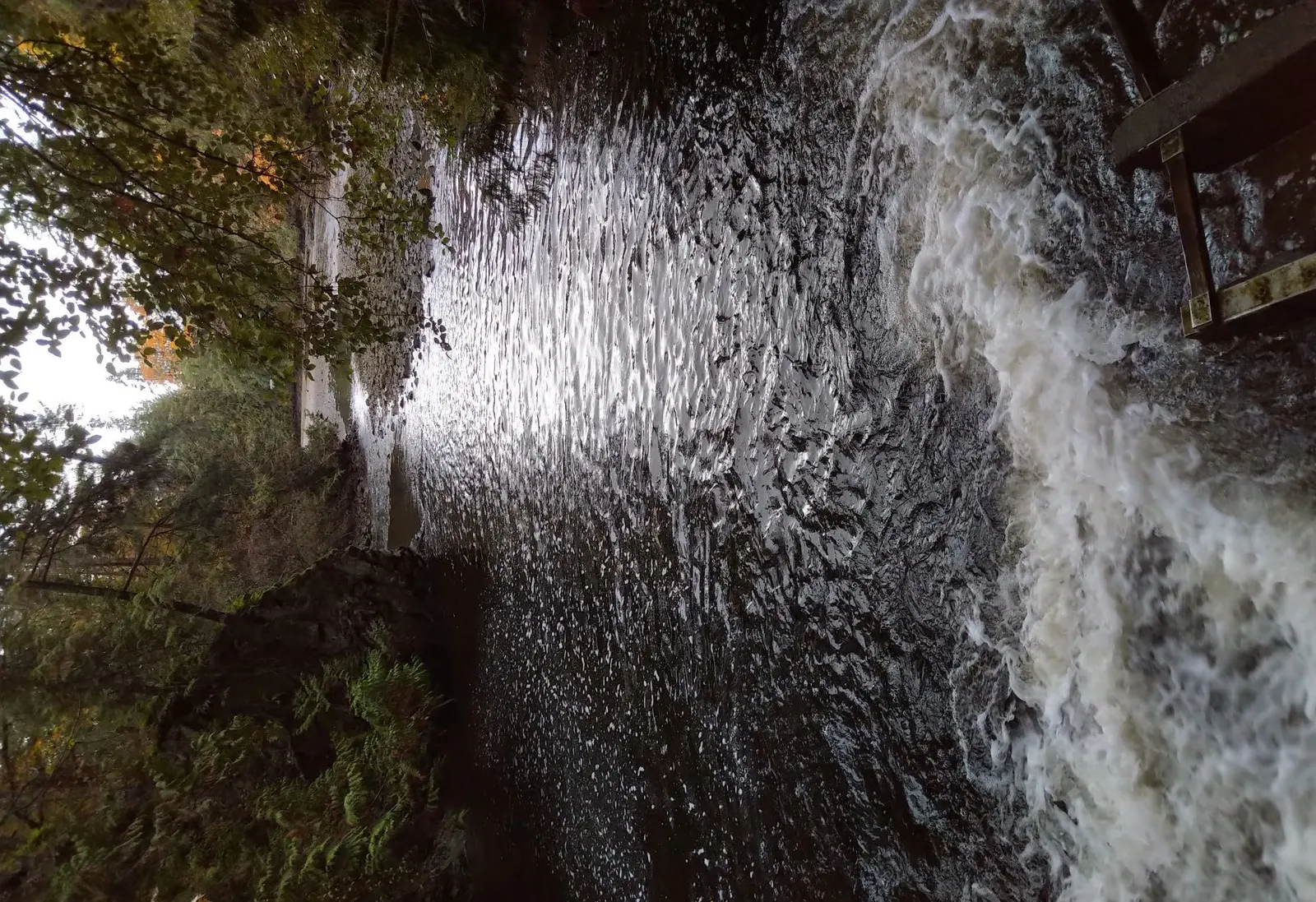
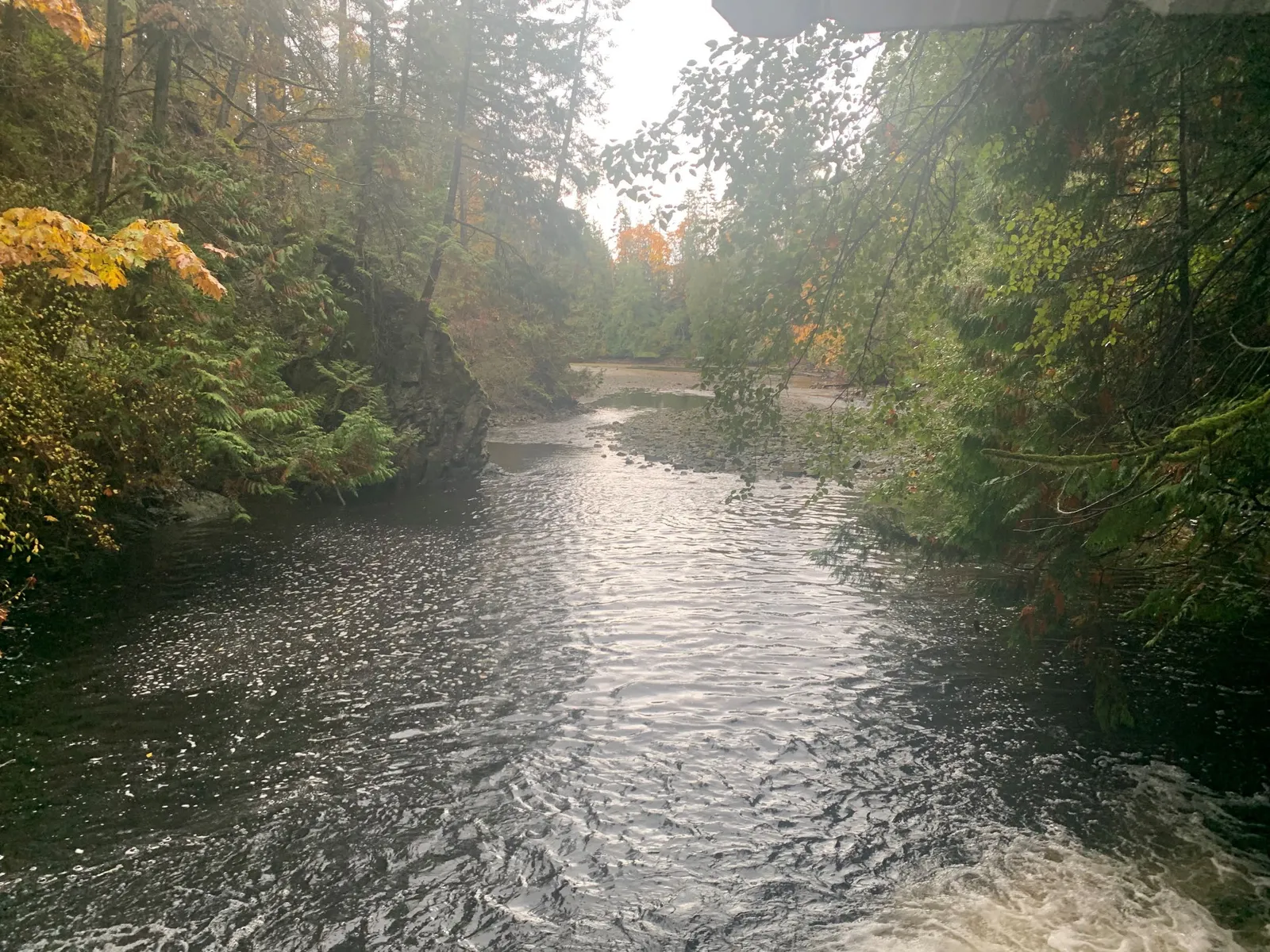
Viewed from the deck the estuary has fairly calm water. But immediately upstream are waterfalls.
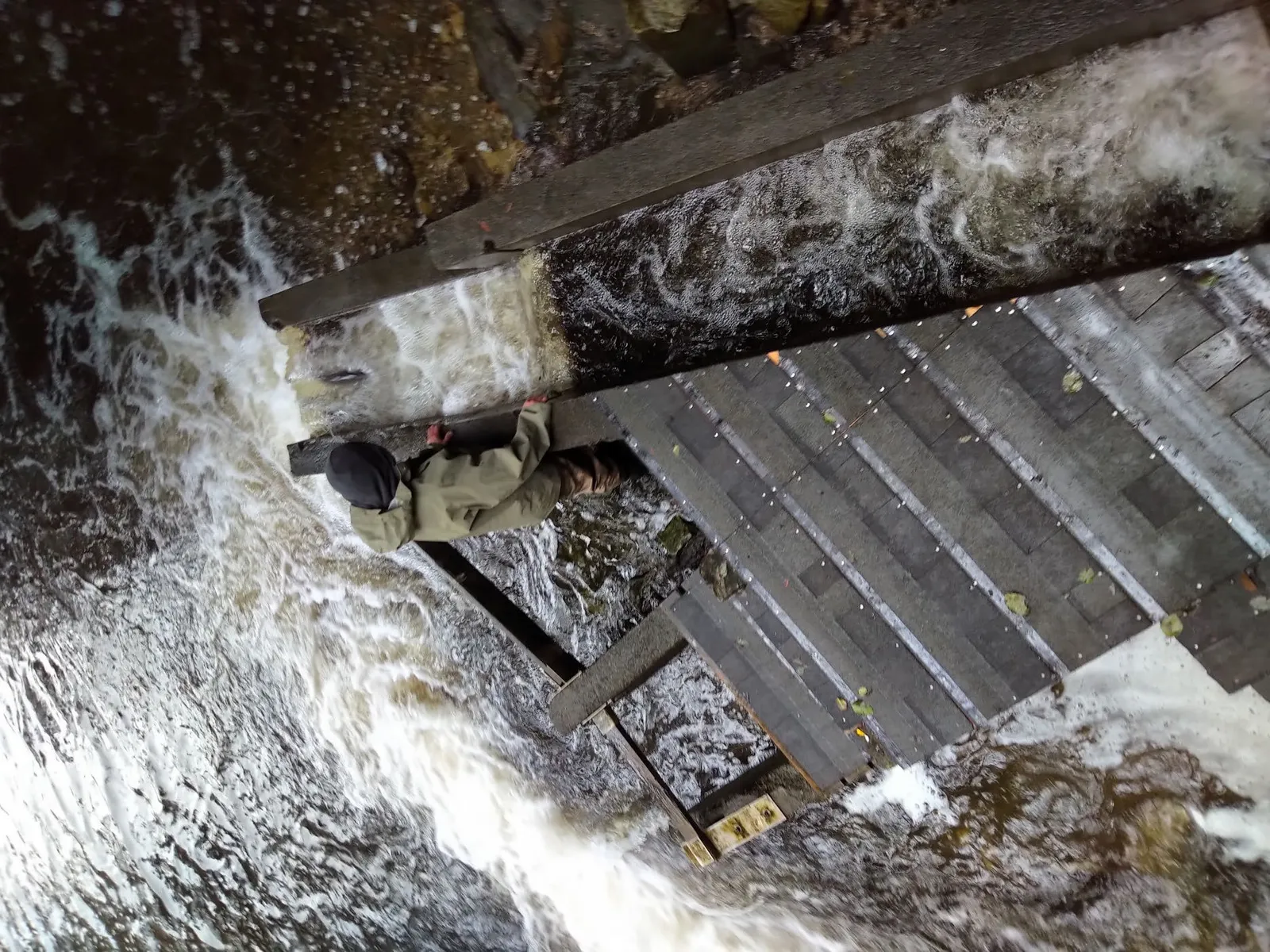

Turbulent waterfall located immediately upstream from the access deck
Calm water of the estuary as seen from the project deck

At high tide, sea water flows into the estuary.

High tide conditions at the estuary with water flowing upstream
Low tide conditions at the estuary with shallow water and exposed rocks

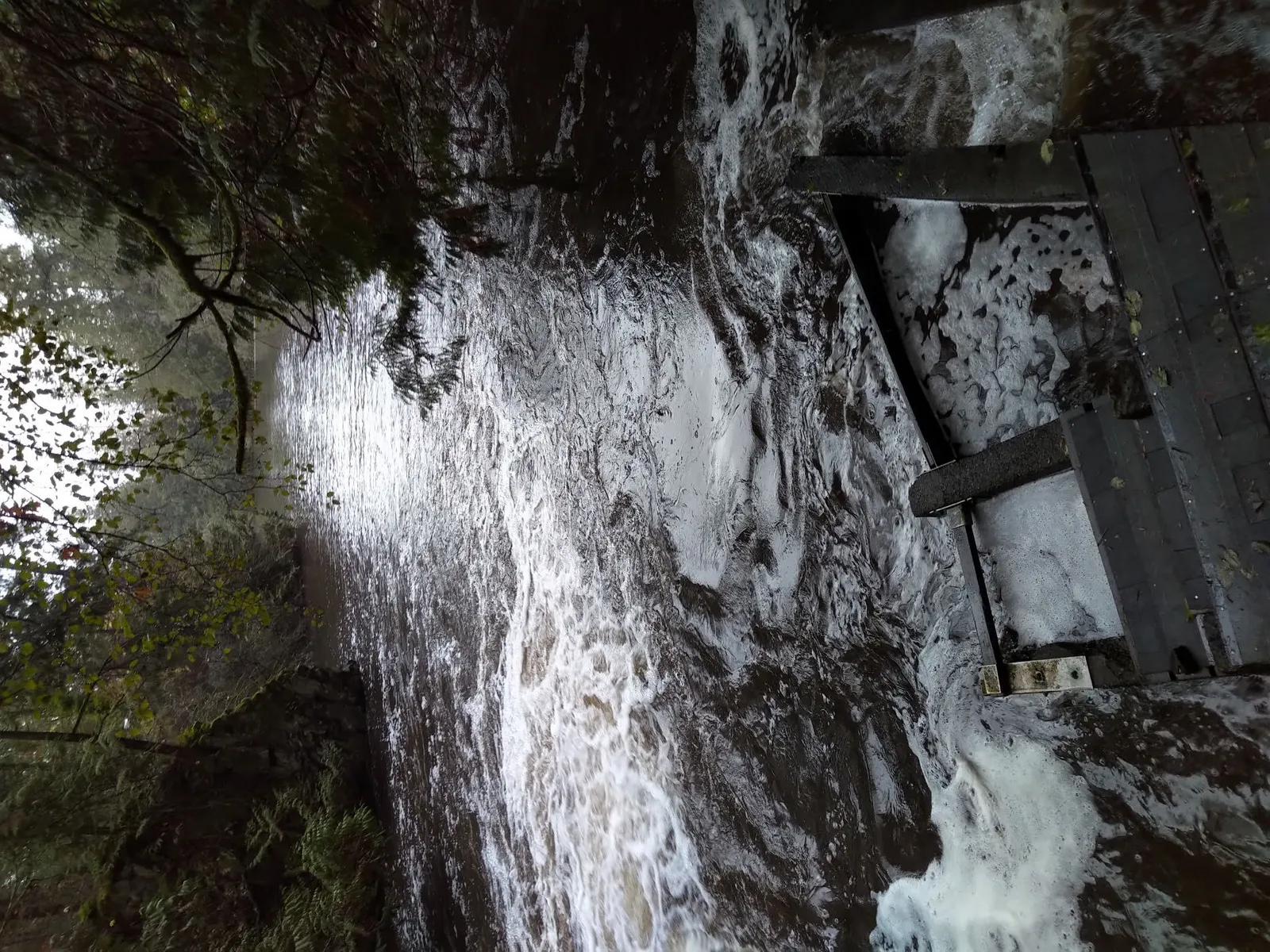
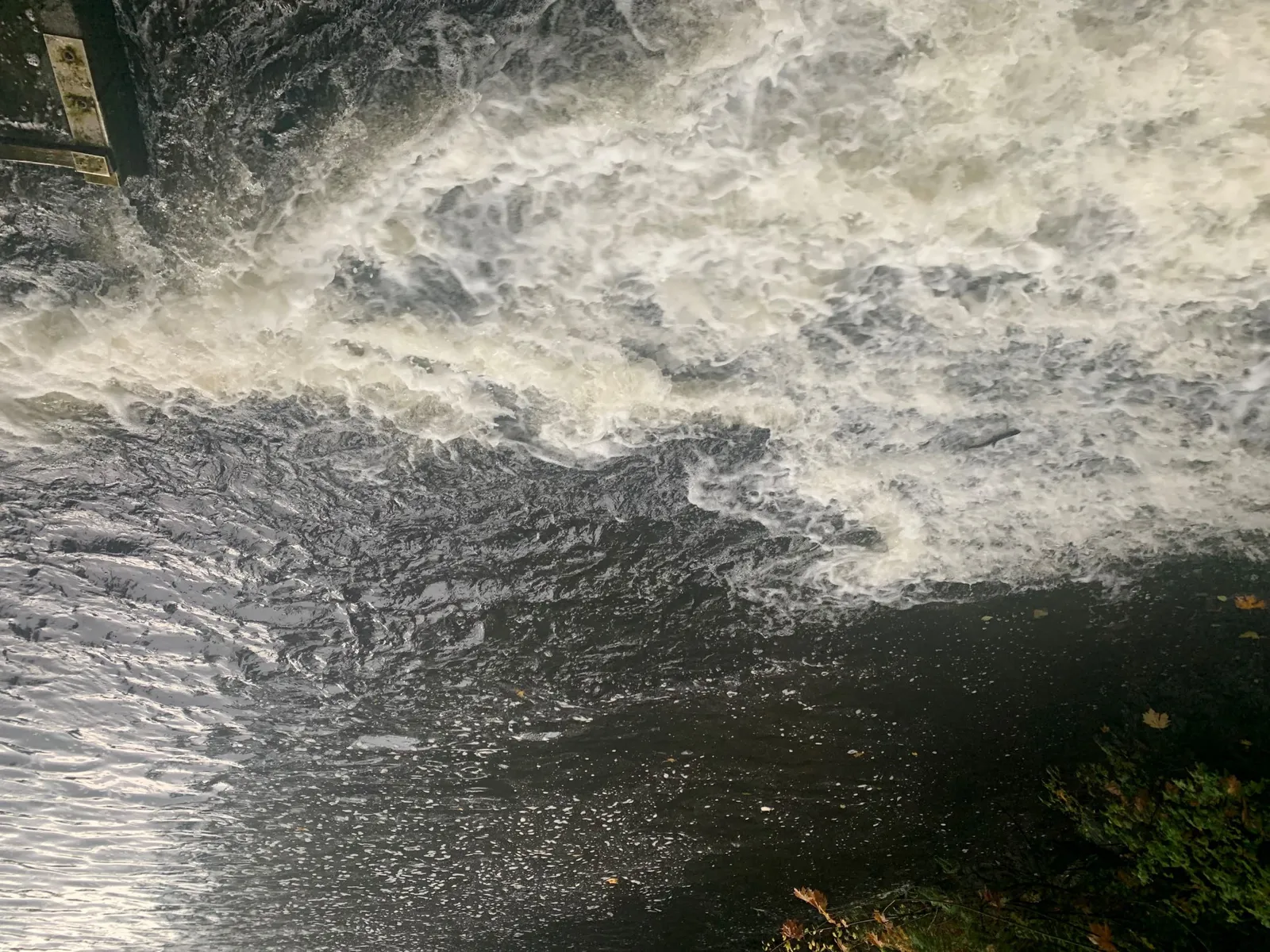
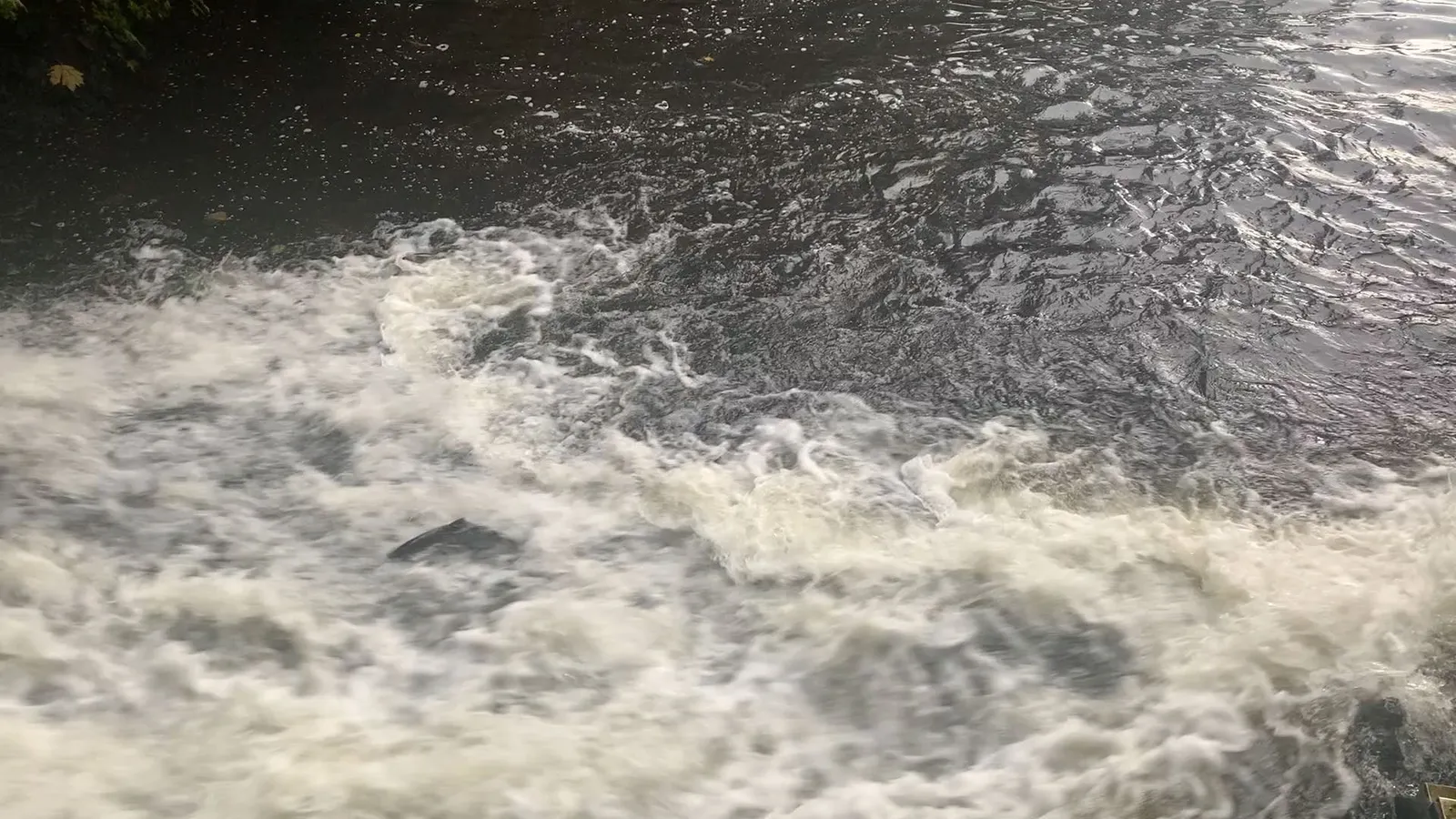
The salmon immediately encounter challenging flow.

Salmon visible swimming through turbulent white water at the base of the falls
Close-up of the challenging, turbulent water flow at the site

They strive to reach the area where they spawned but cannot go much further than the base of the final waterfall.

The base of the final waterfall, which acts as a barrier to the salmon

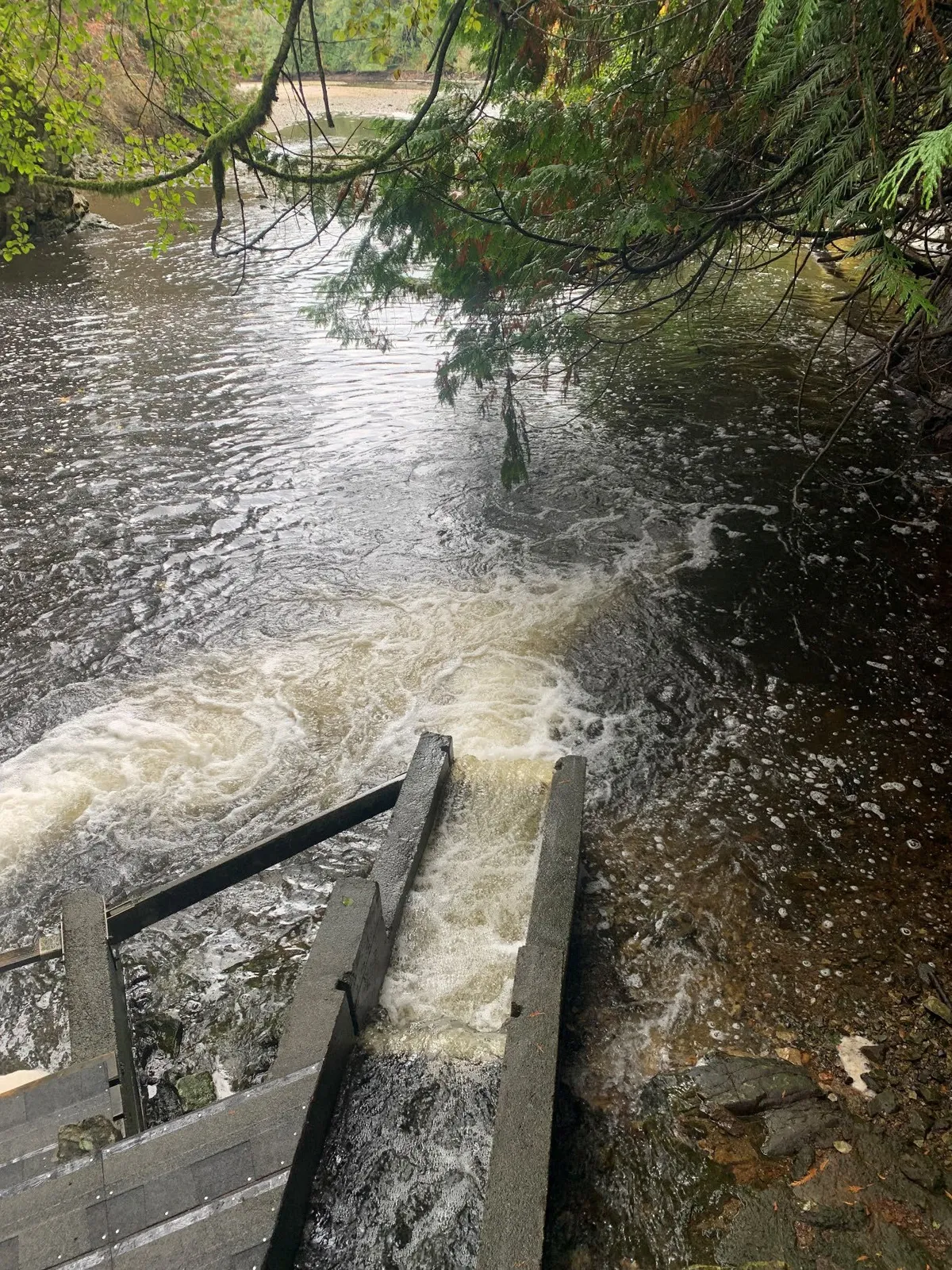
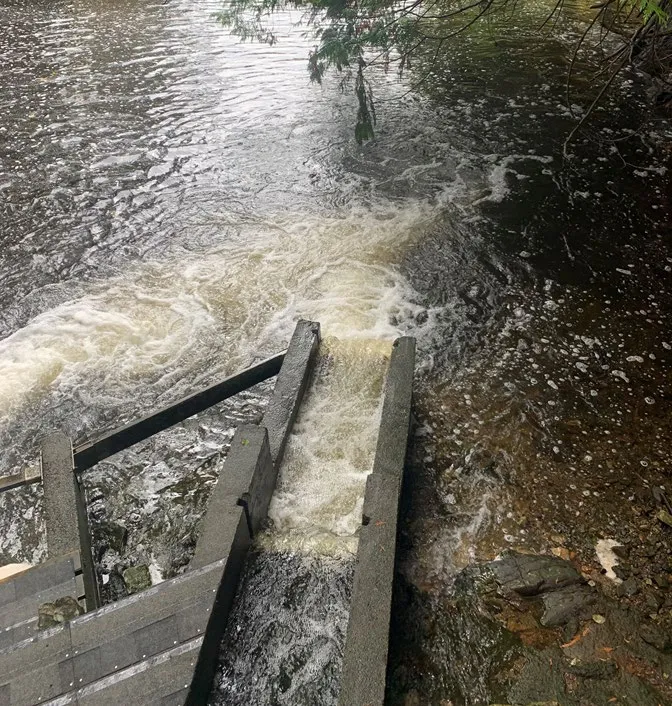
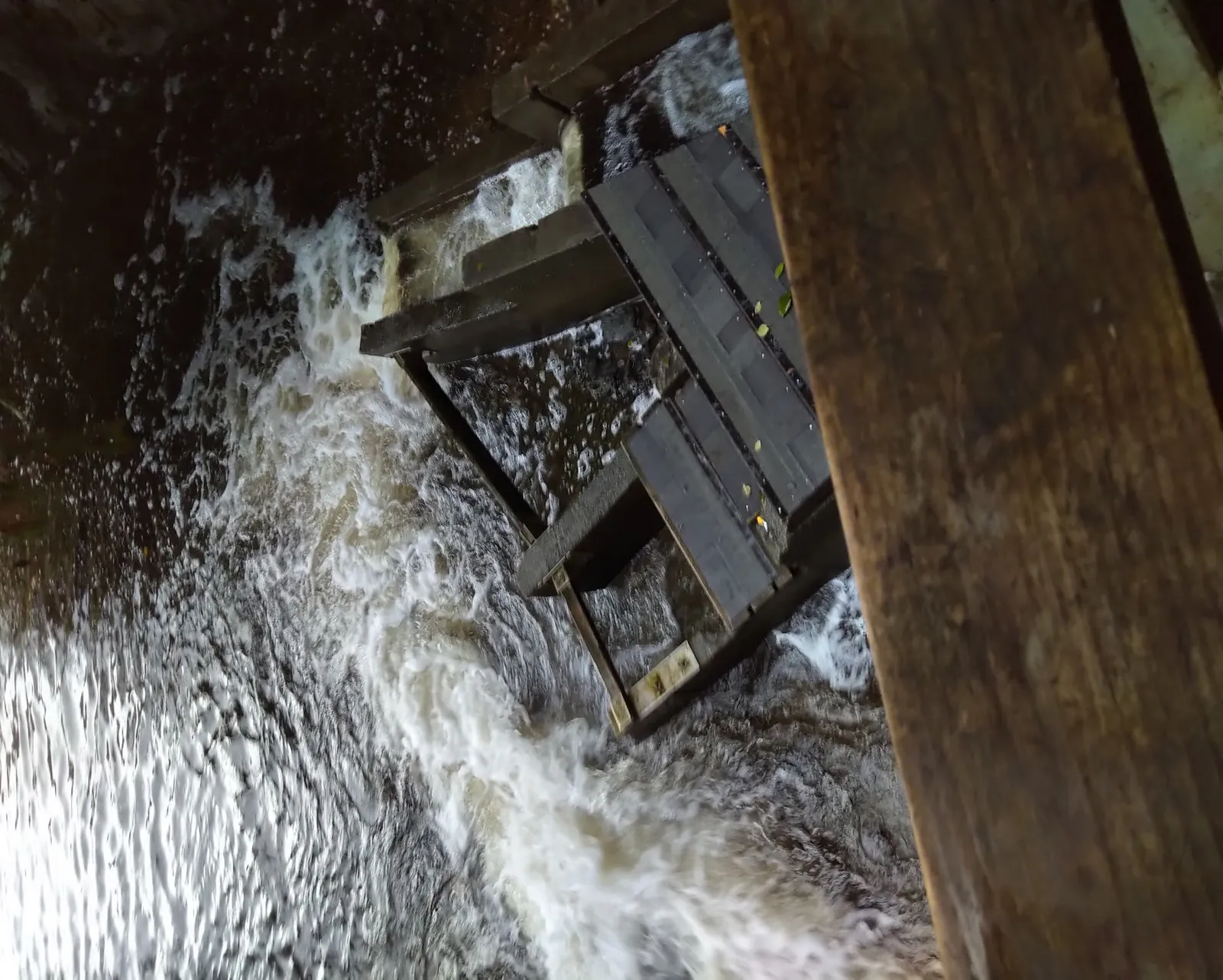
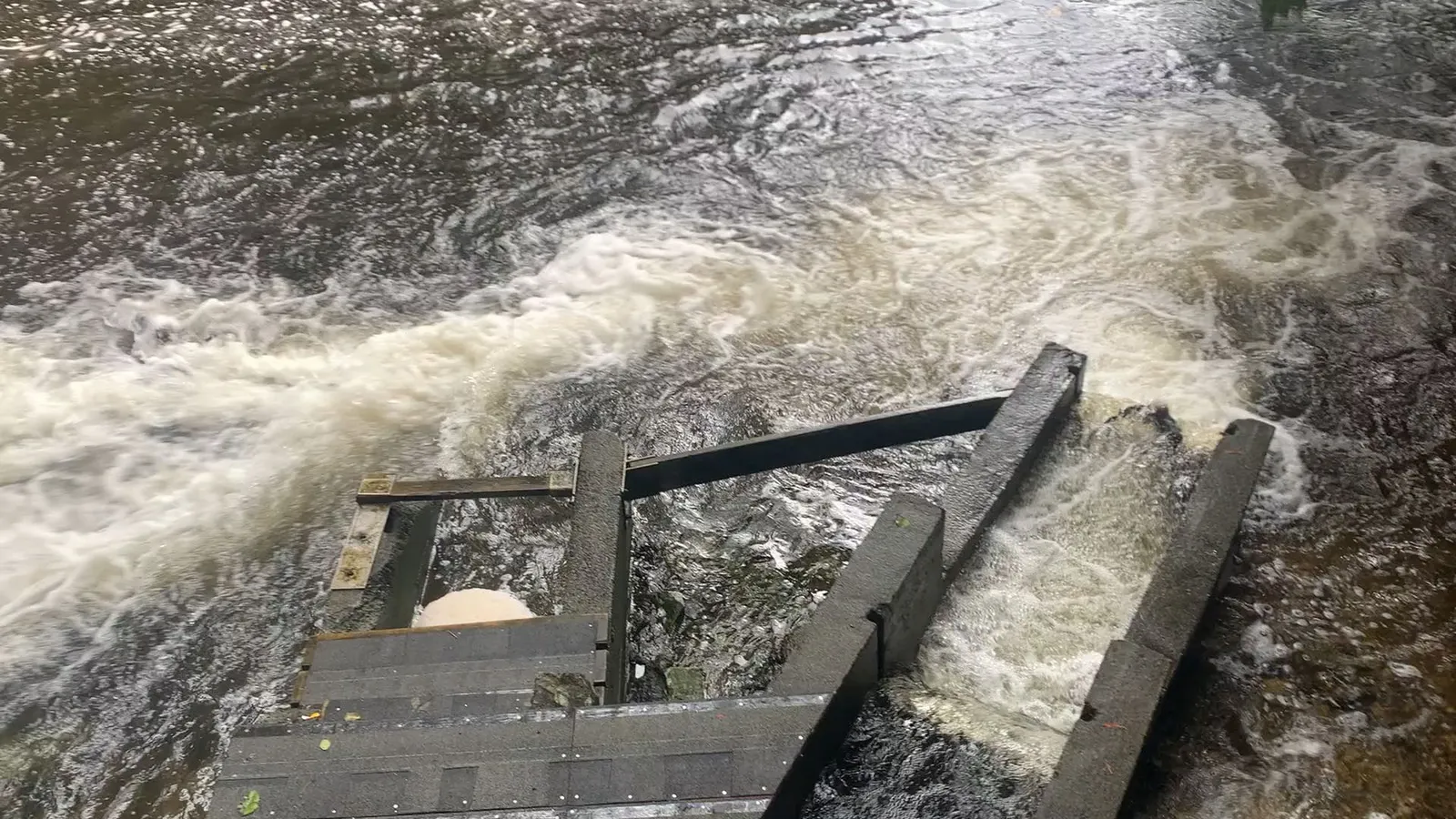
Salmon enter a small, short fish ladder leading into a holding tank below a shed. The old entrance wasn’t aligned with the current; the fish didn’t enter.


The wooden fish ladder structure in the water
Close-up of the entrance to the fish ladder

Sometimes a little guidance helps them go up the ladder.

A volunteer assisting a salmon into the ladder entrance

It’s not perfect

Water rushing over the fish ladder during high flow

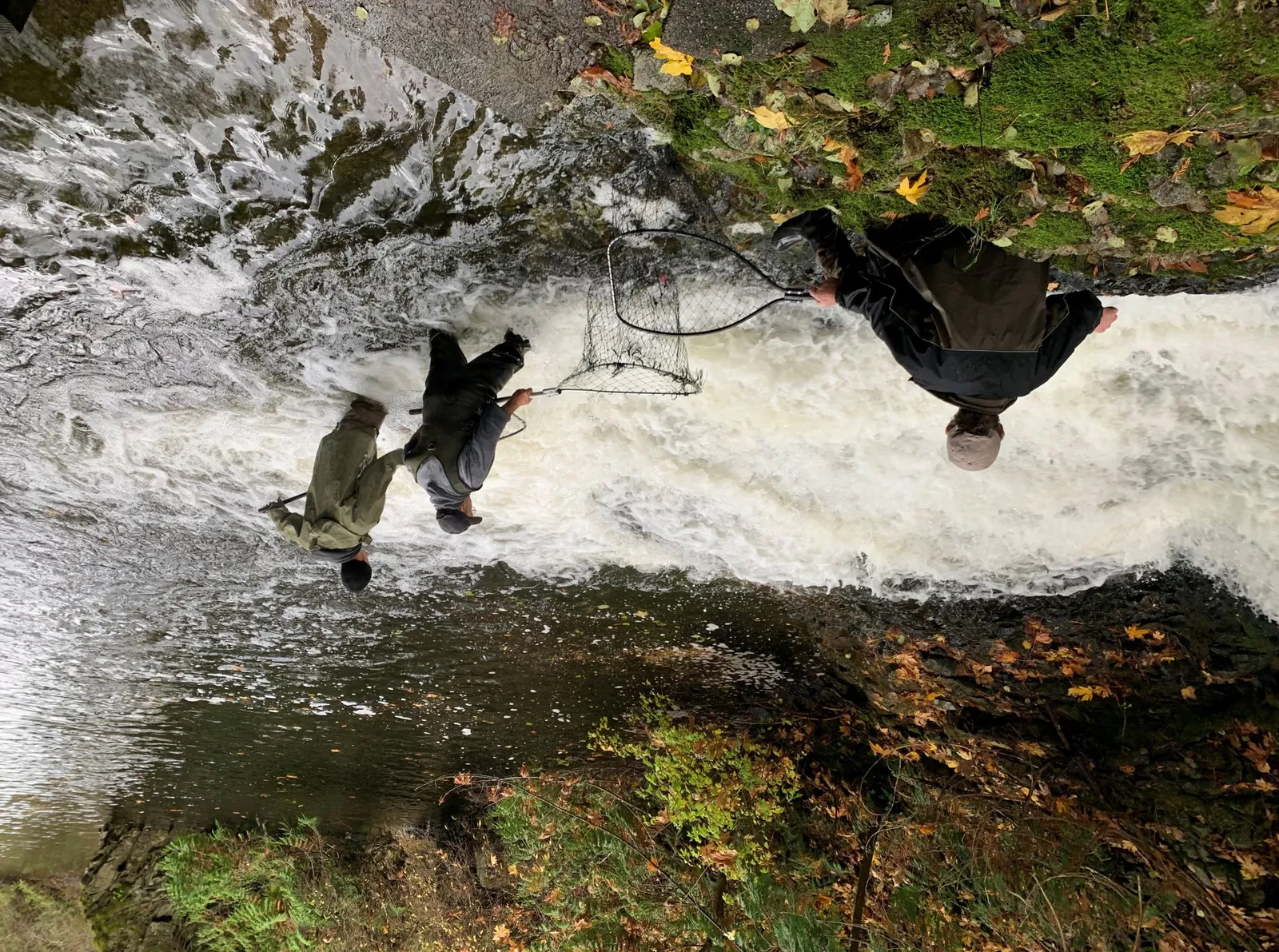
In addition to the ladder, Coho are netted at the base of the falls.

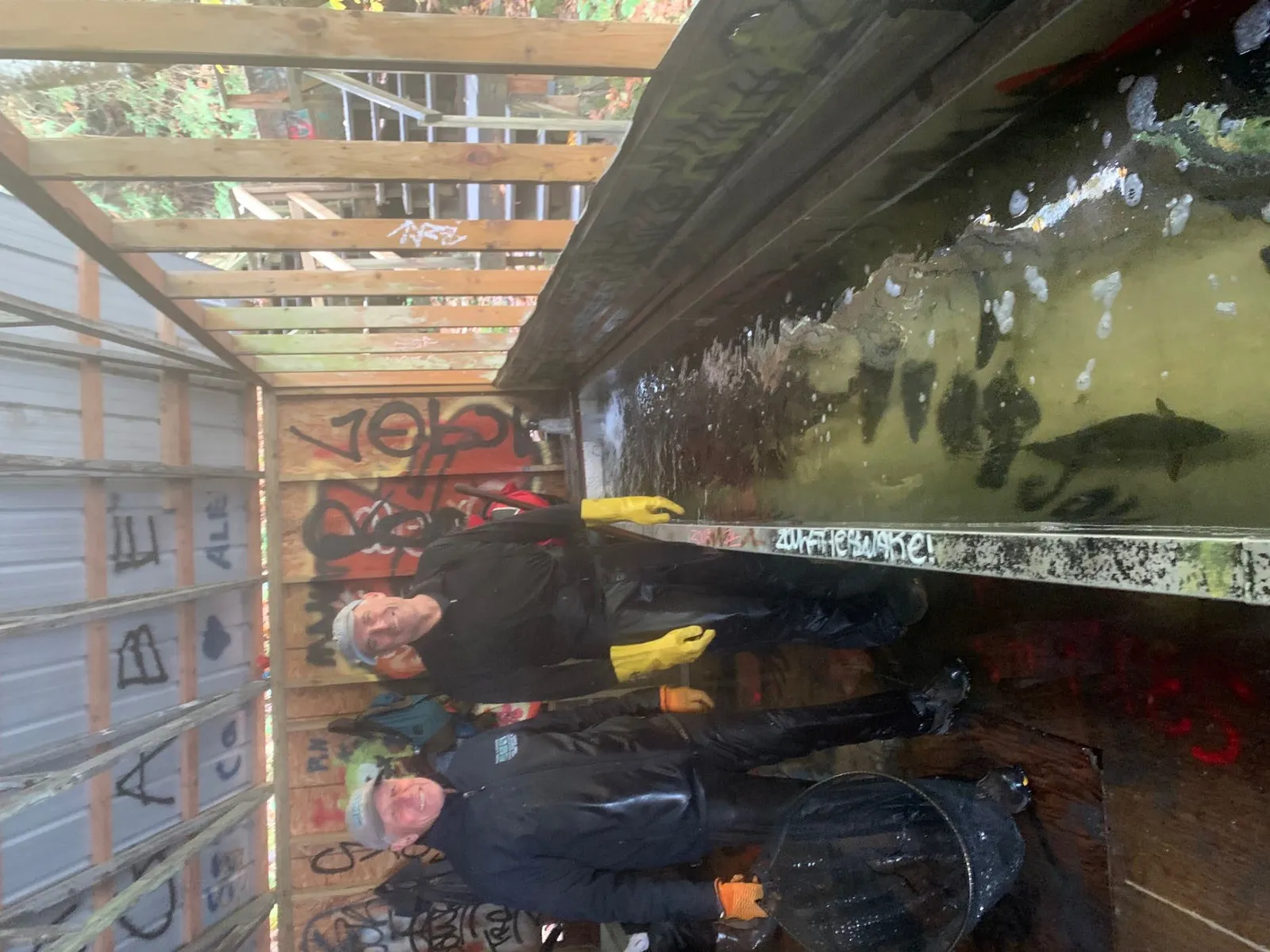
Three volunteers in waders netting salmon in the white water at the base of the falls

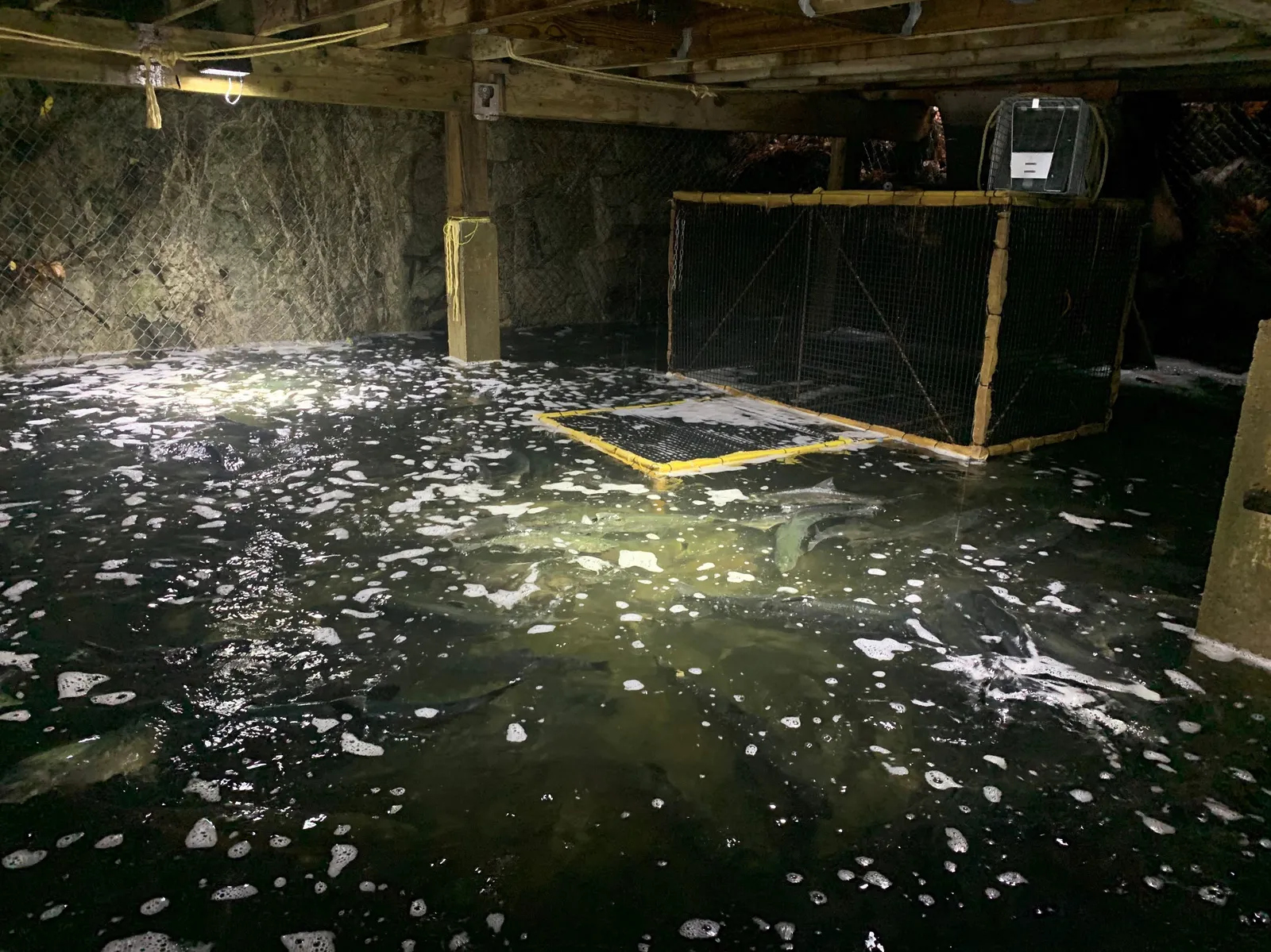
The entrance to the holding tank has a finger baffle which lets them in but not out. Volunteers with chest waders net the Coho in here and pass them to the upper deck.

Inside the holding tank showing numerous salmon swimming in the dark water

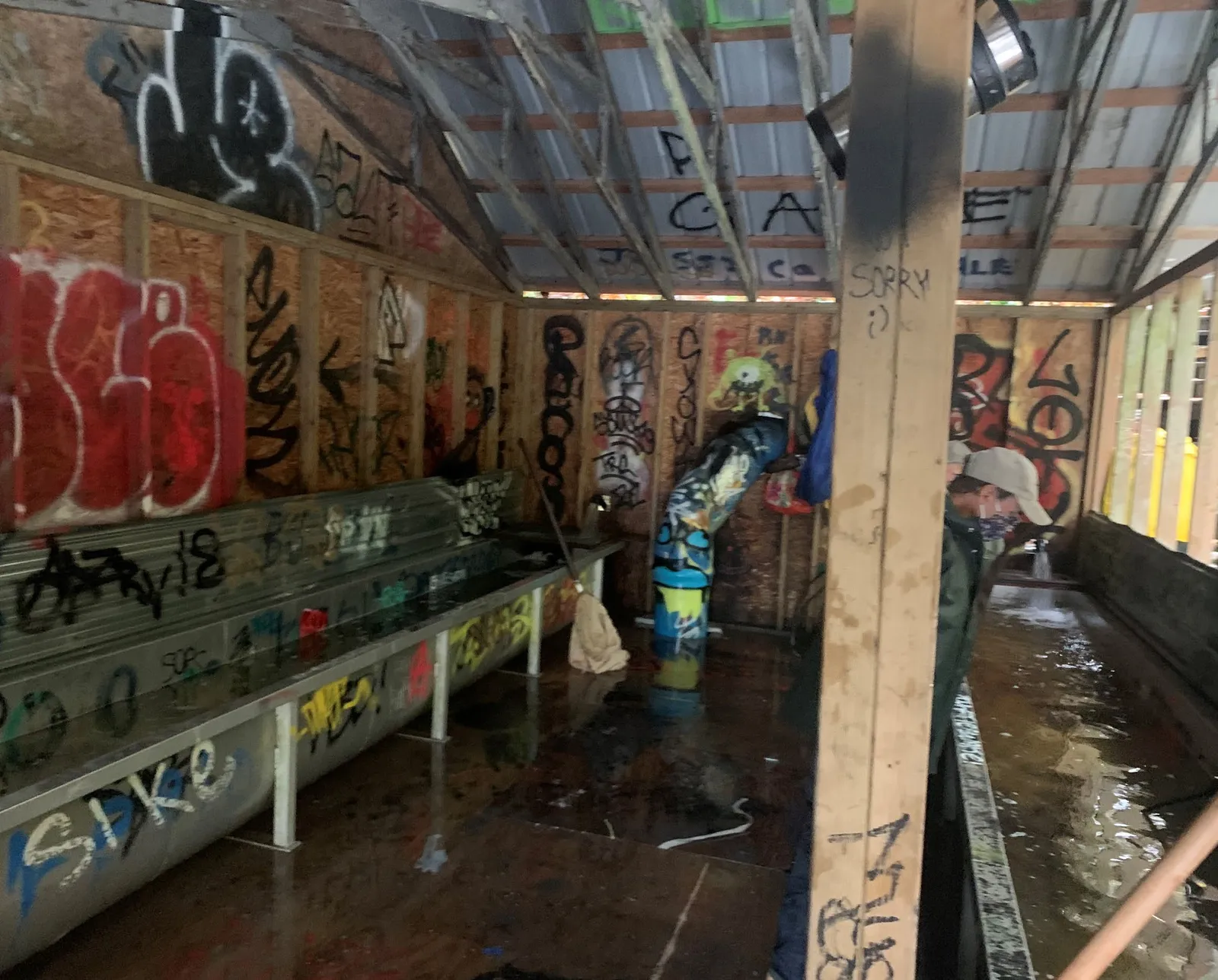
This is the upper, main deck of the shed.

Main deck of the shed showing the sorting troughs and the hatch leading to the holding tank

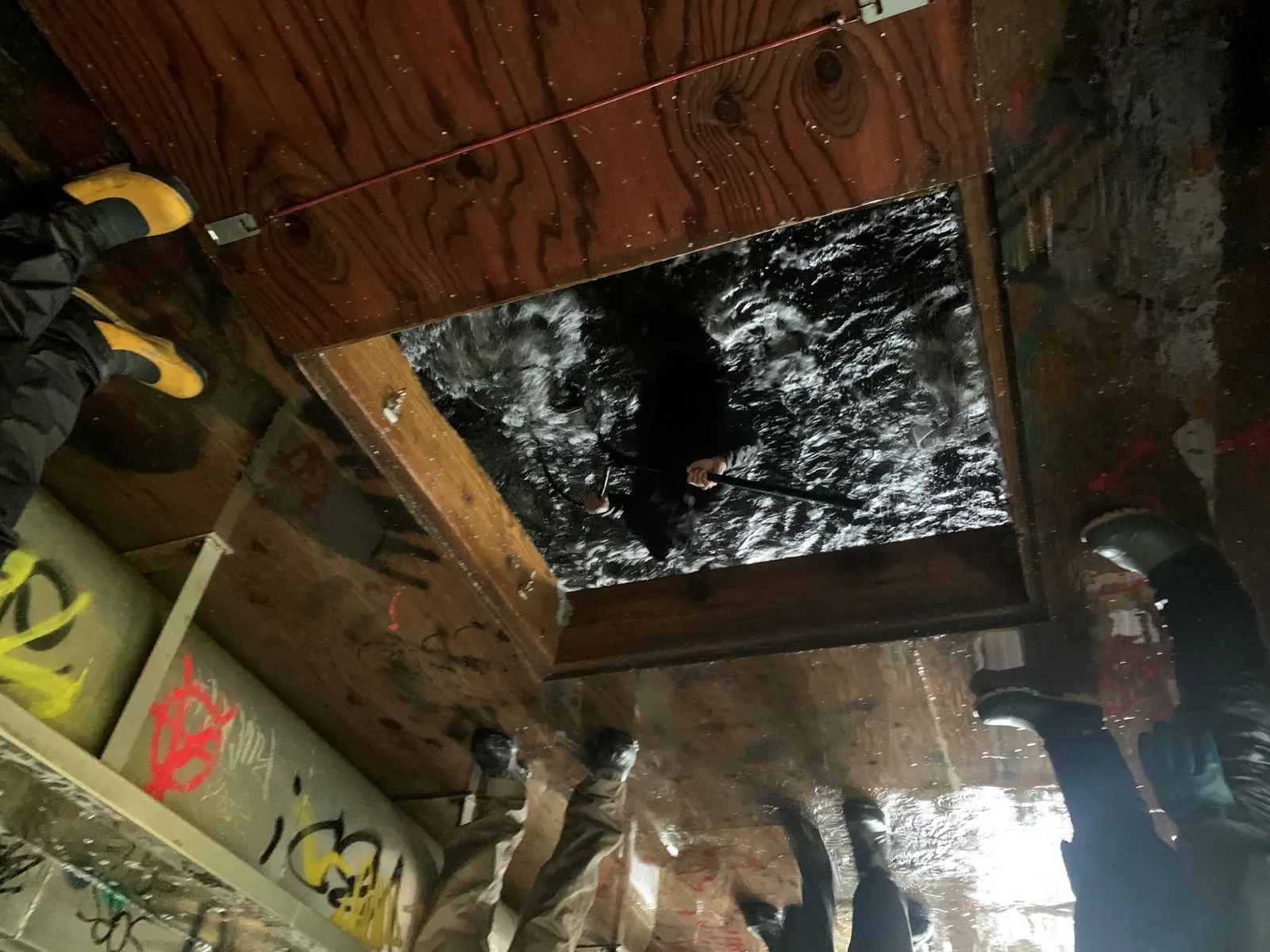
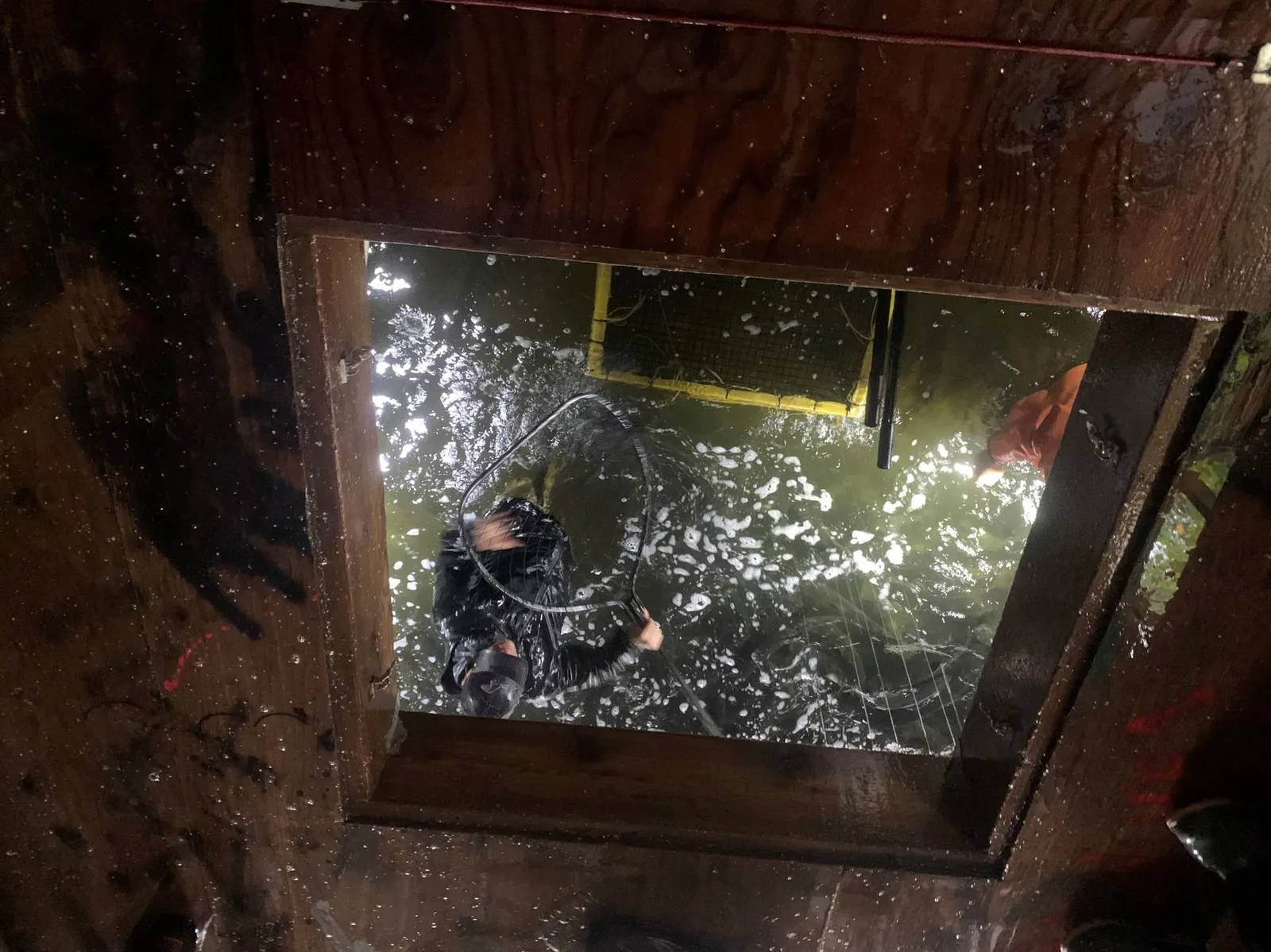
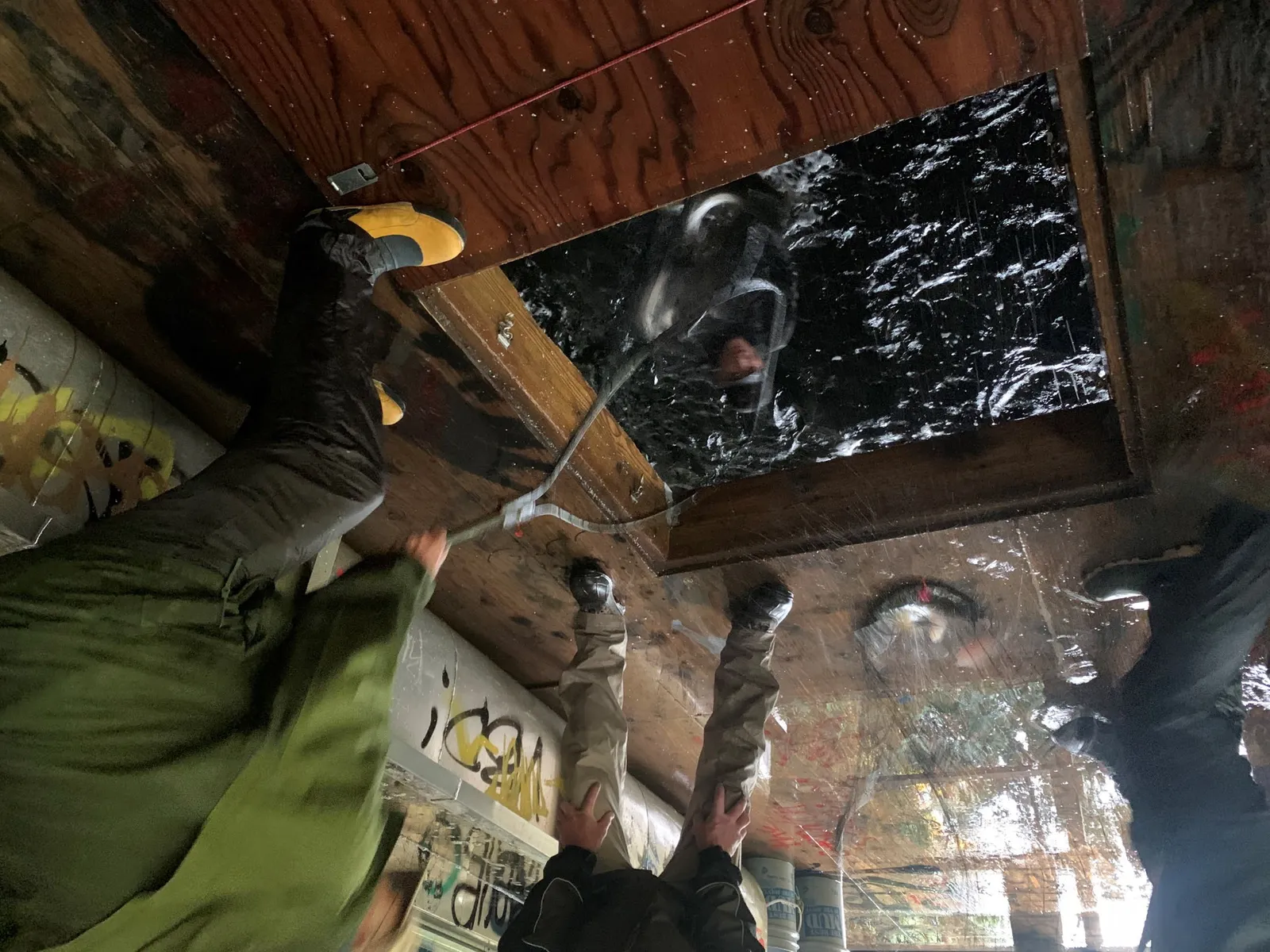
Netting the Coho in the tank and passing them up for transfer to the troughs

Volunteer netting salmon from the holding tank through the floor hatch
View through the floor hatch as salmon are netted for transfer

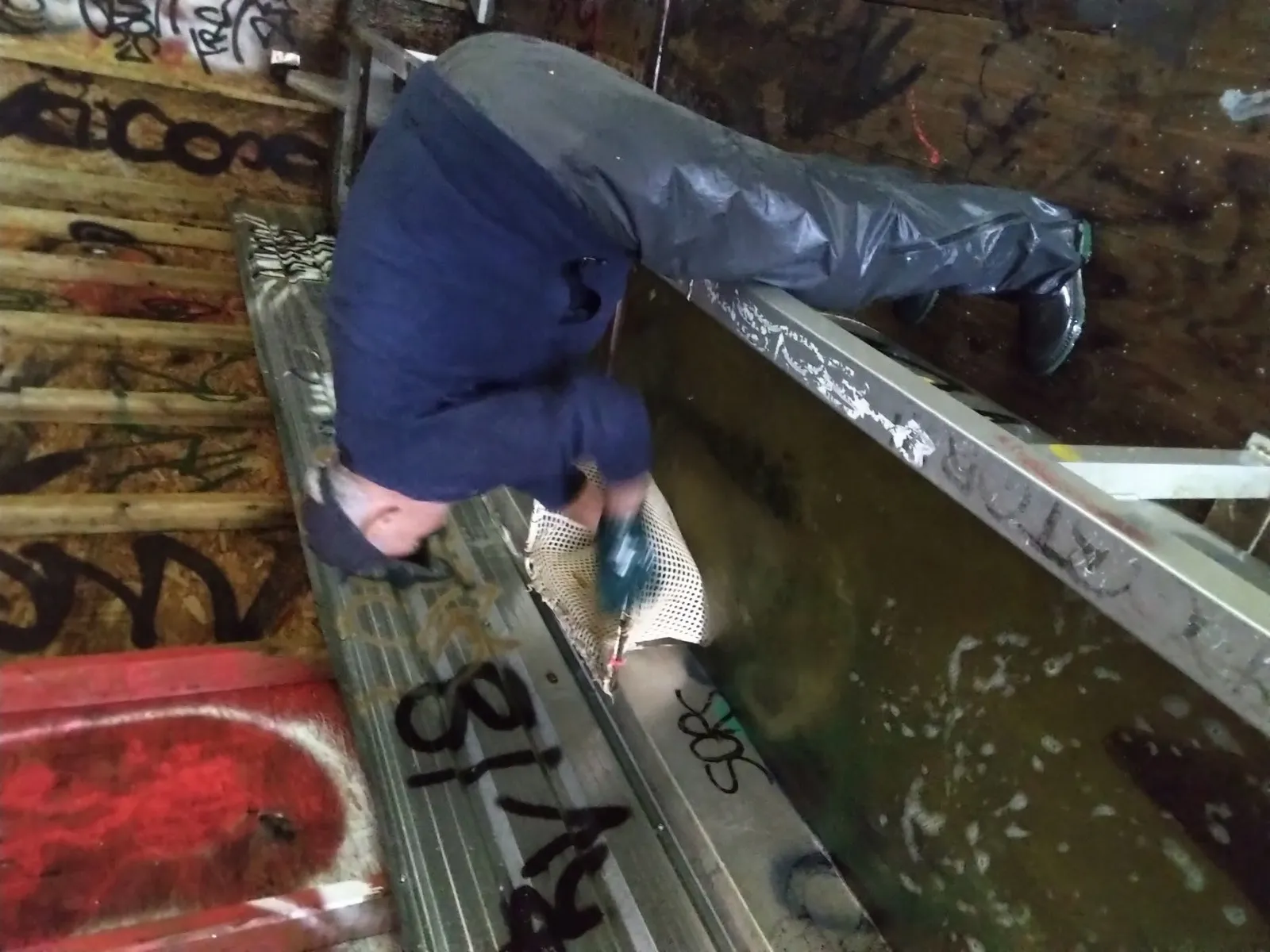
Hoisting them up to the trough. Usually, 3 people below; 3 receive above and put them into the two troughs.

Volunteers hoisting a full net of salmon from the hatch to the troughs

This is the type of net for transfers from the troughs to trolley tank. Looks like the boys missed one!


Volunteer using a specific mesh net to move fish from the trough
Volunteers standing by the trough with a salmon remaining in the water

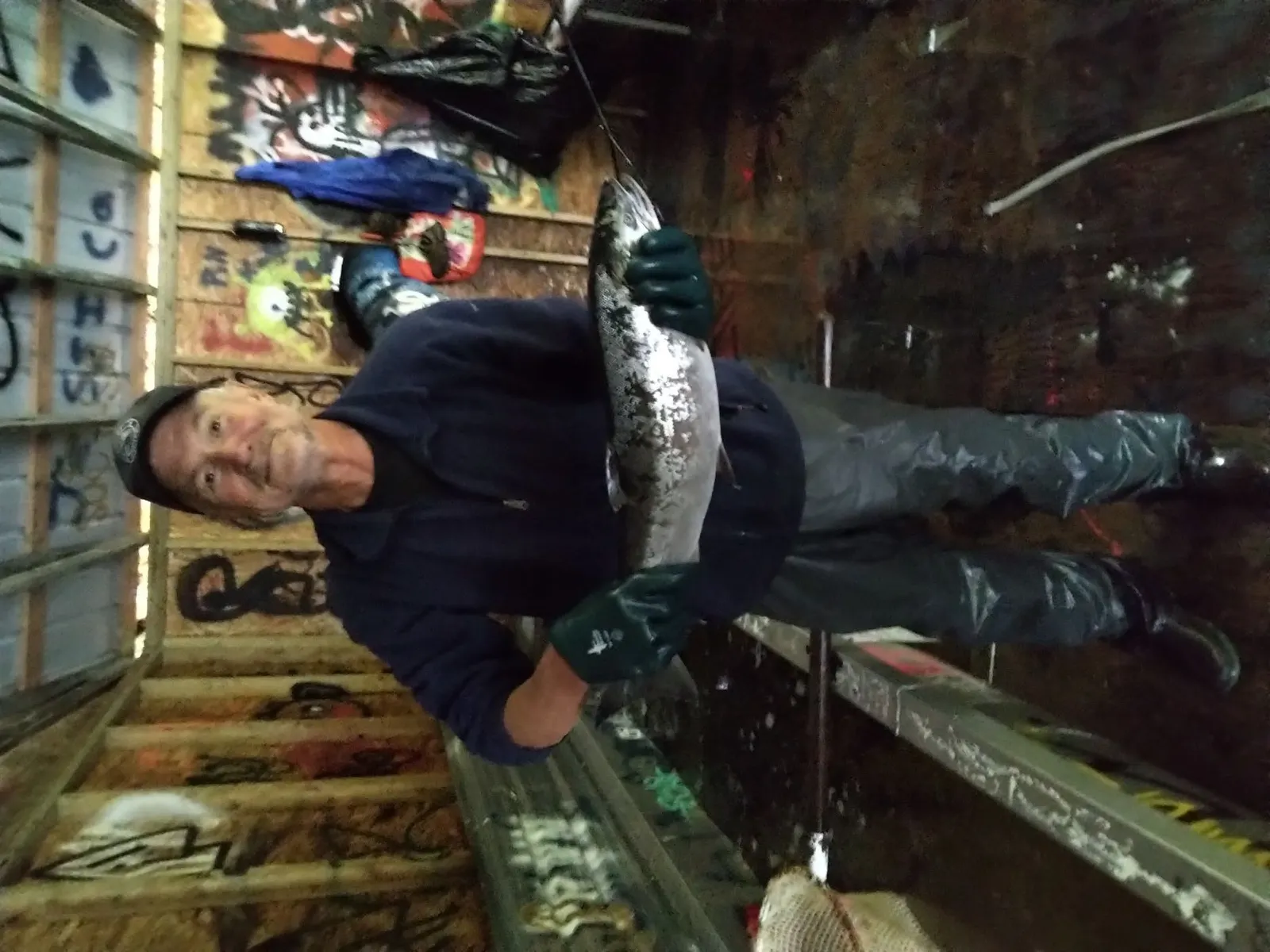
A decent Coho

Volunteer holding a large, healthy Coho salmon captured for transfer

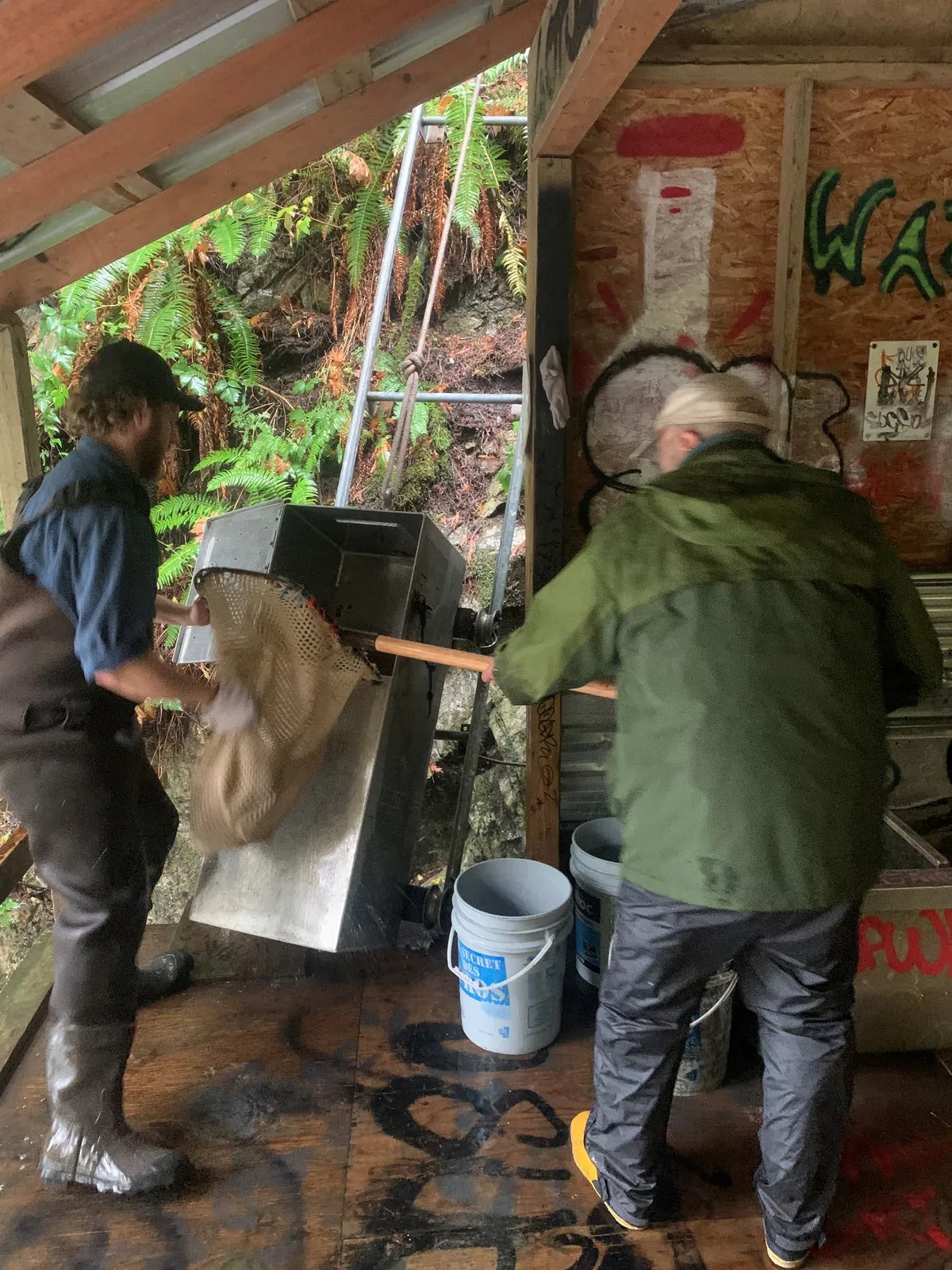
The fish from the 3 scoopers are then loaded into a rectangular trolley tank full of water for transfer to a second team of volunteers on the road above. A scoopful into the trolley tank.


Page 25–52
Extracted from: 2022 05 17 Council Agenda - Agenda - Pdf