TOWN OF VIEW ROYAL COUNCIL REPORT Re: ACTIVE TRANSPORTATION NETWORK PLAN UPDATE
A staff report updating Council on the progress of the Active Transportation Network Plan, highlighting the findings from the first round of public engagement.
ACTIVE TRANSPORTATION NETWORK PLAN UPDATE
TO: Council FROM: Ivan Leung, P.Eng, Director of Engineering & Parks DATE: August 29, 2022 MEETING DATE: September 6, 2022
RECOMMENDATION:
THAT the August 29, 2022 report titled “Active Transportation Network Plan Update” from the Director of Engineering be received for information.
CHIEF ADMINISTRATIVE OFFICER’S COMMENTS:
I concur with the recommendation.
PURPOSE OF REPORT:
The purpose of this report is to update Council on the progress of the Active Transportation Network Plan project (“ATNP”) and to summarize the project’s first round of public engagement.
BACKGROUND AND DISCUSSION:
Council was last apprised of this project at the June 1, 2022 Council meeting, regarding the project’s engagement strategy. The project was at the beginning Phase 2 at the time (Initial Stakeholder and Public Engagement).
Since then, staff and the project consultant Watt Consulting Group (“Watt”) have completed Initial Stakeholder and Public Engagement and provided staff with a “What We Heard Summary Report”. The purpose of this report is to provide an overview of the engagement activities undertaken to date, summarize the feedback from the community, and to identify key takeaways from the first round of engagement.
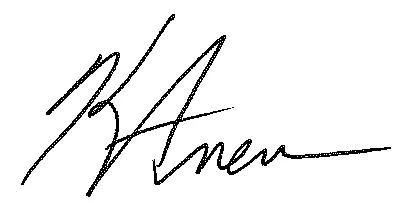
Phase 2 - COMPLETE
Engagement Activities (Round 1): Community Ideas Fair, Online Survey #1, Stakeholder Interviews
Engagement Deliverable: What We Heard Summary #1
Engagement Activities (Round 2): Online Survey #2, Community Bike Shops
Engagement Deliverable: What We Heard Summary #2
Engagement Activities (Round 3): Community Open House
Engagement Deliverable: Feedback Summary
The draft What We Heard Summary Report is attached in full. Below are some highlights of the report findings.
Engagement by the Numbers
The first round of engagement included an online survey, two community ideas fairs, and stakeholder interviews whom were identified in the Community Engagement Plan:
- The online survey received 369 responses
- There were 76 ideas fair participants among two locations (Portage Park and Chancellor Park)
- Watt Consulting Group (“Watt”) successfully conducted 7 stakeholder interviews
Who We Heard From
Data from the online survey indicated that:
- 66% of respondents reside in View Royal, but there were other respondents from the Westshore (9%) and the Greater Victoria Core (24%)
- 50% of respondents were 30-49 years of age
- 37% of respondents indicated that they have children in their household
- 6% of respondents indicated that someone in their household regularly use a mobility device (the draft report indicated 15% and this was confirmed to be an error)
- The top three purposes for walking and cycling amongst the respondents are for exercise, dog/pet walking, and to spend time with family and friends.
- Travelling to work was noted to be high amongst cyclists
Destinations and Getting There
The top destinations within View Royal for survey respondents were:
- Eagle Creek Village (56%)
- Thetis Lake Regional Park (50%)
- Admirals Walk Shopping Centre (46%)
- Portage Park (43%)
The active travel modes used most frequently by survey respondents were:
- Walking (with 64% walking 1-5 times per week to daily)
- Cycling (with 38% cycling 1-5 times per week to daily)
- Electric Bikes (with 20% riding 1-5 times per week to daily)
What We Heard: General Barriers and Desired Improvements
The engagement activities provided the public and stakeholder groups an opportunity to identify issues, gaps and barriers to walking, cycling and rolling within View Royal. Below are some common examples that were identified throughout the engagement process:
Walking and Rolling
The engagement events commonly stated three issues:
- Poor or lack of sidewalks create gaps in the pedestrian network. Filling in the gaps could improve connections to local destinations
- Speed of motor vehicle traffic on major roads makes some existing pedestrian facilities feel unsafe. Stakeholder interviews indicated that this makes active travel uncomfortable on major roads and is a key barrier for walking to school. There is a desire amongst the respondents to provide more separation from motor vehicle traffic (via separated sidewalks and wider sidewalk widths)
- Many road crossings feel unsafe. Respondents stated that this is attributed to long crossing times, more and faster traffic on the roads and less certainty on vehicles stopping at intersections. There was also mention of a desire to improve crossing at the Trans Canada Highway.
Cycling
The engagement events commonly stated three issues:
- It is uncomfortable cycling on arterial and major roads without painted bike lanes. This comment was more prevalent for high volume roads that see faster vehicle speeds. More separation / protection from vehicles, as well as traffic calming measures along these corridors was indicated as desired improvements amongst the respondents.
- There is inadequate protection at intersections (conflicts with pedestrians, vehicular and cyclist traffic). There is a desire to provide better separation and protection from vehicles at intersections.
- There are poor connections to key destinations in View Royal. There is a desire to improvement connectivity and continuity of the cycling network to these destinations. Stakeholder interviews further indicated increased bike parking and wayfinding at or near end destinations as desired improvements.
Trail Connections
The E&N Trail and Galloping Goose Trails are key regional multi use trails that provide a complete separation from vehicular traffic. Key takeaways from respondent and stakeholder comments were as follows:
- Respondents were least satisfied with separation between cyclists and pedestrians, connections between trails / pathways and other bike routes, signage and pavement markings, and maintenance of pathway / trail connections.
- Stakeholder interviews indicated a need to engage and collaborate with neigbouring municipalities, the CRD and Island Rail to provide continuous access to other commercial centres.
- Lighting challenges were also expressed on these trails
Common Gaps
Participants of the online survey and community ideas fairs were given the opportunity to highlight areas on the map where they observed gaps and opportunities in the existing transportation network. These will be incorporated into Watt’s list of improvement options and key priority active transportation projects.
Key Themes, Vision and Guiding Principles
Survey respondents were asked what a future, successful active transportation network look like. Common themes from their responses included:
- One with sidewalks, trails and protected bike lanes that link neighbourhoods and key destinations
- Seamless connections between trails and key destinations, with commercial hubs next to and facing key access points
- Improved safety for all modes and especially for children
- A well-lit active transportation network that includes lighting on trails
- Reduced vehicle traffic with more people choosing to use active transportation
Furthermore, three key principles were important to participants of the stakeholder interviews:
- Safety – BC Transit, West Shore Parks and Recreation, and CRD Parks identified this as a key principle in terms of safety at bus stops and active travel within traffic
- Connectivity – Capital Bike and West Shore Parks and Recreation identified this was a key principle for regional travel and connection trails and routes
- Equity – Capital Bike, BC Transit and View Royal Elementary School identified this as a key principle, especially for travel within the community and when considering active travel to school.
Next Steps
The project will be entering Phase 3 (Network Analysis, Preliminary Strategies and Solutions). Watt will be incorporating the baseline conditions identified in phase 1 with the key themes, vision and guiding principles identified in the What We Heard Summary to provide the following:
- Draft pedestrian and cycling network maps
- Draft pedestrian improvement options
- Draft cross-sections for key road corridors
- Develop a list of priority active transportation projects
- Draft the plan vision and goals
Public engagement in Phase 3 will include an additional online survey and Community Bike Shops.
RECOMMENDATION:
THAT the report titled “Active Transportation Network Plan Update” dated August 29, 2022 from the Director of Engineering be received for information.