Capital Regional District Presentation: Future Housing Priorities & Partnerships
A slide deck overview of the CRD's intent to increase borrowing authority to support affordable housing through land assembly and partnerships.
Capital Regional District
Future Housing Priorities & Partnerships
Consent for Bylaw No. 4551 – Land Assembly, Housing and Land Banking Service Establishment Bylaw No. 1, 2010, Amendment Bylaw No.2, 2023
Purpose
To provide an overview of the Capital Regional District (CRD) Board’s intent to increase its borrowing authority in support of future partnership opportunities related to increasing the supply of affordable, inclusive and adequate housing in the region.

Impacts through Partnership
- Rapid Housing Initiative
- Reaching Home Program
- Growing Communities Fund
- Capital Region Housing Corporation
- Regional Housing First Program

Regional Housing First Program
[Chart: Bar chart showing the number of shelter-rate and affordable units across Victoria, Salt Spring, Sooke, Langford, View Royal, Central Saanich, and Saanich]
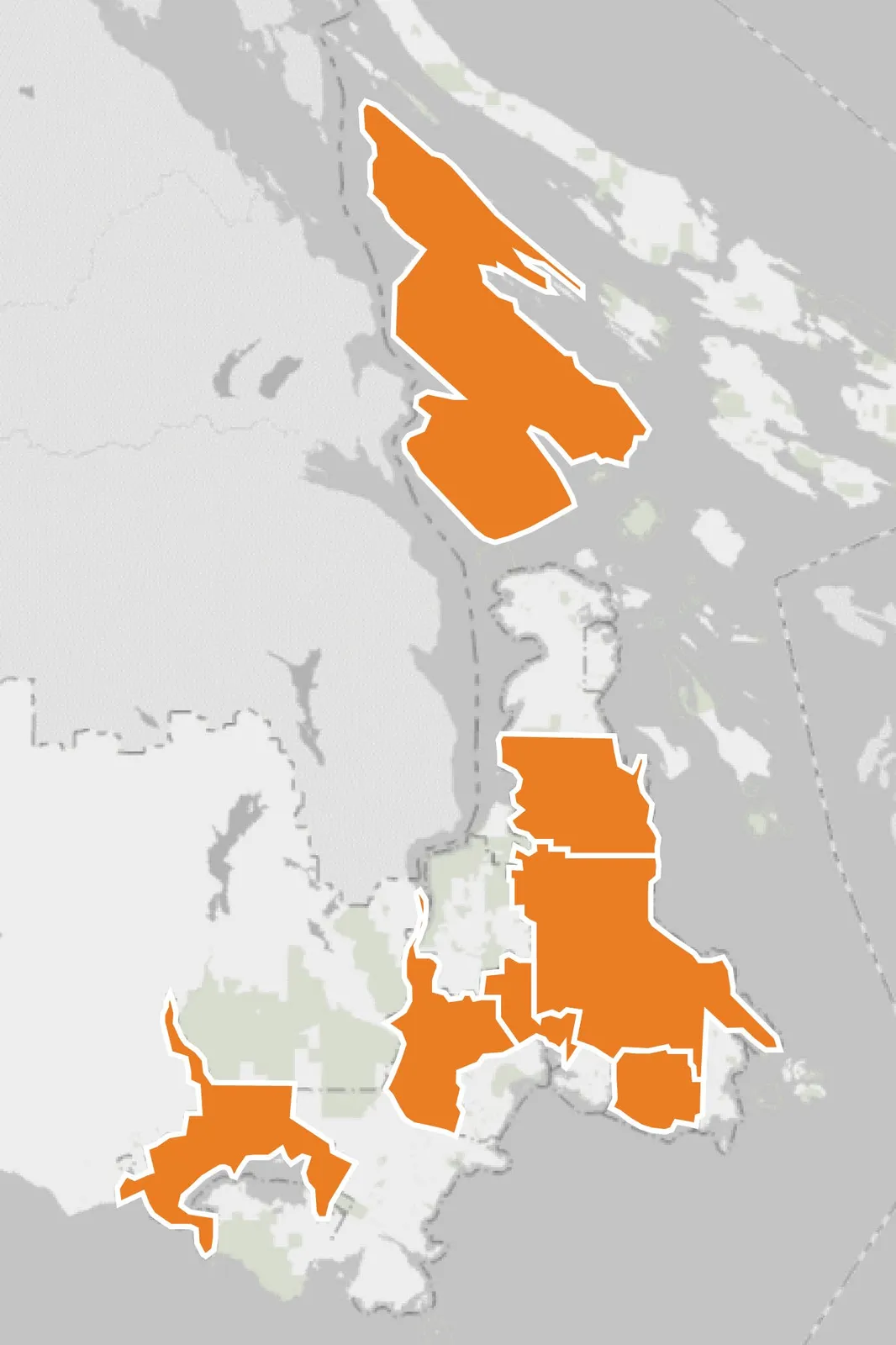
- $111M Invested
- $476M Estimated Cost
- 15 Approved Projects
- 363 Shelter-Rate Units
- 1,480 Total Rental Units
Land Assembly, Housing and Land Banking Service
Example Activities
- Undertake land assembly
- Undertake development and operations
- Identify opportunities to redevelop
- Receive and administer grants
- Administer housing agreements
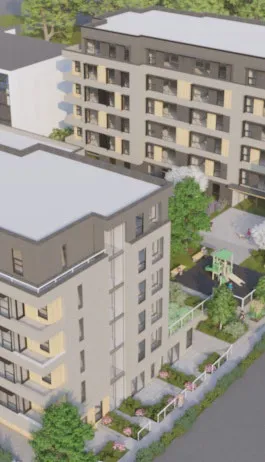
Future Housing Priorities & Partnerships
- An Acquisition Fund to increase and preserve the supply of affordable rental units and create future redevelopment opportunities, purchase of shovel-ready developments or acquire land for development of affordable housing;
- A Rural Housing Strategy to increase, preserve and broaden the supply of affordable housing in small and rural communities, recognizing the need to approach housing solutions in rural communities with different expectations than those used for conventional housing interventions in growing urban regions; and
- An increased supply of housing with supports for people with complex needs currently not adequately supported by the traditional model as a complement to new provincial Complex Care Housing initiative.
On September 13, 2023, the CRD Board voted to advance an amendment to the Land Assembly, Housing and Land Banking Service Establishment Bylaw, which will provide the requisition capacity needed to service borrowing of up to $85M.

Financial Implications

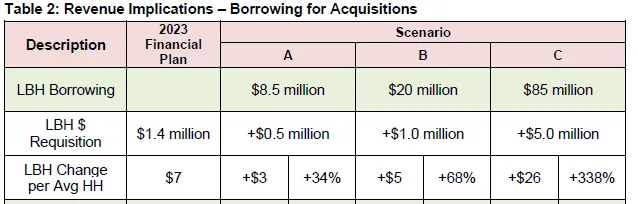
Table 2: Revenue Implications – Borrowing for Acquisitions
| Description | 2023 Financial Plan | Scenario A | Scenario B | Scenario C |
|---|---|---|---|---|
| LBH Borrowing | $8.5 million | $20 million | $85 million | |
| LBH $ Requisition | $1.4 million | +$0.5 million | +$1.0 million | +$5.0 million |
| LBH Change per Avg HH | $7 | +$3 (+34%) | +$5 (+68%) | +$26 (+338%) |
Process
Step 1: Create Capacity
- Establishing Bylaw amendment to increase the allowable annual maximum requisition
- Create a new Loan Authorization Bylaw to enable the borrowing of up to $85M
Step 2: Authorize Debt
- Project-by-project basis, or
- Part of annual service planning and financial plan approval processes
Debt will not be incurred, nor requisition increase, until approved for a specific project or through an annual planning approval process.
Conclusion
- Current requisition capacity fully committed in support of the delivery of almost 1,500 new affordable rental units though the Regional Housing First Program.
- Opportunity to create CRD borrowing capacity of up to $85M in support of advancing efforts to:
- Protect existing Naturally Occurring Affordable Housing and acquire lands suitable for development
- Address housing supply challenges and affordability pressures in rural and remote communities though a Rural Housing Program
- Work in partnership to support complex care housing initiatives
- Leverage borrowing capacity and demonstrate a willingness to invest into partnerships with senior levels of government.
- Debt is expected to be increased over time as partnerships opportunities are identified and specific projects approved, but the capacity to borrow will strategically support the region in incentivising additional or increased investment.

Questions?
Document Images
(1)