BC Energy Step Code - Introduction
Introductory report explaining the BC Energy Step Code, its timeline, and implications for municipal building bylaws.
TOWN OF VIEW ROYAL
Council Report
TO: Mayor and Council
DATE: October 11, 2017
FROM: J. Chow, Senior Planner
MEETING: October 17, 2017
BC Energy Step Code - Introduction
RECOMMENDATION:
THAT the October 11, 2017 report from the Senior Planner titled “BC Energy Step Code - Introduction” be received.
CHIEF ADMINISTRATIVE OFFICER’S COMMENTS:
I concur with the recommendation.
DIRECTOR OF DEVELOPMENT SERVICES’ COMMENTS:
I concur with the recommendation.
DIRECTOR OF PROTECTIVE SERVICES’ COMMENTS:
I concur with the recommendation.
PURPOSE OF REPORT:
To introduce the BC Energy Step Code.
TIME CRITICAL:
Municipalities are conducting research and exploring options over the next few months. If the Town chooses to revise Building Bylaw, No. 786, 2010 to implement the Step Code, six to twelve months’ notice will be required by the Province.
BACKGROUND:
The BC Building Code has traditionally used a prescriptive approach to building construction standards, i.e. setting out minimum requirements for components such as insulation, windows, furnaces, water heaters, and lighting; however, the result has been that buildings sometimes do not perform well in terms of energy efficiency.
In 2008, a performance approach was introduced in the Building Code to address energy efficiency. This allows builders to use any materials or construction methods if they can demonstrate through energy modelling software and on-site testing that both the design and the constructed building will meet the minimum performance requirements of the Building Code. Over the past year, only one dwelling in View Royal has been constructed using the performance based approach.
In 2015, the Building Act was enacted to overhaul the building regulatory system in the Province (except City of Vancouver) and provide consistent regulations in regard to the different climatic, geological and urban density conditions in each region. The changes have continued to roll out since that time. On December 15, 2017 local government bylaws on building efficiency will no longer be enforceable. The Town does not have any bylaw provisions with regard to building efficiency. The solar hot water ready provisions are a provincial enactment that the Town subscribes to. Local governments that wish to set higher building efficiency standards will be required to use the BC Energy Step Code.
DISCUSSION:
Key points of discussion regarding the BC Energy Step Code include the following:
- Why was the BC Energy Step Code enacted?
- What is the BC Energy Step Code?
- How does this affect the Town?
- What does the Town need to do and when?
1. Enactment of the BC Energy Step Code
The heating and cooling of buildings represents 35% of greenhouse gas emissions in the province. To increase building efficiency and reduce emissions, the BC Climate Leadership Plan has a policy to amend the Building Code so that all new construction in BC must be “net-zero ready” starting in 2032.
“Net-zero energy buildings produce as much clean energy as they consume. They are up to 80 percent more energy efficient than a typical new building, and use on-site (or near-site) renewable energy systems to produce the remaining energy they need. A net-zero energy ready building is one that has been designed and built to a level of performance such that it could, with the addition of solar panels or other renewable energy technologies, achieve net-zero energy performance.” (BC Energy Step Code: A Best Practices Guide for Local Governments, 2017)
The National Building Code is also moving towards this measure by 2030 and similar requirements are being implemented around the world:
| Region | Requirement Timeline |
|---|---|
| Europe | 2019 for public buildings; 2020 all new buildings |
| Japan | 2030 for public buildings |
| USA | 2030 for Federal buildings (2020 for all buildings in California) |
In April 2017 after several years of work, the Province of British Columbia adopted the BC Energy Step Code as a regulation change to the BC Building Code that allows local governments to gradually require increased building efficiency over the next 15 years. This would allow time for the construction industry to change and adapt to meet the future requirement of all new construction being net zero energy ready starting in 2032.
2. The BC Energy Step Code
Using the performance based approach, the Step Code sets out “steps”, which are different levels of building efficiency between the current BC Building Code minimum requirement and the net zero energy standard. There are five steps for Part 9 buildings (e.g. houses, and small multi-family/commercial buildings) as shown in Figure 1 and different steps for different types of Part 3 buildings (complex, e.g. apartment buildings (Figure 2), larger commercial buildings).
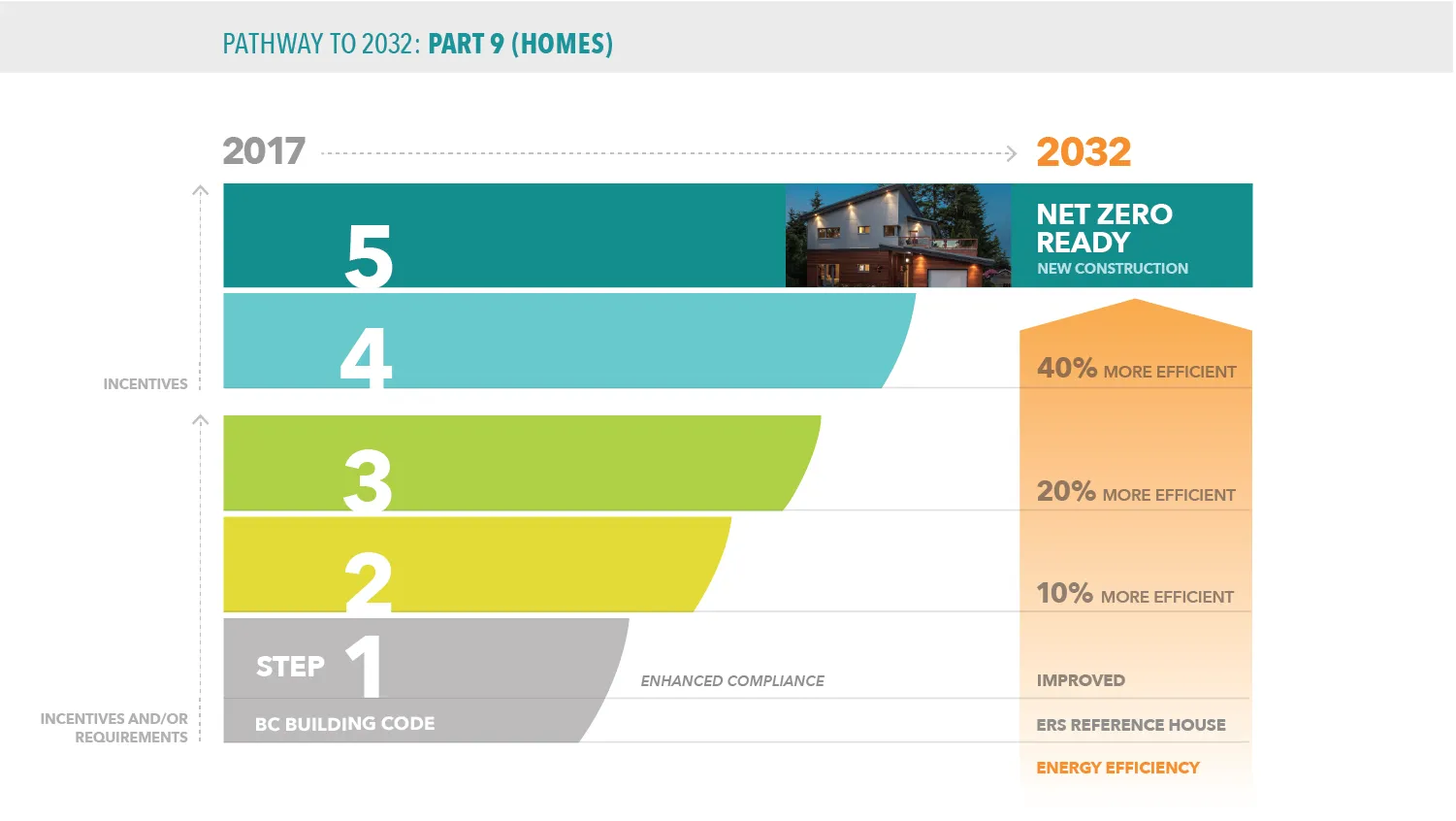
Figure 1. Step Code for houses (Source: Province of BC)
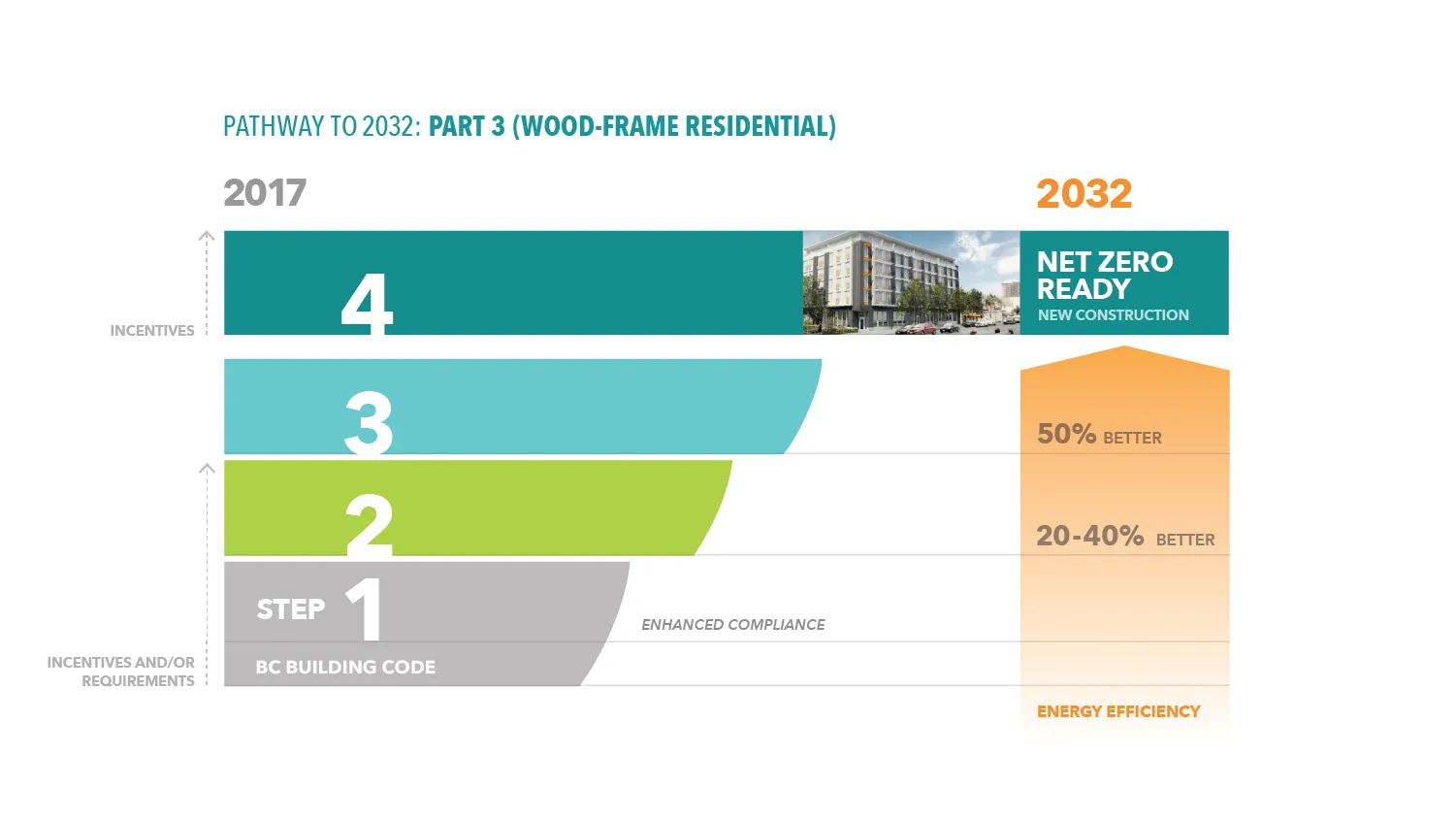
Figure 1. Step Code for wood frame multifamily buildings (Source: Province of BC)
Steps are used to group levels of building efficiency because there are many building performance rating systems. Some are focused on energy performance EnerGuide and Passive House. Others such as LEED, BuiltGreen, and R-2000 include additional factors such as indoor health and local materials. Different levels of these performance rating systems may qualify as different steps in the Step Code.
The key things to note about the Step Code are:
- Local governments can choose which step (if any) to set as a requirement at any time beginning December 15, 2017.
- There are different steps for simple (Part 9) buildings and four steps for complex (Part 3) buildings.
- The Step Code applies to new construction only. Renovations to existing building are excluded.
More information on the Step Code can be found at http://www2.gov.bc.ca/gov/content/industry/construction-industry/building-codes-standards/energy-efficiency/energy-step-code, in particular the document ”BC Energy Step Code: A Best Practices Guide for Local Governments.”
3. Implications for the Town
Implications for the Town include the immediate impacts of the legislation and the need to consider if and how the Step Code might be implemented.
a. Immediate impacts
From April until December 15, 2017, builders can voluntarily choose to apply for a building permit to any step higher than the base BC Building Code. If the building does not meet the step after performance testing, an occupancy permit can still be issued if the minimum BC Building Code requirements are met.
On December 15, 2017, local government bylaws on greater building efficiency will no longer be enforceable. This does not affect the Town because Building Bylaw, No. 786, 2010 does not contain any building efficiency requirements that exceed the Building Code.
After December 15, 2017, the Town can have a building bylaw in place that requires one (or none) of the steps as a minimum standard. Builders can still choose to apply for a building permit to a higher step, but an occupancy permit can be withheld if the local government’s minimum step standard is not met.
If the Town chooses to do nothing at this time, the Building Code will continue to evolve, and by 2032 the Building Code will require that all new buildings meet the net zero energy standard. What is not clear at this time is how rapidly the province will advance further amendments to the Building Code to implement the Step Code between now and 2032.
b. Considering the Step Code
The Provincial Policy states that there will be a transition period of at least three years (2017–2020), during which time there will be preliminary support to communities as they learn to apply the regulation. This policy also states that local governments should only adopt the Upper Steps (Steps 4 and 5 for Part 9 buildings) in specific circumstances and in conjunction with appropriate incentives during the transition period.
The Town has been a leader as an early signatory of the Climate Action Charter and has consistently achieved carbon neutral operations. There are objectives and policies in the 2011 Official Community Plan, development permit guidelines, and the 2012 Community Climate Action Plan that support building efficiency to reduce community wide greenhouse gas emissions; however, if implementation of the Step Code is to be contemplated, considerations should be made for impacts on staff capacity, resources, administrative processes, the building industry, and property owners. There has been much conjecture on the potential impacts of the Step Code and more reliable information is forthcoming.
The Town is centrally located within a larger metropolitan area with builders that work within multiple jurisdictions. Councils and staff from some of the other local governments in the region have expressed interest in seeing if there is a possibility of achieving regional consistency and establishing a level playing field. Building Officials have been meeting regularly to understand potential impacts.
The CRD Climate Action Program with BC Hydro funding is also coordinating regional engagement as follows:
| Engagement Activity | Timeline |
|---|---|
| Survey of local industry builders and readiness | Ended September 15, results forthcoming |
| Building Inspectors working session (template application forms, understanding reports) | TBD (~ Oct. 18-20) |
| Energy Efficiency building tour for elected officials | Nov. 10, 2017 |
| Policy and implementation working session | TBD (~ Nov. 28-Dec.1) |
| Realtors workshop | TBD |
The energy efficiency building tour may be of interest to members of Council. Staff can provide further details once they are available.
4. Next Steps
It is recommended that staff update Council on options and implications regarding the Step Code following: a. the receipt of further information from the Province, b. further discussion with regional counterparts, and c. industry survey results and educational/working sessions organized by the CRD.
It should be noted that the Provincial policy for a building bylaw incorporating the Step Code to come into effect will require:
- Consultation with the local building industry
- Six months’ notice to require Step 1
- Twelve months’ notice to require Step 2 and higher
There would also be protection for in stream Development Permits and Building Permits.
BUDGET IMPLICATIONS:
None at this time.
RECOMMENDATION:
THAT the October 11, 2017 report from the Senior Planner titled “BC Energy Step Code - Introduction” be received;
SUBMITTED BY:
J. Chow, Senior Planner
REVIEWED BY:
L. Chase, Director of Development Services
Document Images
(2)