Restoration and compensation for construction damage at 237 Anya Lane - Biologists Report
A report from Swell Environmental Consulting outlining the restoration and compensation steps for vegetation loss in the Environmental Development Permit Area.
Attn: Dave Cung 3838 TransCanada Hwy. Victoria, BC V8P 3C8
October 25, 2013
RE: Restoration and compensation for construction damage at 237 Anya Lane
On September 5, 2013 Sara Stallard, BSc., AScT. visited 237 Anya Lane to assess damage that had occurred during construction within the Environmental Development Permit Area. It was observed that trees and understory vegetation intended for protection had been damaged during the construction process, and fill had been added to an area of the lower field in excess of the original proposal. Talbot McKenzie & Associates have assessed the tree damage and will provide recommendations for tree-related mitigation.
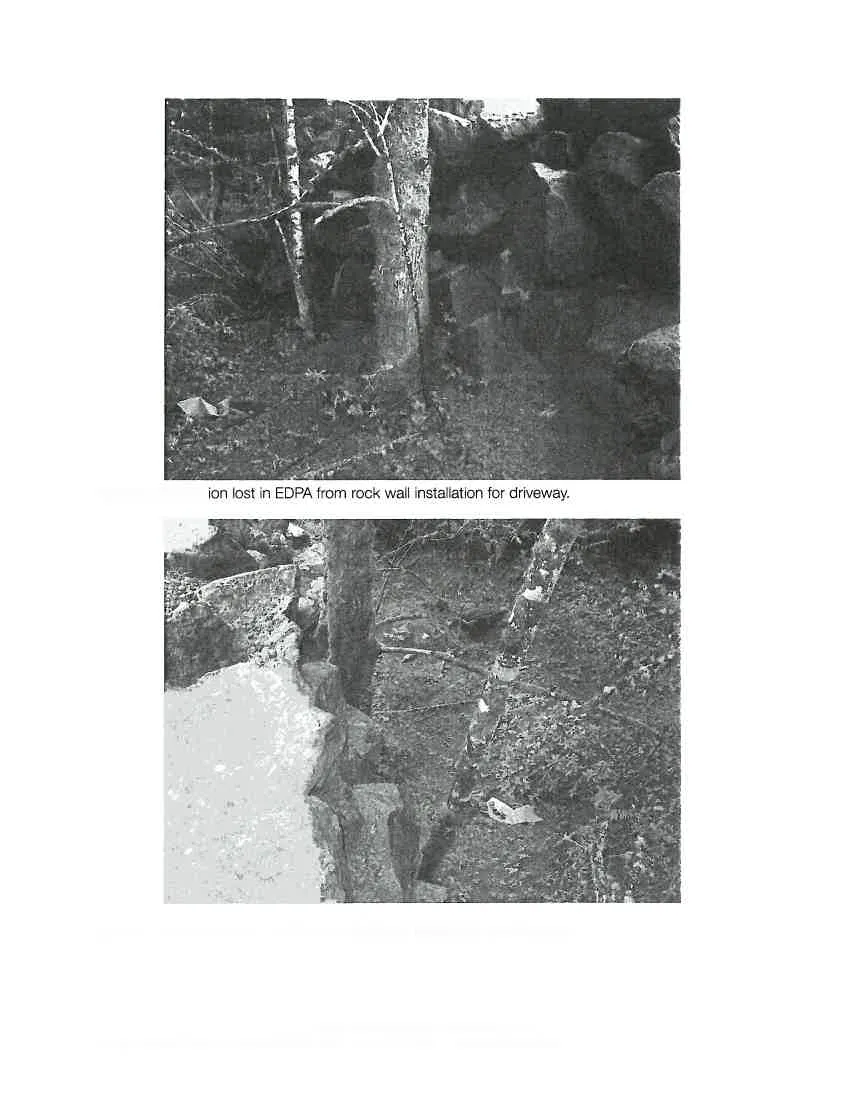
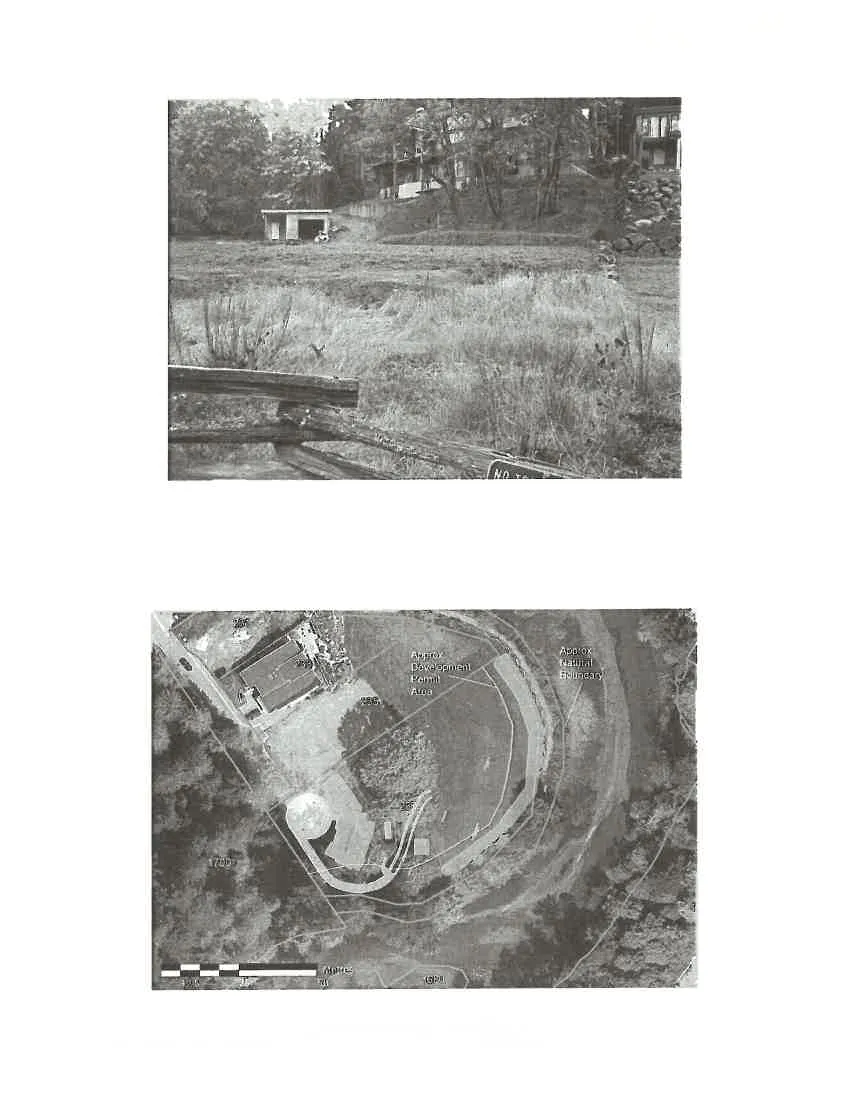
Damage to the understory vegetation along the expanded road edge was observed (Figures 1-4). It is estimated that approximately 50-100 m2 of vegetation was removed or damaged in the EPDA during construction, over and above that which was already proposed within the development proposal, through the construction of the driveway to the lower field, widening of the road, installation of stacked boulder walls, and clearing. Additionally, fill has been added to the lower field; however, this area consisted of agricultural grasses and invasive plants (primarily Scotch broom) (estimate approximately 200 m2 of area filled beyond that identified in the proposal). Some of this loss is permanent where the wall and road construction occurred and some is potentially temporary, such as vegetation clearing on the slopes.
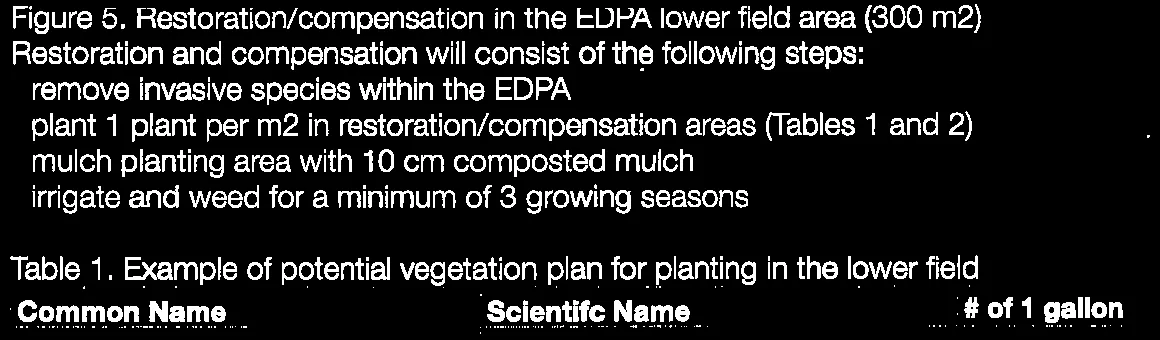
Mitigation for the damage in the EDPA during construction is proposed as shown on Figure 5 with restoration of 300 m2 of the lower Environmental Development Permit Area (lower field) along Millstream Creek, which is also consistent with the owner’s original compensation proposal from the Swell Environmental Consulting Ltd. Report from April 12, 2013.
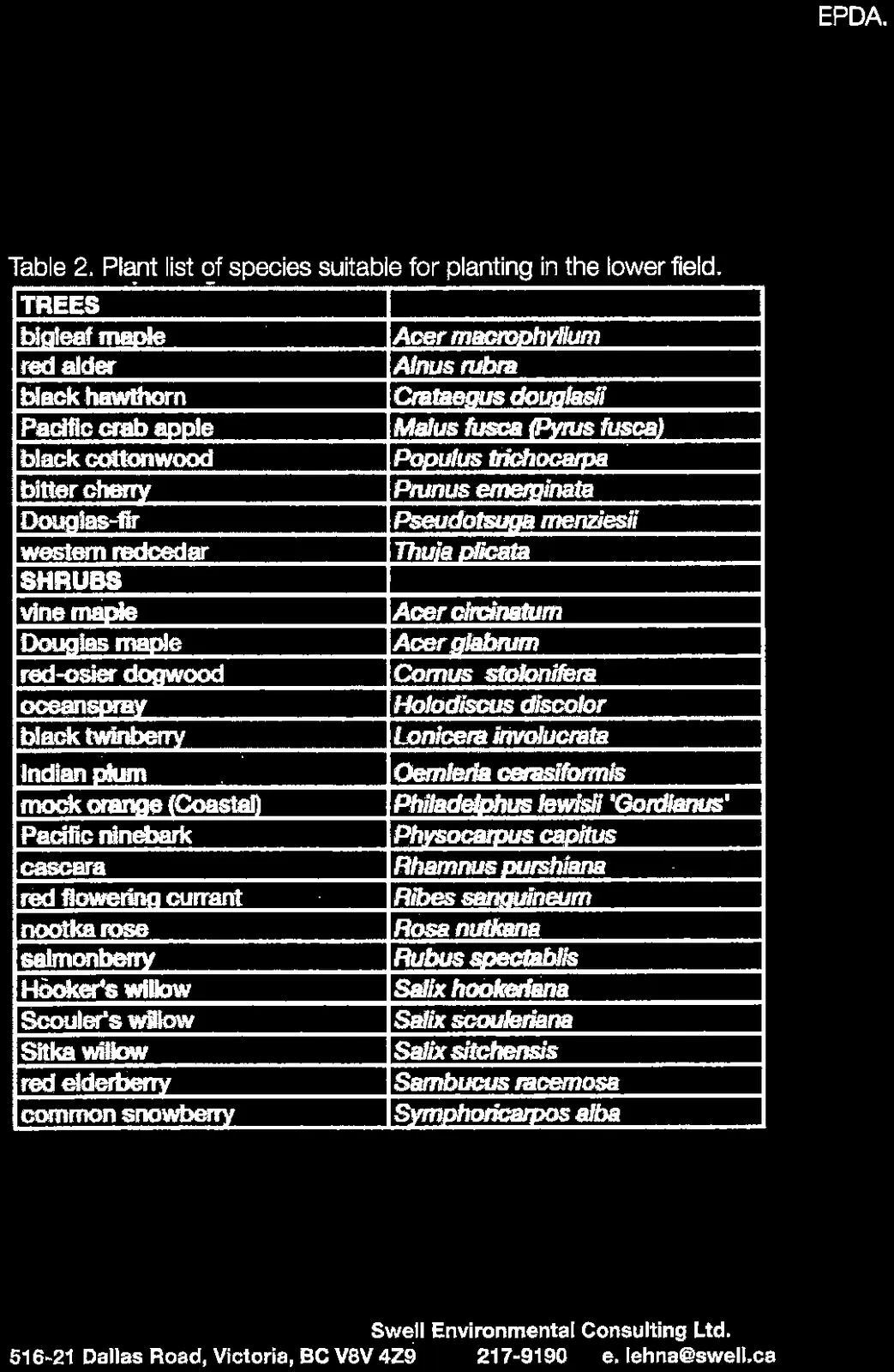
Figure 5. Restoration/compensation in the EDPA lower field area (300 m2)
Restoration and compensation will consist of the following steps:
- remove invasive species within the EDPA
- plant 1 plant per m2 in restoration/compensation areas (Tables 1 and 2)
- mulch planting area with 10 cm composted mulch
- irrigate and weed for a minimum of 3 growing seasons
Table 1. Example of potential vegetation plan for planting in the lower field EPDA.
| Common Name | Scientific Name | # of 1 gallon pots |
|---|---|---|
| red-osier dogwood | Cornus stolonifera | 100 |
| native willows: Hooker's, Pacific, Scouler's Sitka | Salix hookeriana, lucida (lasiandra), scouleriana, sitchensis | 100 |
| hardhack | Spirea douglasii | 100 |
| TOTAL | 300 |
Table 2. Plant list of species suitable for planting in the lower field.
| TREES | |
|---|---|
| bigleaf maple | Acer macrophyllum |
| red alder | Alnus rubra |
| black hawthorn | Crataegus douglasii |
| Pacific crab apple | Malus fusca (Pyrus fusca) |
| black cottonwood | Populus trichocarpa |
| bitter cherry | Prunus emarginata |
| Douglas-fir | Pseudotsuga menziesii |
| western redcedar | Thuja plicata |
| SHRUBS | |
| vine maple | Acer circinatum |
| Douglas maple | Acer glabrum |
| red-osier dogwood | Cornus stolonifera |
| oceanspray | Holodiscus discolor |
| black twinberry | Lonicera involucrata |
| Indian plum | Oemleria cerasiformis |
| mock orange (Coastal) | Philadelphus lewisii 'Gordianus' |
| Pacific ninebark | Physocarpus capitatus |
| cascara | Rhamnus purshiana |
| red flowering currant | Ribes sanguineum |
| nootka rose | Rosa nutkana |
| salmonberry | Rubus spectabilis |
| Hooker's willow | Salix hookeriana |
| Scouler's willow | Salix scouleriana |
| Sitka willow | Salix sitchensis |
| red elderberry | Sambucus racemosa |
| common snowberry | Symphoricarpos alba |
Estimated cost for the restoration/compensation is approximately $4000 (plants and installation $3000, irrigation $500, mulch $500).
Provided the restoration/compensation steps as described in this document are completed and maintained, the loss of vegetation within the EDPA will be mitigated.
Please contact us with any questions.
Sincerely,
Lehna Malmkvist, MSc, RPBio (#1613)
Sara Stallard BSc, AScT (#22338), Dipl.Env.Tech.
Document Images
(8)