Atkins Road Sidewalk Proposal (Presentation)
Detailed presentation by community residents outlining the hazards and safety needs for a sidewalk extension on Atkins Road.
Atkins Road Sidewalk Proposal
November 10, 2020
Acknowledgment
We respectfully acknowledge the Lək̓ʷəŋən (Lekwungen) people on whose traditional territory we live, and the Songhees, Esquimalt, and WSÁNEĆ peoples of the Coast Salish Nation whose historical relationships with this land continues today.
Who are we?
- Community members & residents along Atkins Road.
- Represent more than 45 residents of surrounding community.
- Only a few days of canvassing drew significant support.
- Not captured were visitors, commuters, and those who were unavailable at the time of solicitation.
What’s the request?
- A sidewalk extension to provide safer access to parks, trails and local amenities.
- For consideration over fiscal years 2021/22 & 2022/23.
- Phased approach
- Research, design, implementation.
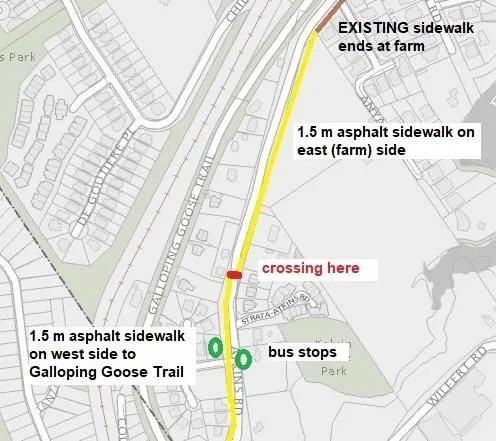
Is there a need?
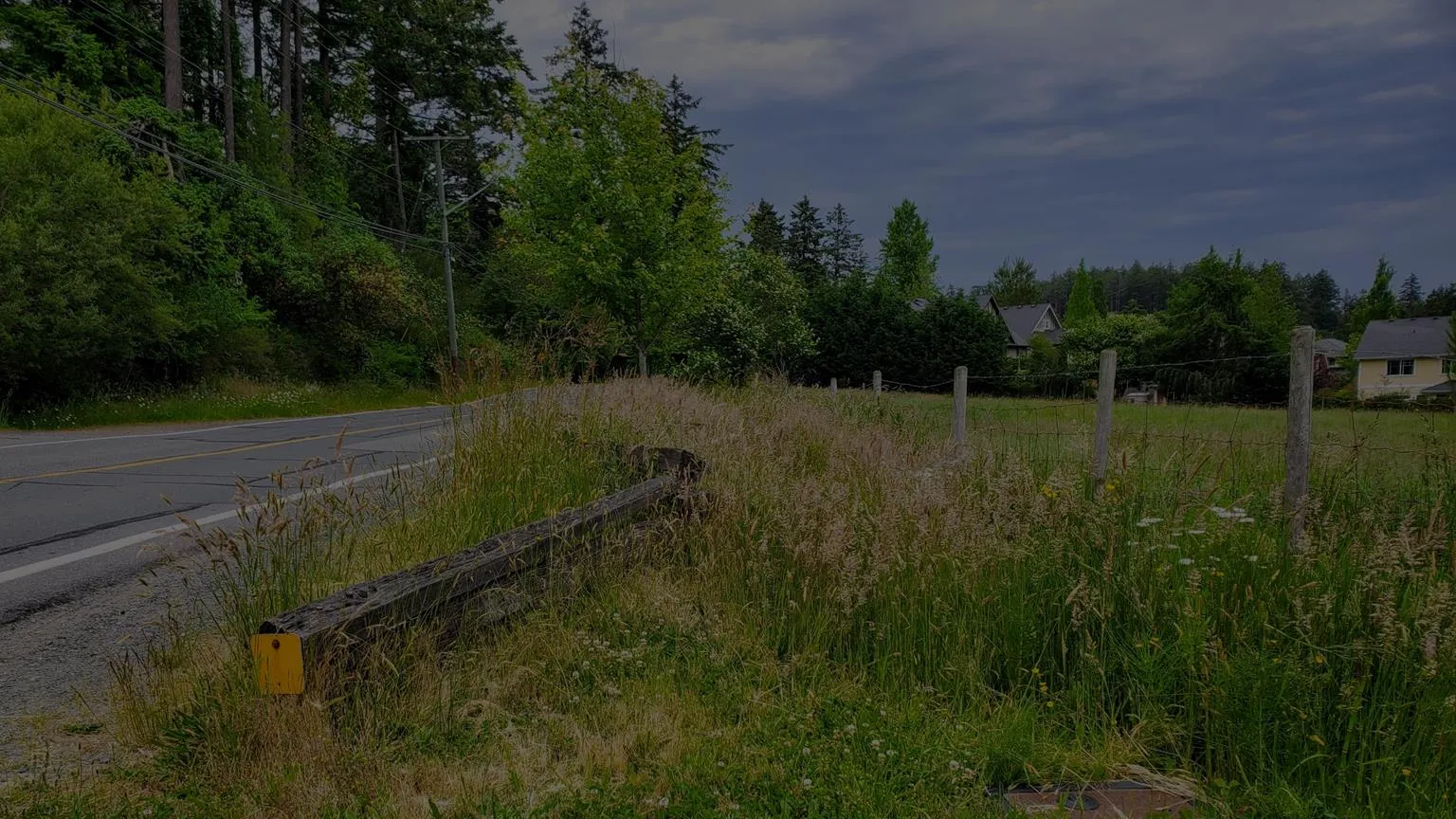
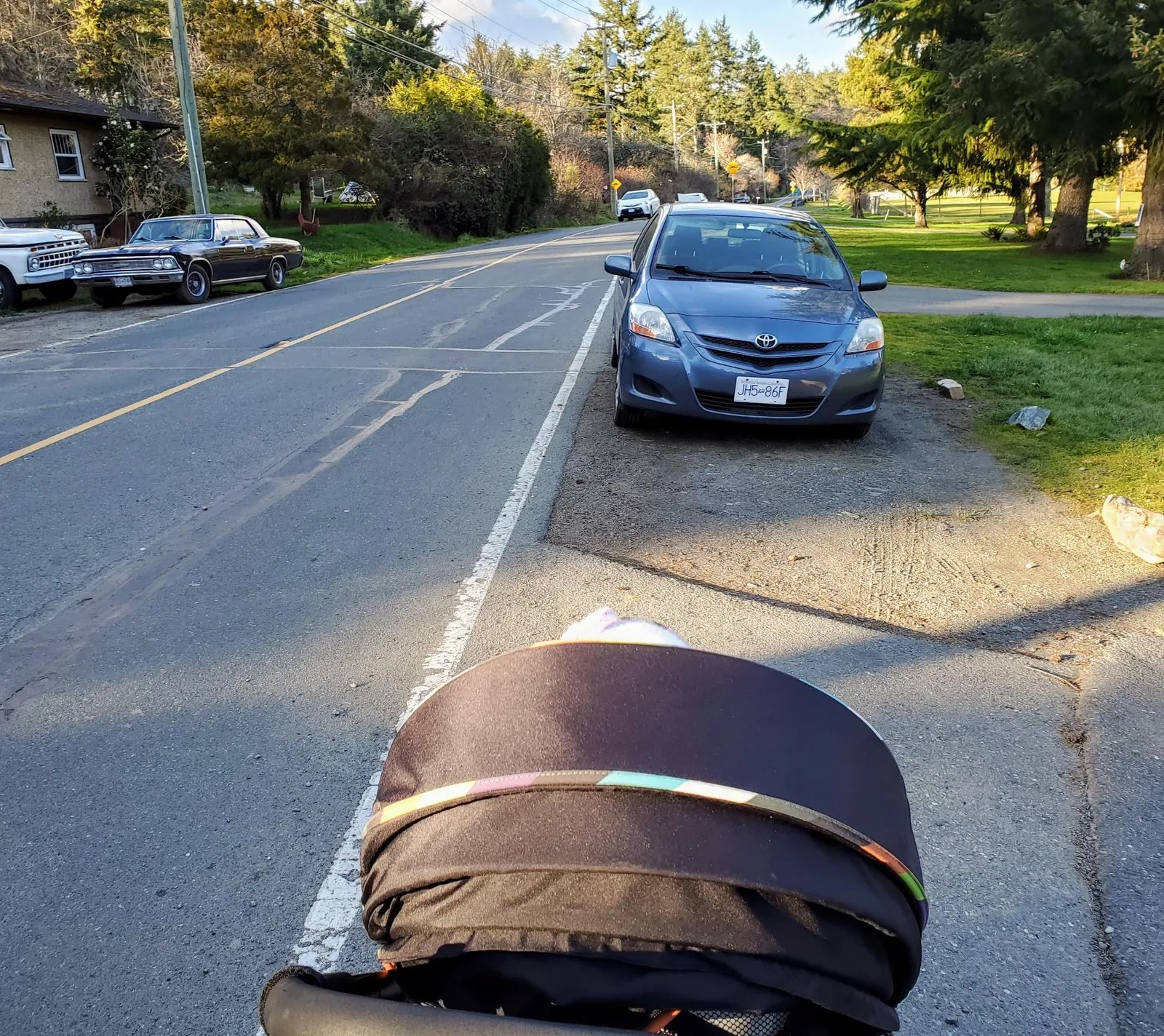
Existing sidewalk ends abruptly.
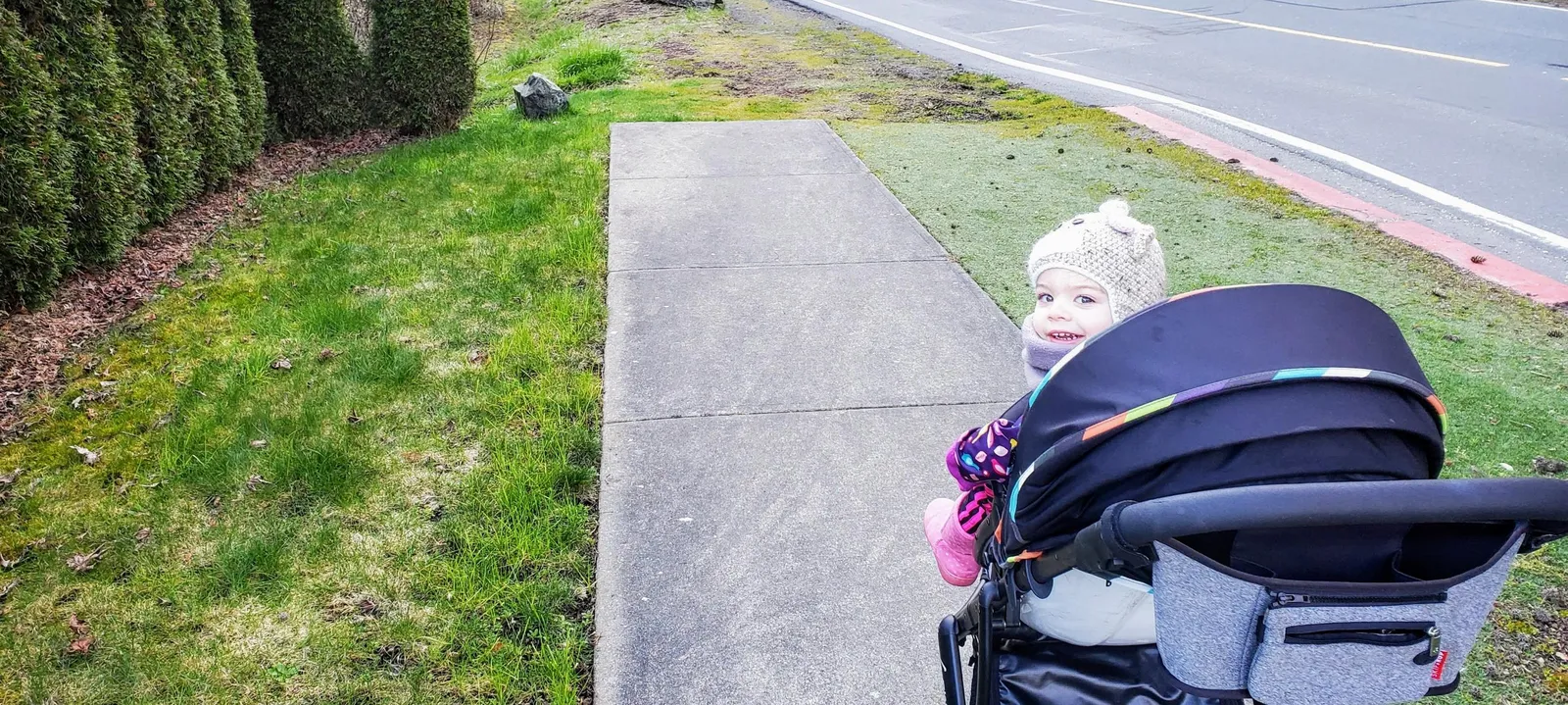
Shoulder is narrow and close to traffic.
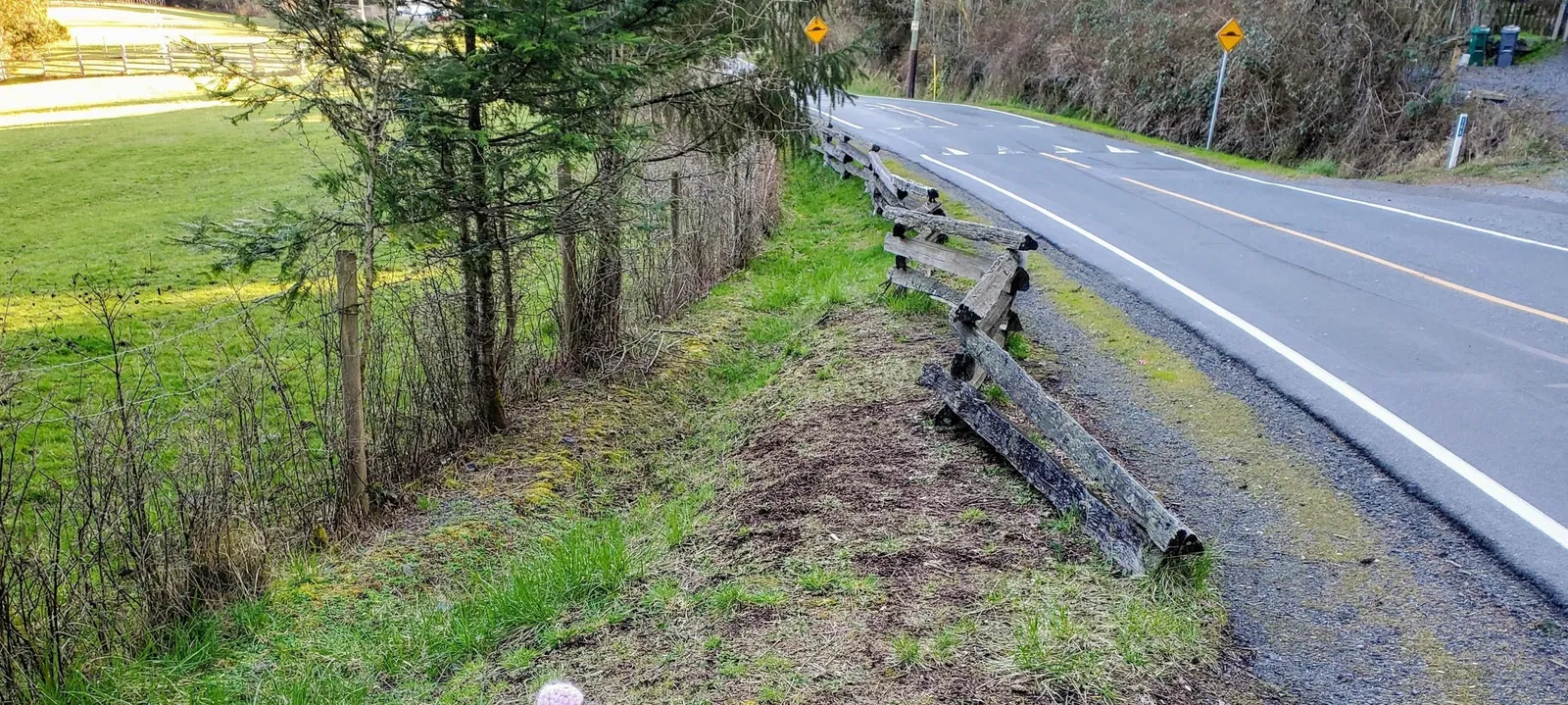
Pathway is uneven, unsafe and inaccessible.
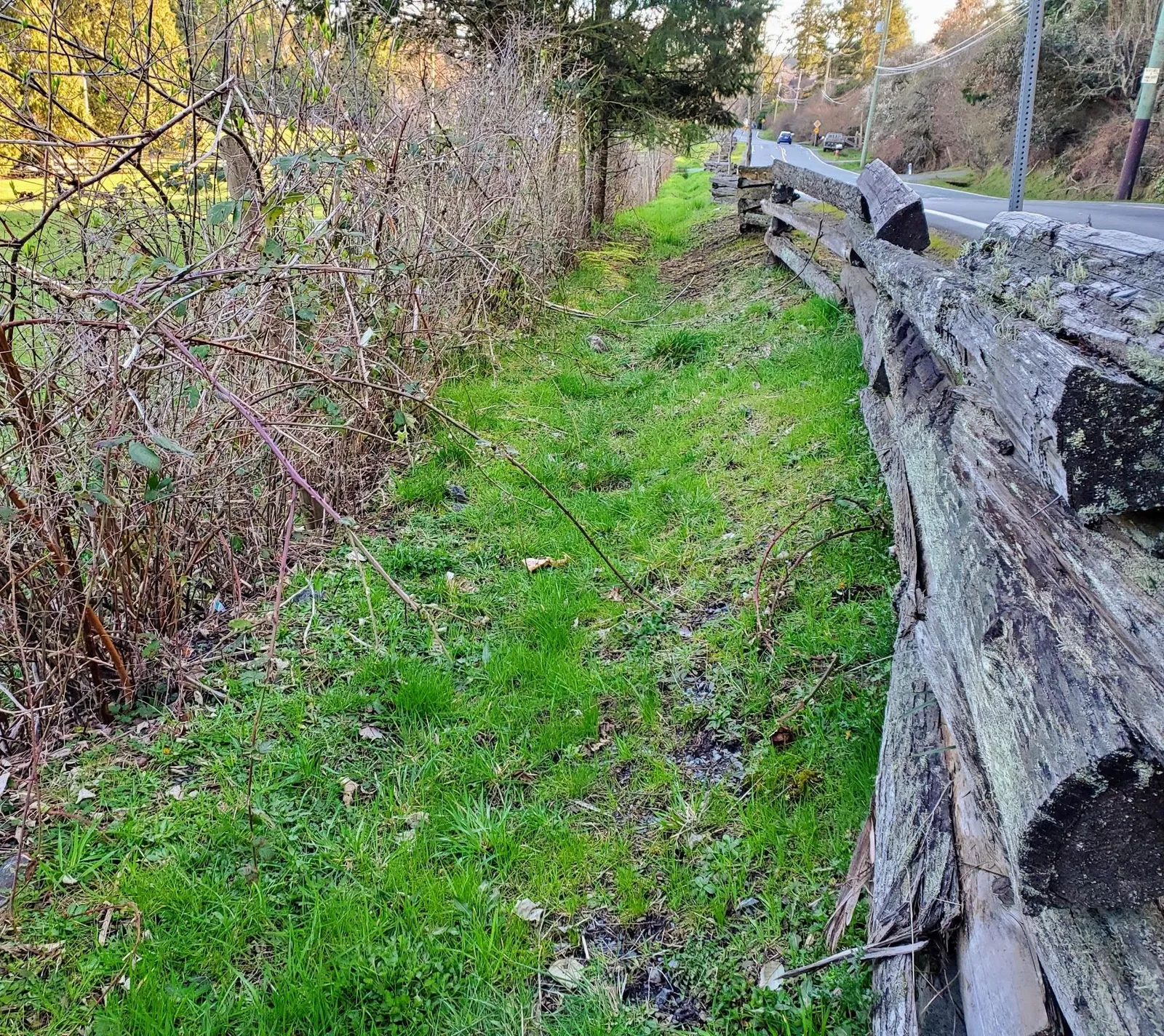
Seasonal growth impedes access.
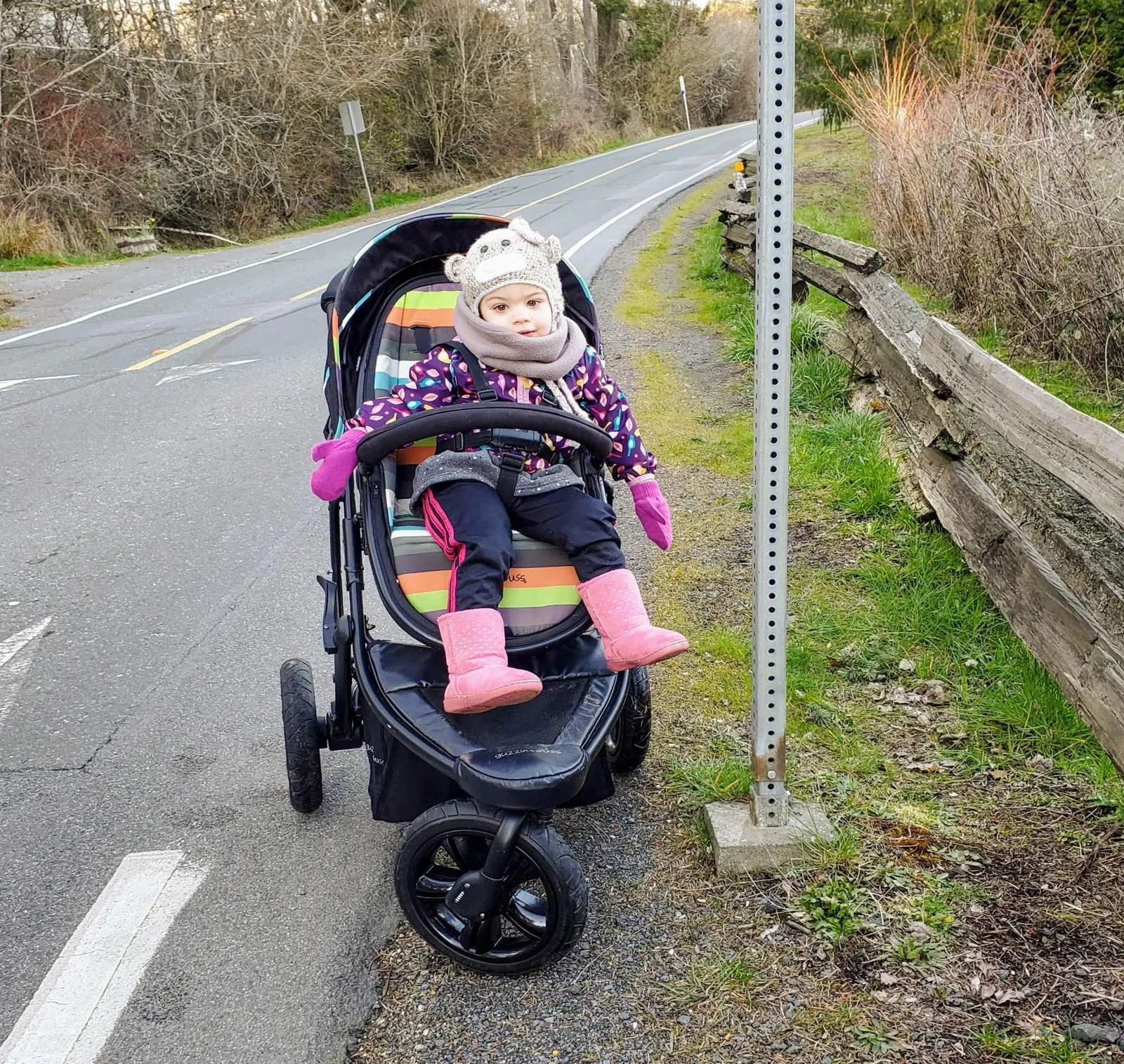
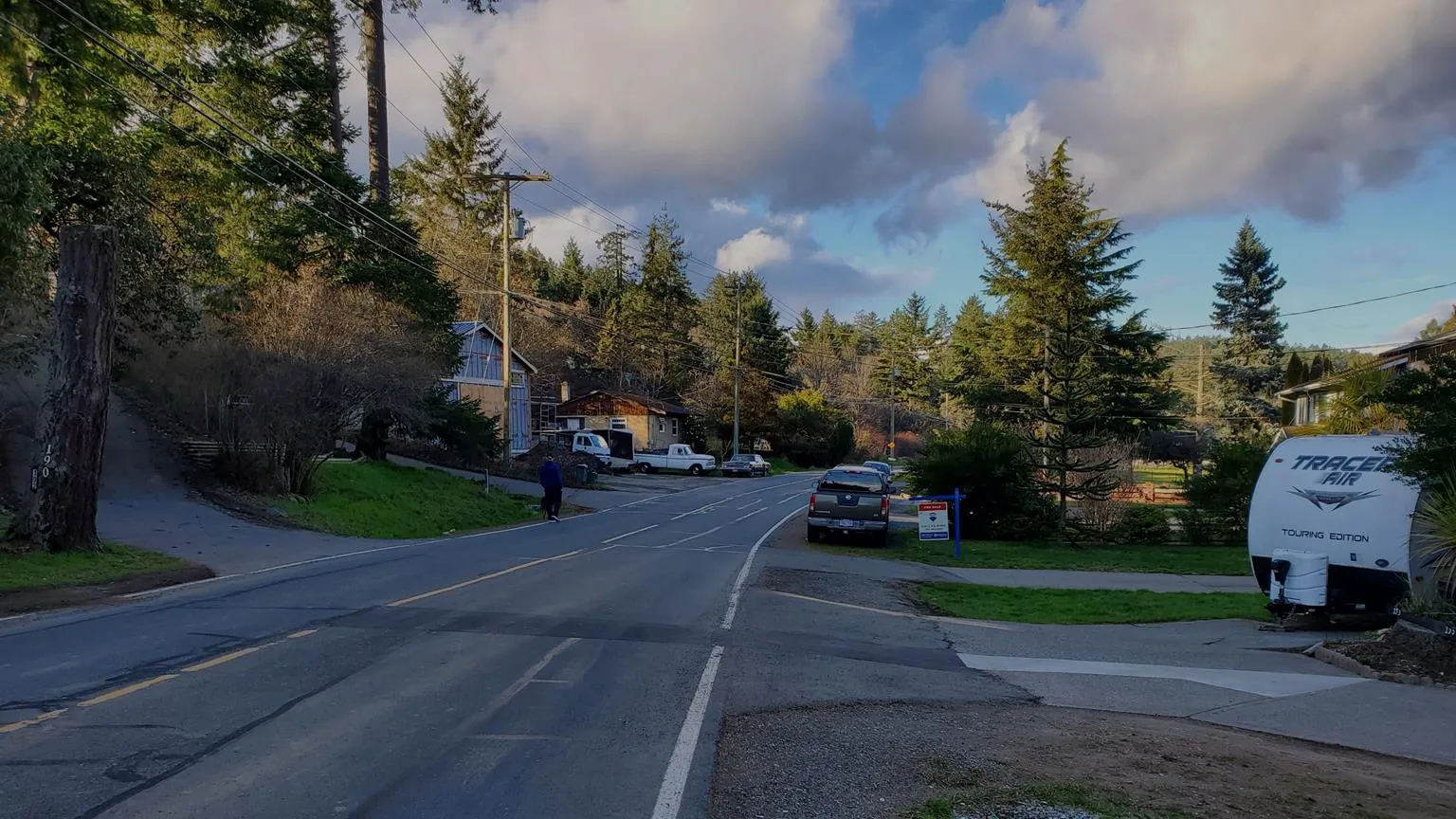
Pedestrians must walk on the road at several spots.
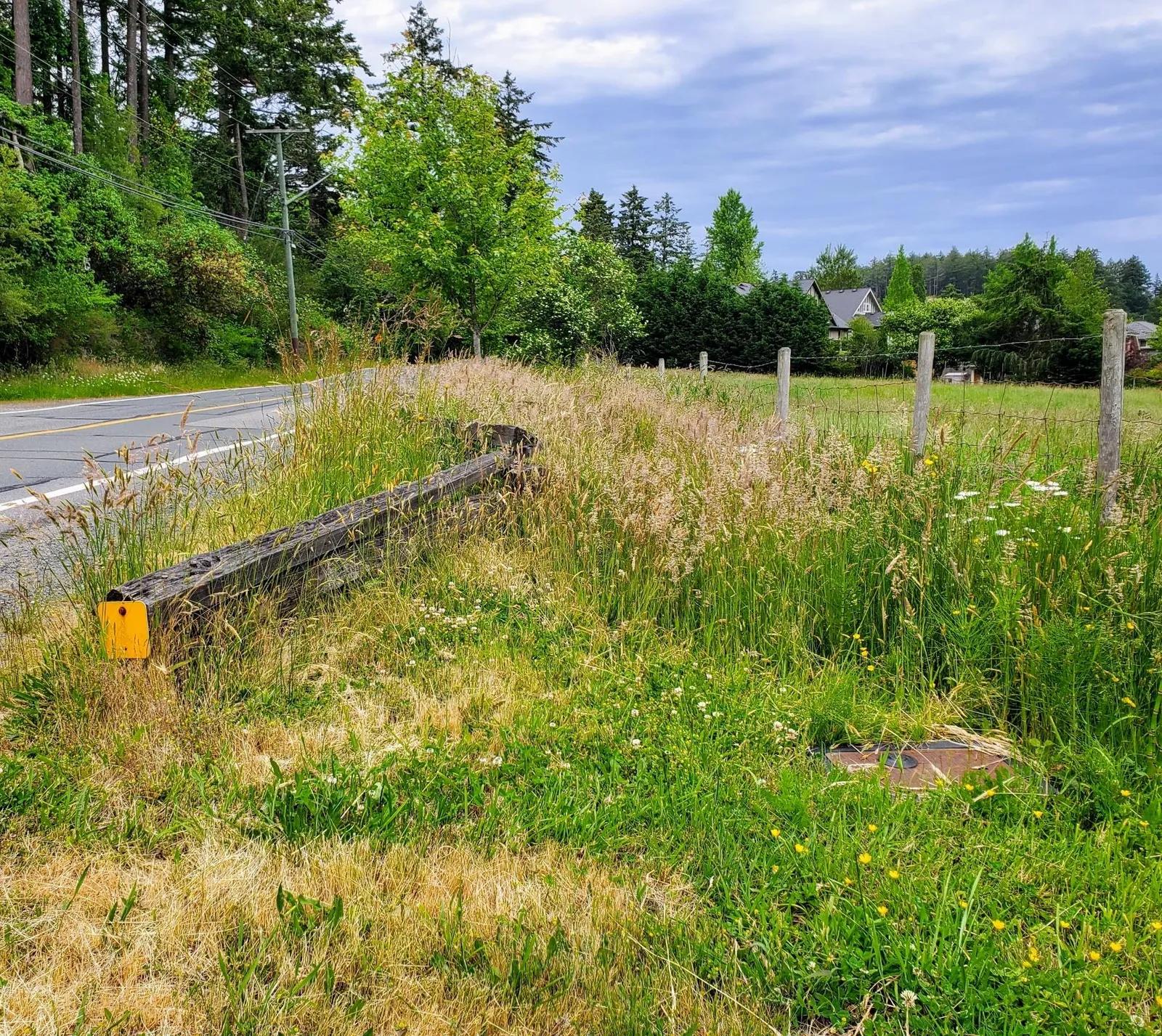
Vehicles park along Atkins, impact accessibility.
Why a sidewalk?
Sidewalks provide many benefits including safety, mobility, and healthier communities.
- Provides a stable surface for pedestrians
- Reduces the incidence of accidents
- Improves roadway drainage
- Increases property values
- Provides an increased level of comfort, safety and accessibility for pedestrians
Safety
- Roads without sidewalks are more than twice as likely to have pedestrian accidents than roads with sidewalks.
- Pedestrians must walk along the unprotected shoulder of the road.
- Additional risk for pedestrians with assisted mobility devices.
Safety
- Speed limit is 30 Km/h but often goes unobserved.
- Heightened risk for children & youth commuting to/from school.
- Seasonal conditions create limited visibility and unsafe conditions.
Accessibility
- View Royal is a growing community of almost 11,000 people.
- A sidewalk supports access to local shops and amenities.
- Access to public transportation.
- Access to the Regional parks and trails.
- Current access point: Myra Place (private drive).
Improved Lifestyle
- Sidewalks play a vital role in community life and enable physical wellbeing.
- Research indicates that people will walk for recreational purposes if a facility is provided.
- People who live in neighborhoods with sidewalks are 47% more likely to be active at least 39 minutes a day.
- Recreational walking is one of the easiest ways to get the recommended physical exercise each day and contributes to mental wellbeing.
- Aligns with VR Community Plan -- facilitates stronger connections between land use and transportation while serving a greater benefit to overall community.
Environment
- VR Community Plan considers energy efficiency, Green House Gas (GHG) reductions and water conservation as key components of development.
- Increased access to regional parks and trails reduces the number of people commuting by car.
- View Royal Park Key Survey Findings
- VR residents that walk to park decreased from 80% to 53%; access by car more than tripled from 0.5% to 30%.
- % of park users who live within 1km of park decreased from 73% to 50%; concern about parking rose from less than 5% to 21%.
- Asphalt construction
- Durable and cost efficient
- 3 times more distance than concrete
- 30% reduction in GHG emissions than concrete
Aesthetics
- Sidewalks provide a cleaner/neighbourhood aesthetic.
- Sidewalks increase property values.
- Properties with sidewalks often sell faster and for more money compared to similar properties.
- Currently the shoulder of road is used for parking cars, trucks and trailers.
- Pedestrians required to walk on the street and/or lawn of the property owner(s).
- Reduces litter & overgrowth during the summer months.
- Provides better drainage during fall & winter months.
Investment
- Consideration for fiscal 2021/22 and 2022/23 transportation budget.
- Phased research, design and implementation
- OTO investment from Gas Tax fund – allocated for this purpose.
- Sidewalks serve as an economic engine.
- increase property values, tax revenues, and local economy
- More importantly, sidewalks are an investment in safety.
Additional Considerations
- Design phase is necessary for proper implementation.
- In other jurisdictions for less developed areas with occasional pedestrian traffic expected:
- Walkable shoulders (minimum of 4 feet stabilized or paved surface) should be provided.
- Atkins Road is often inaccessible or much narrower than the recommended 4 feet of surface width; also unstable.
- We cannot rely on other jurisdictions to meet our community’s needs.
- VR has supported other jurisdiction’s sidewalk projects.
- Watkiss Way (Saanich)
- Island Hwy. & Wilfert Rd. (Colwood)
- VR has supported other jurisdiction’s sidewalk projects.
Conclusion
- Safe, accessible, well-maintained sidewalks are a fundamental community investment that enhances public health and maximizes social capital.
- This is a safety issue, not a financial or an engineering issue.
- A tragedy is preventable.
- Will you support allocating Gas Tax funds for an Atkins Road sidewalk?
References
Cortright, J., Impresa, Inc., & CEOs for Cities (2009). Walking the Walk: How Walkability Raises Home Values in U.S. Cities. https://nacto.org/docs/usdg/walking_the_walk_cortright.pdf
Federal Highway Administration (FHWA) (1987). Investigation of Exposure-Based Pedestrian Accident Areas: Crosswalks, Sidewalks, Local Streets, and Major Arterials. Publication No. FHWA/RD87-038, FHWA, Washington, D.C.
Florida Department of Transportation (FDOT) (2009). Conserve by Bicycle and Pedestrian Study Phase II. Tallahassee, FL.
Lindley, J. (2008). Guidance Memorandum on Consideration and Implementation of Proven Safety Countermeasures. Washington, D.C.
National Association of City Transportation Officials (NACTO) (2012). Urban Street Design Guide. https://nacto.org/wp-content/uploads/2012/06/Kittelson.pdf
Ontario Hot Mix Producers Association (2019). Carbon Footprint: How Does Asphalt Stack Up? http://www.onasphalt.org/files/factsheets/Carbon%20Footprint_How%20Does%20Asphalt%20Stack%20Up.pdf
Sallis J., et al. (2009) Neighborhood Environments and Physical Activity among Adults in 11 countries. American Journal of Preventive Medicine, Vol. 36, No.2 doi: 10.1016/j.amepre.2009.01.031. https://pubmed.ncbi.nlm.nih.gov/19460656/
Schrader, M. (1994). The Importance of Sidewalks. The Fine Print. Vol. 1.
Town of View Royal (2020). View Royal Park Key Survey Findings https://www.viewroyal.ca/assets/Town~Hall/Projects/Draft%20View%20Royal%20Park%20Master%20Plan.pdf
Town of View Royal (2020) Request for Proposal 2020/P01 Official Community Plan https://www.viewroyal.ca/assets/Business~and~Development/Documents~and~Forms/RFP%202020%20P01%20Official%20Community%20Plan%20Review.pdf