Correspondence: Dorothy Chambers re: View Royal proposal to INCREASE boating in Portage Inlet
Extensive email package expressing opposition to increased boating access in Portage Inlet due to environmental sensitivity and wildlife concerns.
CORRESPONDENCE
From: Dorothy Chambers dotmot@shaw.ca
Sent: April-10-16 10:49 AM
To: Elena Bolster
Subject: View Royal Shoreline School proposed boat launch
Regarding View Royal proposal to INCREASE boating in Portage Inlet.
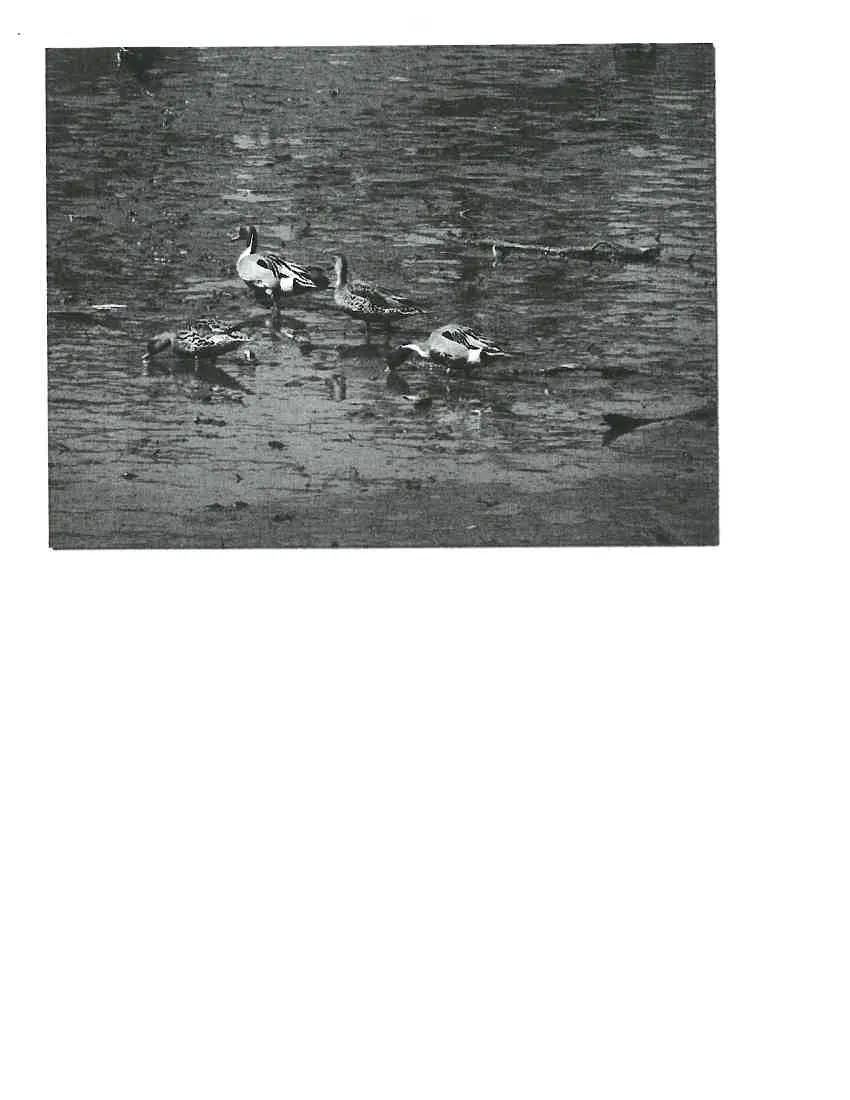
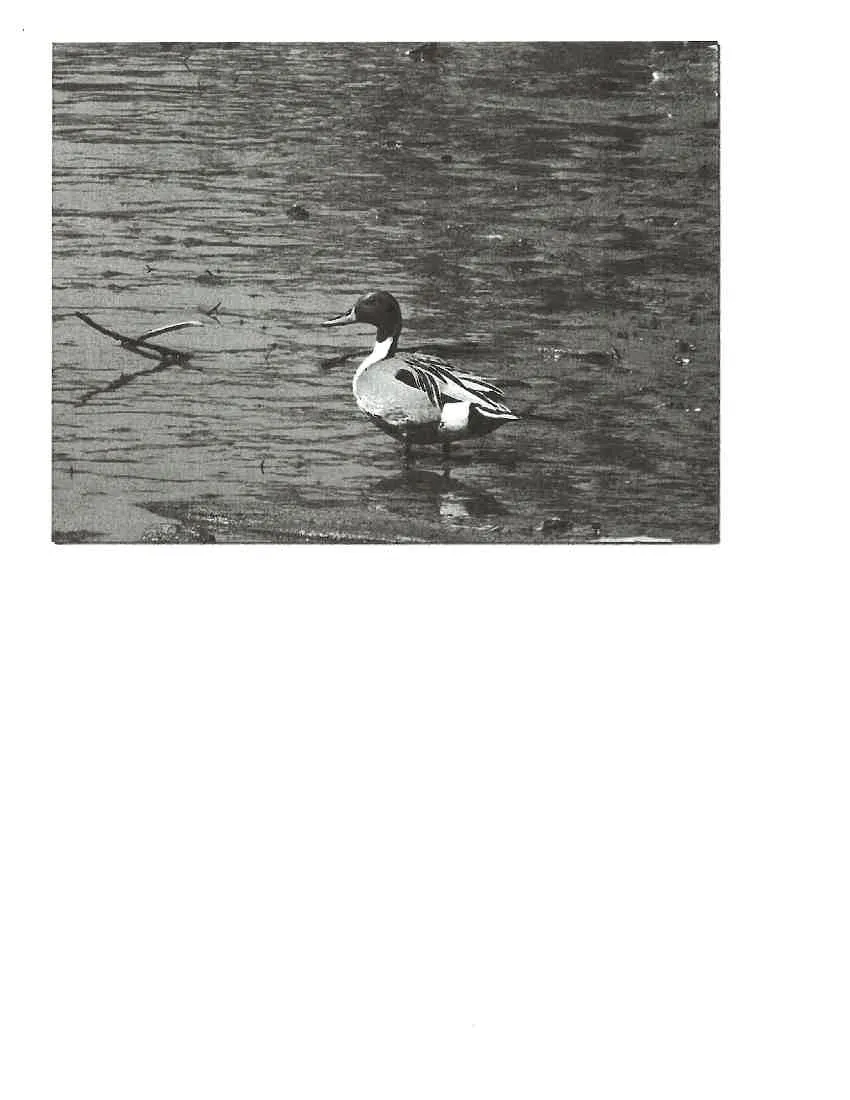
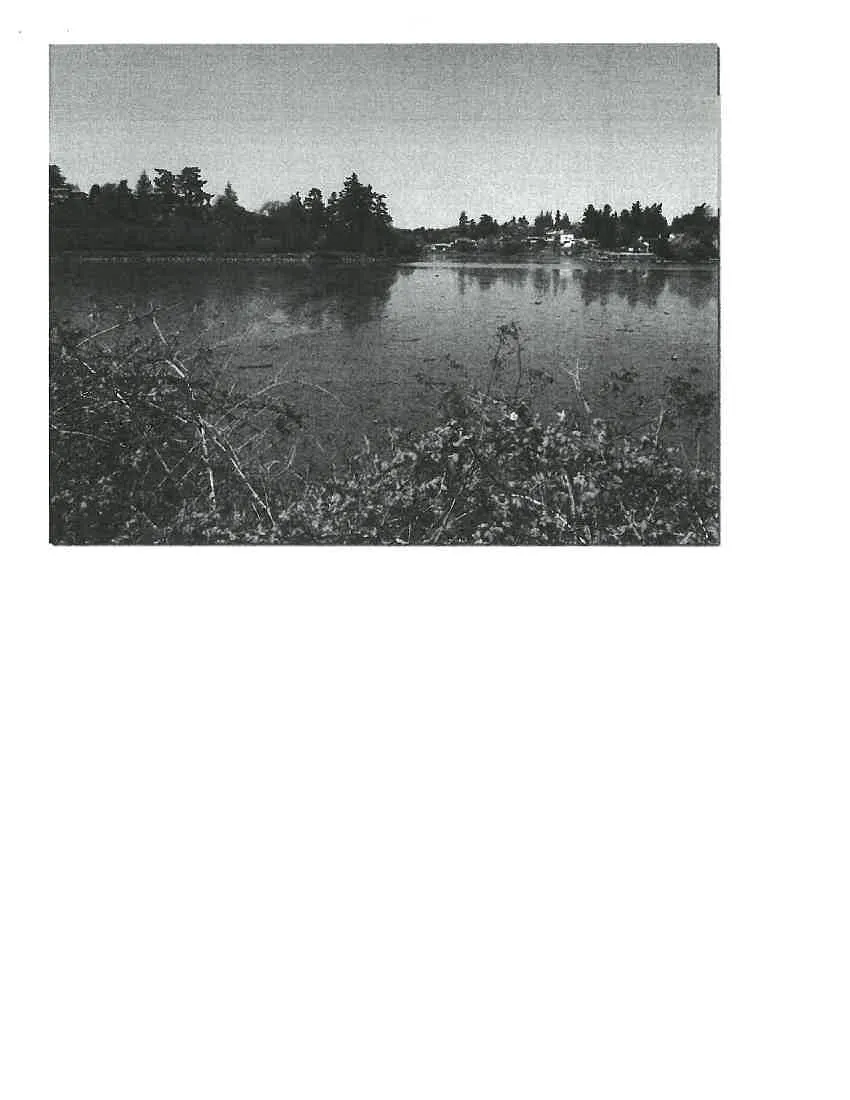
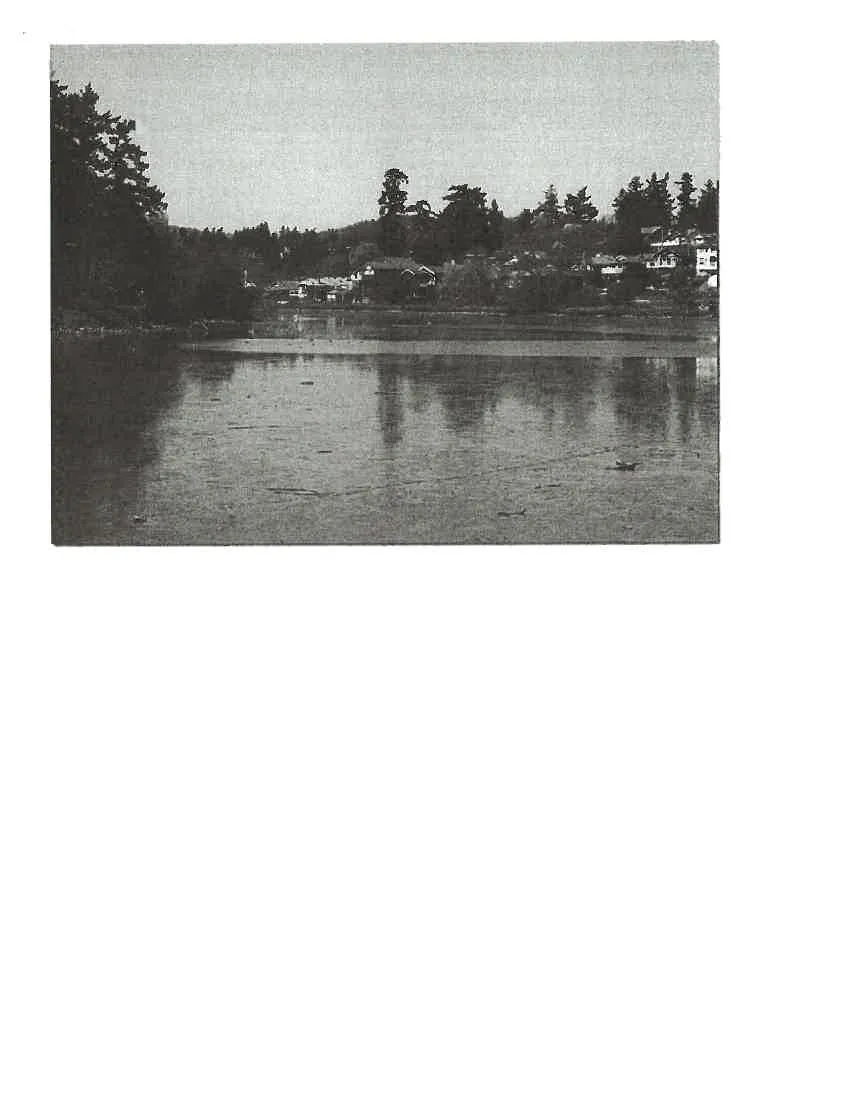
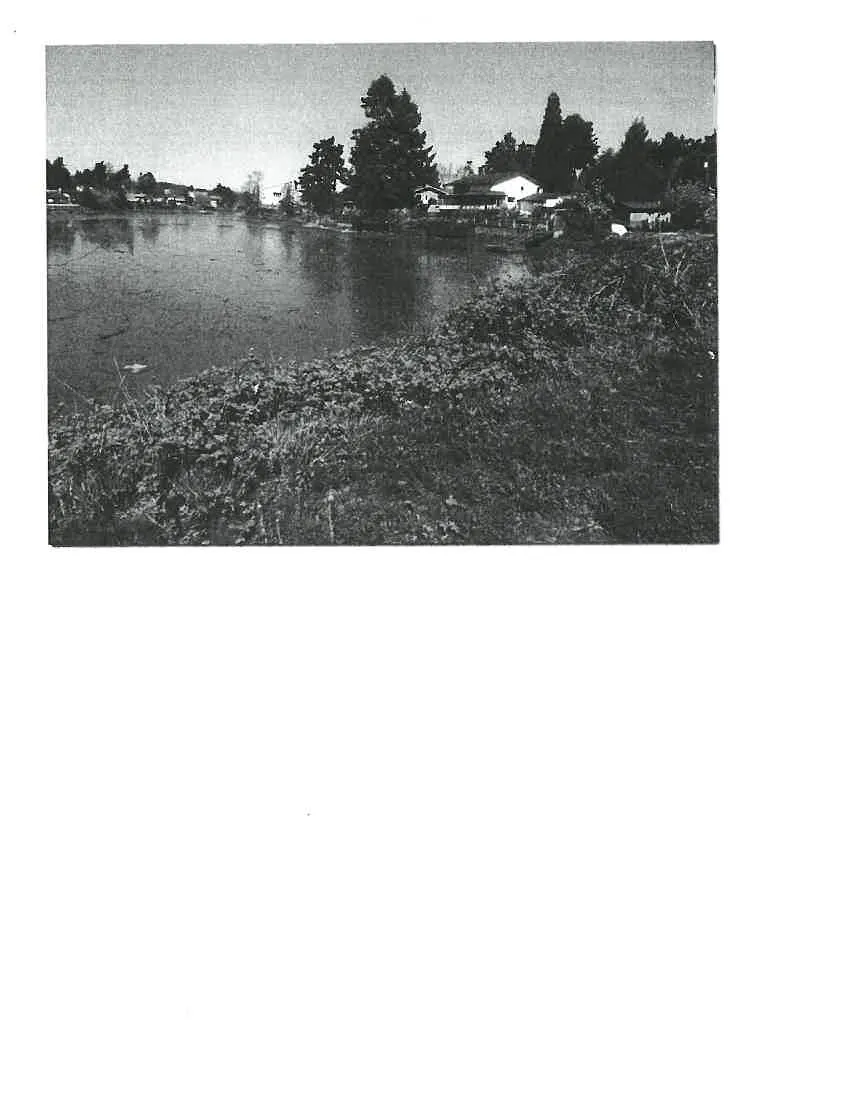
These shots, taken about noon yesterday, do not actually indicate the full extent of low tide at the precious Portage Inlet mud flats, where a boat launch is proposed at Shoreline School. The skiff of water receded much further over the next couple of hours. out to the furthest point in these photos was thick mud, with an inch of water well out at that point.... just deep enough for ducks to stand in, then beyond that, it becomes mud flats again.
Does the View Royal fire department and all the kayakers plan to wade through the deep muck pulling their boats .5km – 1km to the launch, through these important estuary mud flats? This area looks like this about 7 months of the year, and when there is water, it is only inches deep.
If View Royal cares so little about their environment, they want to encourage and sell boating tours in this area, how do they propose keeping the boaters out of the ecologically sensitive areas of the other municipalities who are banning boating, but share the waterway, and understand the importance of the marine, fish and bird life here?
see links below photos
cc Saanich, Esquimalt, Victoria, View Royal municipality council, DFO, Canadian Wildlife Services (Federal Migratory Bird Sanctuary), Gorge Waterway Initiative, CRD, Veins of Life Watershed, Environmental Law, Black Press, TC
April 13, 3:30 – 7pm at View Royal town hall, 45 View Royal Ave.
This article discusses the plans to increase boat launches, boating access and access for boaters into the nature areas of Portage Inlet.
John Rogers, View Royal councillor sits on the board for http://oceanriver.com/the-capital-region-marine-trail-get-involved/ a “for profit endeavour” bringing paid kayak tours into the areas where we are fighting so hard to protect, marine and wildlife from their disturbances.
DFO tells me that Portage Inlet, is an estuary very similar in fragile nature/eel grass etc, as Cowichan Bay, where community and all levels of government are working to have ALL boating banned. The paddlers cause issue not only with bird disturbances, but their paddles, in shallow estuaries are pulling out the eel grass and disturbing the important mucky sediment that provides so much for our marine/invertebrate life.
http://www.goldstreamgazette.com/news/374981211.html
To Brian Henry, Ocean River Kayak
This map encouraging kayaking here is criminal as far as I am concerned.....
Kayakers bushwacking back the canopy of river estuaries, where 114 different species of birds reside, so they can dig their way up the river through the narrow channel.
Brian I want tell you about biofilm.... a bacterial reaction that happens on the surface of the mucky sediment in estuaries, Portage Inlet, and the fresh water rivers.... It is a film that is rich and high in carbohydrates, that supplies the energy for the migrating shore birds.... even more energy than all the invertebrates that live in
the mainland is now conducting “Bird Disturbance Surveys” here as boaters in our area are the number one threat to this urban bird refuge.
I do look forward to meeting with you, but man oh man, its such head banging issue... have a look at the map below.... what kind of paddlers encourage this kind of “recreational behaviour” at the expense of our amazing urban wildlife.... ??
From: Dorothy Chambers
Sent: Friday, December 19, 2014 9:37 AM
Subject: kayak paddle routes up estuaries
Hello, here is another map view, taken from kayaking web site of “where to paddle” and where clubs hold races.
The kayakers speak of “bring your machete” as they travel up the Colquitz.... it is too narrow to even put a paddle in.. they push their boats by digging into the muck. The Colquitz in many many parts is only five feet wide. The boats then go backwards to get out, no turn around area. They can get almost to the fish fence, and there are gravel spawning grounds there in six inches of water......
These areas are filled with feeding birds and small mammals, not to mention the salmon, smolts and cutthroat. And these are the riparian grasses where so much nesting takes place.
And just so you know, I am a kayaker, I own three boats, and have travelled these waters responsibly for 22 years. Boats are cheap and accessible today, which has dramatically increased the number on the water, and are giving paddlers access to areas that have previously been off limits. Now, the birds and wildlife have no resting, or staging areas without interruption. Serious signage would have the most impact to educate the boaters. There is no “season” which is a reasonable time to paddle these estuary/river waters. There is ALWAYS wildlife, birds in various stages, and marine life here, all year long.
To: Brian Henry (oceanriverkayak)
Subject: Fw: Boaters in the Colquitz estuary/Portage Inlet
This is from a community member, sent to View Royal Municipal hall regarding the boating disturbances in Craigflower creek.
a copy went to VCKC.... they still race in both estuaries....
Sent: Monday, November 3, 2014 12:21 PM
Subject: Re: Boaters in the Colquitz estuary/Portage Inlet
The canoes and kayaks should definitely not be in the narrow channel of Craigflower;/Colquitz creek estuary. This and Portage Inlet are a major staging area for the Coho where they are pairing up and thinking about heading for the fresh water in the creek above Helmeken falls, which is located the other side of the highway. This exercise last from as early as the second week in September till Xmas. Any disturbance may delay their return to the creek, which in turn leaves them in the Portage inlet for a longer periods where they are subject to predation from seals, otter and more recently fishers.
An issue I have recently noted is that someone in the boating community, and I am assuming it is probably the kayak community, has chain-sawed off a large trunk of a fallen oak tree that was across the estuary to allow easier passage in the narrow channel. The large oak tree was growing in Caton park that runs along the northern shore of the Craigflower creek estuary. The
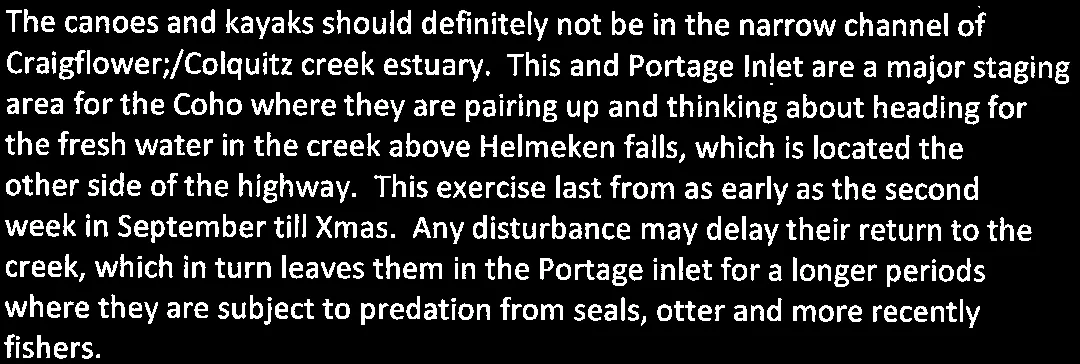
tree had suffered from rot and fallen across the channel. Large trees that fall in the creek, or placed there on purpose, are highly prized for fish habitat enhancement. They are referred to as 'large woody debris' and they provide habitat and protection for the fish. Removing such structures, without DFO permission, is not allowed and will be reported if anyone is seen trying to do so.
I would think that a green thinking organization would not hesitate to make the entrances of Craigflower and Colquitz creeks and Portage Inlet off limits to boating.
This email below was sent in 2011, but conservation/stewardship groups have 15 years of correspondence trying to educate the paddling community.
Dear Victoria Canoe and Kayak Club....
Bon Lee, President, Yasmin Rampuri, Canoe Program, Doug Linten, Kayak Program, Dave Schweter, Outrigger Program:
cc.
Gorge Waterway Initiative, Tricia Demacedo, (GWI)
Portage Inlet Sanctuary Colquitz Estuary Society, George & Vicki Blogg, (PISCES)
Habitat Acquisition Trust, Todd Carnahan....,(HAT)
Department Of Fisheries, Don Lowen, (DFO)
Saanich Parks, Rae Roer, Becky Goodall,
Stream Team, Angus Steward, Lenny Ross,
Friends of Cuthbert Holmes, Julian Anderson,
Gorge Tillicum Community Association, Rob Wickson. (GTCA)
Provincial Species at Risk Biologist for Great Blue Herons, Trudy Chatwin,
Harbors and Watershed Coordinator CRD, Jody Watson,
Canadian Wildlife Services, Land Manager for the Migratory Bird Sanctuary for Portage Inlet and Gorge Waterway, Courtney Albert
Regarding boating activity on the Colquitz River, and Portage Inlet area estuary.
This is a follow up letter to previous concerns expressed by environmental and conservation groups to your Club regarding your members' usage of these inland waterways.
The Colquitz River is very narrow and very shallow. It is a Federally designated "Migratory Bird Sanctuary". It is a wildlife area where many types of ducks, geese, swans, cormorants, birds and herons feed along the mud flats at the shoreline. The grasses along the water's edge are the nesting grounds for ducks, and their eggs are laid, often exposed in the reeds.
There are resident bald eagles, biologist monitored coopers hawks, who are nesting right at the water's edge, a pair of great horned owls, and barred owls who reside, again, right on the shoreline.
Currently 15 - 20 pound Coho Salmon are migrating up the river to spawn, often only in a few inches of water.
In the spring, the salmon smolts and herring are in the river. Presently, there is a family of five otters, two seals and many mink who call the estuary and river up to the mall, their home.
All this wildlife has recently made a return to the park as it is being cared for, and returned to its natural state.
The Colquitz River estuary is the most vital part of this entire watershed. It is tidal, very shallow and very very narrow.
All to often, there is a group of four racing kayakers charging side by side at great speeds up through the estuary and river. Every time they enter, approach, pass, and then return back down the river, the wildlife is disturbed. Great flocks of ducks fly away, abandoning their nests to predators, or leave their resting place on
the sunken logs and madly swim for cover with their ducklings. This very stressful situation is repeated many times a day. Then, following that, the giant six person outrigger canoes enter, two and three at a time. The wildlife disturbance cycle repeats itself, and the boat users are often yelling to one another which resonates throughout the park, disturbing even the inland wildlife.
The herons are a very very shy bird, cautious of movement in their surroundings. They have now established the largest heronry on Vancouver Island, here in Cuthbert Holmes Park since their four year return to the area. In order to provide for their tall gangly young, and yet monitor their nests from the predator birds of prey, they must fish very close to the heronry. That means the banks of the Colquitz, where they are always seen knee deep in the shallow water, silently waiting to catch a fish. Many times a day with the arrival of the boaters, the herons leave, and often it is many hours before they return after a boating disturbance. This means, they must then hunt further away, leaving their nests and young vulnerable.
Each paddle stroke in water only a foot deep, digs up the bottom, where plankton and grasses are trying to establish, to provide not only food but shelter for small fish. The boaters have been witnessed to become stuck and dig their paddles deep into the mud to propel themselves along at low tide.
I am hoping that perhaps this information, yet another letter, explaining the fragile nature of the area where your members take their boats, will help to promote education and understanding of the total impact, and chain reaction their boating presence has in this natural park.
If you would like more information, I know there are members of the environment and conservation community who would be happy to meet with your boaters in person.
Yours very truly,
Dorothy Chambers
Hello All.....This newsletter web link was written by Honica Zylstra regarding concerns about racing boats and six person outrigger traffic, and the disturbance of wildlife on the narrow, shallow Colquitz Creek and estuary. Today, a group of seven competitive racing kayaks charged up through from Portage Inlet and on past the second bridge on the creek. All the shore feeding birds franticly took off during their passing, and again shortly later as they went racing back down the creek. Then, the ducks, swans and herons did not come back for the rest of the day.
This shallow creek, often only inches deep and a few feet wide, supports 25 pound Coho Salmon spawning from Oct to Jan., then from March to May the young smolt salmon are in the creek heading out to Portage Inlet. Then the herring arrive. The paddles are digging up the shallow muddy bottom and disturbing fish hiding places and plankton for food.
Letters have been written by environmental and conservation groups to the nearby kayaking clubs detailing the impact on the wildlife, and attempting to educate the users, of the chain reaction effect their presence causes. The ducks, now nesting in the reed shores leave their exposed nest as they fly off in fear. The herons are slowly starting to return to nest and will frighten and move as anything approaches them. They must fish nearby to the heronry to protect their nest, but they leave when the boats come. After their fear and startle, they enter Portage at the estuary, where they group to feed again, and the boaters then pass once more, and the herons then move further away. The nests are left wide open to the Eagles and hawks. The herons should be quietly fishing, undisturbed, on the banks steadily all summer to feed their brood. These birds are a species at risk and the herony territory and feeding grounds are protected. We have much to protect in this very fragile area that is struggling to be restored.
Sincerely, Dorothy
Dear Canoe and Kayak Clubs,
RE: racing boaters in the Colquitz Estuary area.
As you requested, I am sending photos of the racing boats on the Colquitz Creek.
At 9:00am today, Sunday Jan. 23, 2011, while a bird watching group quietly photographed the swan family, feeding heron, and rare visiting wood duck pair, seven racing kayaks came charging at full speed up the creek.
All the wildlife was disturbed and frantically flew off. By mid afternoon, they had not returned to feed or nest.
These boaters were there simply to race on flat narrow waters with complete disregard for the surrounding environment.
I was sent these photos and have been contacted by park users who were angry at the invasive intrusion these boaters made into this wildlife area.
I know you have told me that your members are all very environmentally sensitive and aware, and your clubs have strict policies against wildlife disturbances.
I am hoping that you will recognize these racing boaters and pass on the environmental education and negative impact we have been discussing in previous emails.
Thank you for your attention to this matter,
Yours truly,
Dorothy Chambers
cc. Friends of Cuthbert Holmes Park
Portage Inlet Sanctuary Colquitz Estuary Society
Gorge Waterway Initiative
Saanich Parks
DFO
Harbours and Watershed Coordinator, CRD, Jody Watson
Canadian Wildlife Services, Land Manager for the Migratory Bird Sanctuary for Portage Inlet and Gorge Waterway, Courtney Albert
Saanich Police File #7223
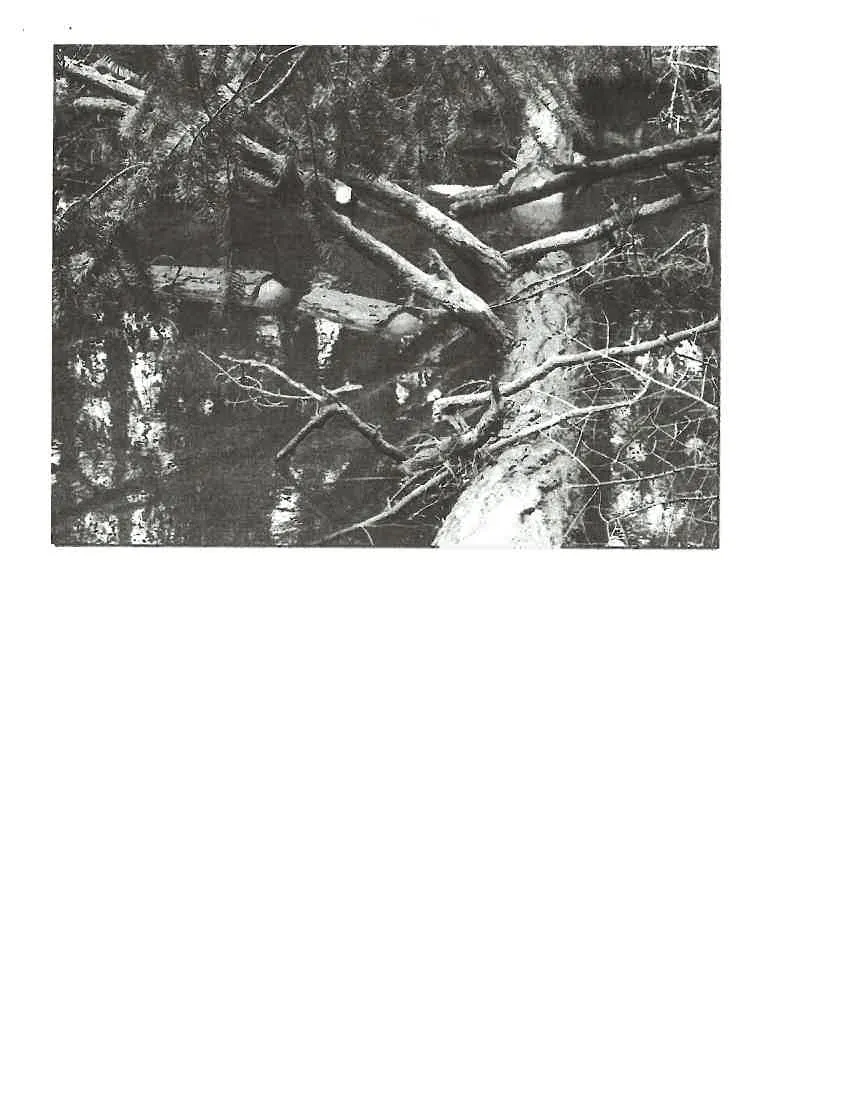
Sunday, April 3 2016 @ 11:30 am, a man and a woman in a red canoe chain sawed through two trees across the Colquitz river estuary, in Cuthbert Holmes Park.
They did this to allow boats to paddle and race, further up the fragile wildlife area. Just as happened on Craigflower Creek in View Royal.
As this is a Federal Migratory Bird Sanctuary, a Coho/Chum Salmon waterway, and feeding grounds for Great Blue Heron, the alteration of this municipal park riparian large woody debris, is a violation under federal, provincial and municipal law.
Saanich Parks continues to negotiate with the boating perpetrators of all the wildlife disturbances in this area. The signs posted are not effective. In 20 minutes on Saturday, 6 kayakers dug their way up the estuary in 3 inches of water.
Where are the promised estuary bridge banners "NO BOATING, BIRDS NESTING". Every boat on this waterway is in violation for disturbing wildlife, and now they are destroying the wildlife habitat also.
Dorothy Chambers
Colquitz River Steward
http://www.saanichnews.com/news/374823311.html#.VwdisAoubMo.facebook
From: Dorothy Chambers dotmot@shaw.ca
Sent: Sunday, February 21, 2016 12:23 PM
Subject: Local study of boaters and bird disturbances in sensitive areas
Hello, regarding a proposal for increased boating in the Gorge and Portage Inlet/estuaries.
http://members.shaw.ca/clowater/ELBirdStudy.pdf by Victoria BC James Clowater, ornithologist specializing in behavioural ecology, and particularly in the foraging behaviour of marine birds.
I think this would be an important read before anyone considers allowing continued boaters in the Portage Inlet, Colquitz and Craigflower estuaries.
Following this study, done in Esquimalt Lagoon, an area with all the similar marine/ wildlife risks and similar feeding/nesting/resting attractions that the Portage Inlet has, boating was banned and dogs leashed in order to protect the marine and wildlife of this sensitive area.
Go Rowing company had to move their rowing/paddling business out of the lagoon because of the impact their boats had by their continuous presence in an area where these migratory and resident birds, are protected both federally and provincially.
Please understand, in such an urban setting, wildlife refuges have been reduced by human impact. Areas set aside, without constant intrusions by boaters is even more important as the city moves further into their areas of natural habitat.
Most sincerely,
Dorothy
April 2016
To Rick Daykin,
Esquimalt Municipality,
Parks Manager.
Scott Hartman, Director of Parks and Rec.
Paul Cardinal, Parks Supervisor
Dear Rick,
A million thank you's for the quick actions your municipality has taken to keep the boaters out of these Environmentally Sensitive Areas and estuaries.
As you know from your attendance at the all the Gorge Waterway Initiative meetings, it has been a long and difficult struggle to provide education to VCKC and the overall boating community regarding the the disturbances they cause sending our precious bird life off in frenzied flight when they enter the narrow shallow estuaries.
Not only as part of a Federally protected Migratory Bird Sanctuary, where disturbing birds is not allowed at any time, as discussed also are the detrimental affects of the disturbances with their paddles, on the shallow sediment and eel grasses, which is rich for feeding the weary and nesting birds.
It's also the areas where our young Coho Salmon, Cutthroat Trout, and Pacific Herring are disturbed as they hide to grow, and adults stage to prepare in the estuary brackish waters to prepare to head up stream to spawn.
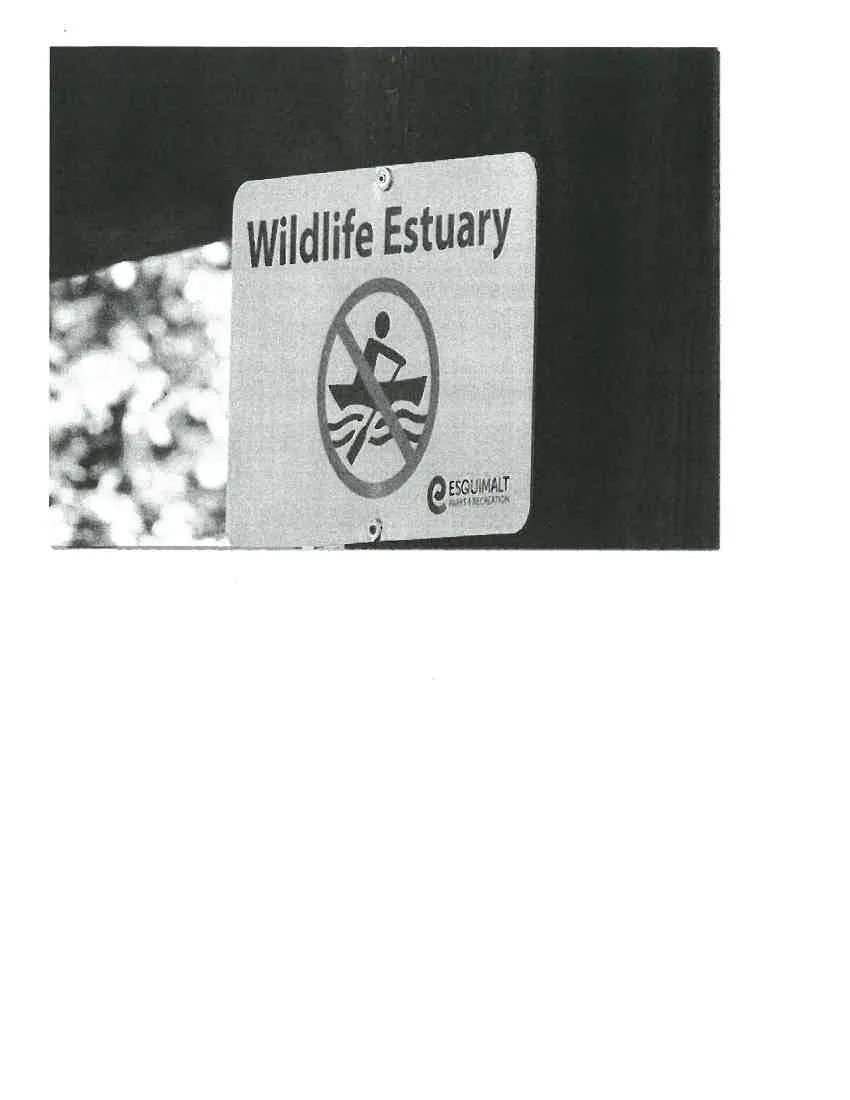
Thank you for understanding the need to protect marine/wildlife and birds in these sensitive areas, and taking the initiative to stop it happening from the boating community. There needs to be off limit areas as in Esquimalt Lagoon where boating is not allowed, following studies of the negative impact the boaters are having.
I think your arborist, Eric Wilde made an excellent resource for riparian plantings in this area, which would then draw the same wildlife the Colquitz is so blessed with. I would be happy to bring a team of shoreline restoration experts to consult with him.
I think on the Colquitz we are going to need large banners which say NO BOATING, Ecologically Sensitive Area. Birds Nesting Resting and Feeding. Your signs are able to be much closer to the water.
Again, it has been a pleasure working with you on this issue and I know all the stewardship and conservation groups thank you for listening to their concerns and taking such quick action.
Most sincerely,
Dorothy
Colquitz River, Gorge waterway advocate
cc... CRD, MOE, DFO, Saanich, View Royal and Victoria municipalities, Canadian Wildlife Services, GVHA, MLA’s/MP, Victoria Migratory Bird Sanctuary Association, Gorge Waterway conservation and streamkeepers groups, Environmental Law Society, Veins of Life Watershed, Saanich and TC News, Gorge Tillicum Community Association.
From: Dorothy Chambers dotmot@shaw.ca
Sent: April-12-16 12:16 PM
To: Elena Bolster
Subject: view royal parks plan
I thought you might be interested in this, I started reading at page 12, which talks about the high level of environmental sensitivity in Portage Inlet, and the huge numbers of visiting birds, and importance of the mud flats and estuary. I believe the study was in 1997..... the same municipality wants to build boat launches and increase boating/human activity on the water where fish/birds/wildlife need to live....undisturbed.
http://www.viewroyal.ca/assets/Town~Hall/Projects/Parks~Master~Plan/MP-REPORT-FINAL DRAFT.pdf
CC.... DFO, MOE, Saanich, Esquimalt, Victoria council, CRD, Veins of Life watershed, Gorge Waterway Initiative, VIU community planning, media, MP, MLA's, Environmental Law.
From: Dorothy Chambers dotmot@shaw.ca
Sent: April-12-16 11:32 AM
To: Elena Bolster
Subject: Municipal boat issues, Gorge Waterway
a note to Ministry of the Environment after discussions this morning.
http://oceanriver.com/the-capital-region-marine-trail-get-involved/
On the proposed plans to raise money for kayaking tours by private enterprise into the estuaries, they talk of wanting a boat tow path under the Gorge Bridge, where the reversing falls are.... State, there was one there 50 - 100 years or more ago. Long before the city moved into all wildlife refuge areas.
I spoke with an Esquimalt councillor about 8 years ago about concerns for that project being rekindled.... again, solely for private interest groups to take their boats more easily at tide changes.
Was told the following information....1. it would not be a liability the municipality would want to take on. 2. serious eel grass beds in the area would be at risk. 3. Why would we WANT to INCREASE accessibility for boaters up into the further fragile reaches of the estuaries?
Now, the view royal councillor and kayaking groups are revisiting the issue for their “for profit” endeavours.
And, horror expressed that we now have water skiers, sea doo's, and motorized boats in Portage Inlet. MOE response, What has happened with the old waterways speed rule? No craft allowed to exceed a certain low speed, 5k/hr. This was also in place to protect the eel grass from being damaged.
Document Images
(26)