Arborists' Report Addendum - 301 Nursery Hill Drive
Expert assessment of tree impacts and retention plans for the proposed construction.
Talbot Mackenzie & Associates
Consulting Arborists
September 05, 2015
First Valley Limited Partnership 5161 Polson Terrace Victoria, BC V8Y 2C5
Attention: Dariush Diba
Re: Addendum to Talbot Mackenzie & Associates October 31, 2011 Tree Impact and Retention report for Proposed Residential Development at 301 Nursery Hill Drive
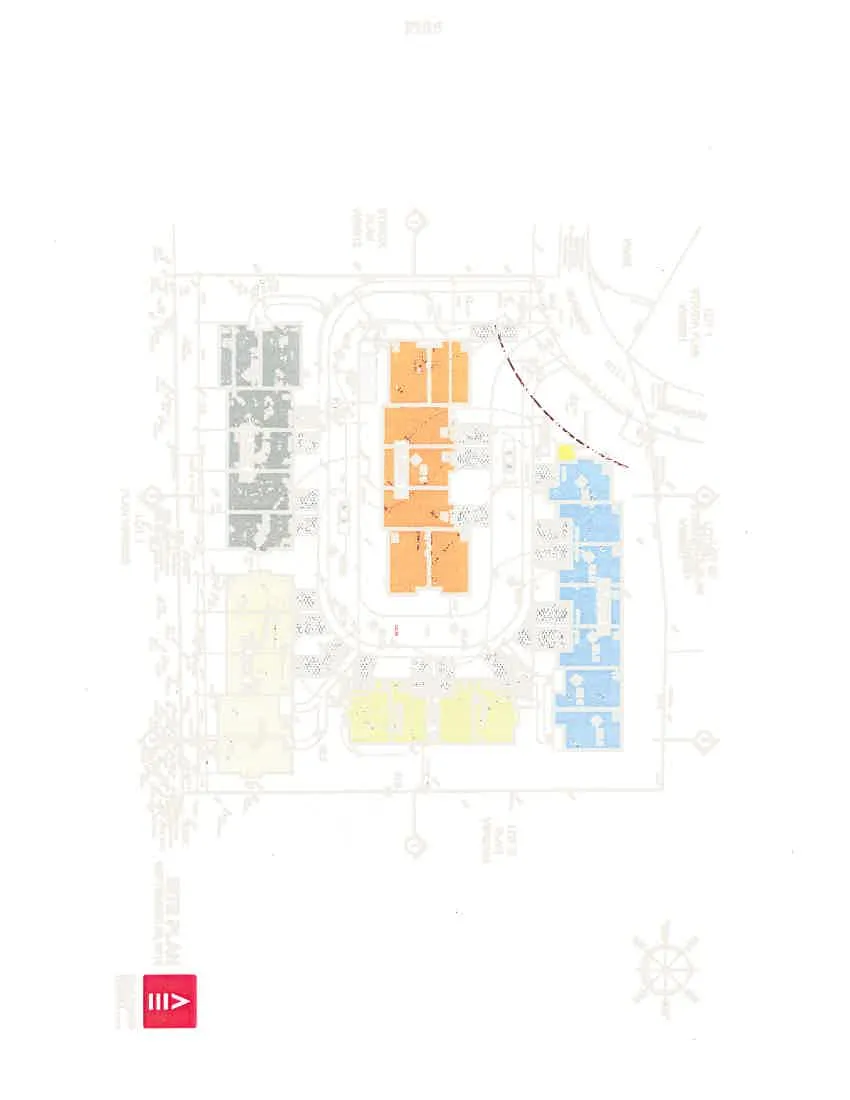
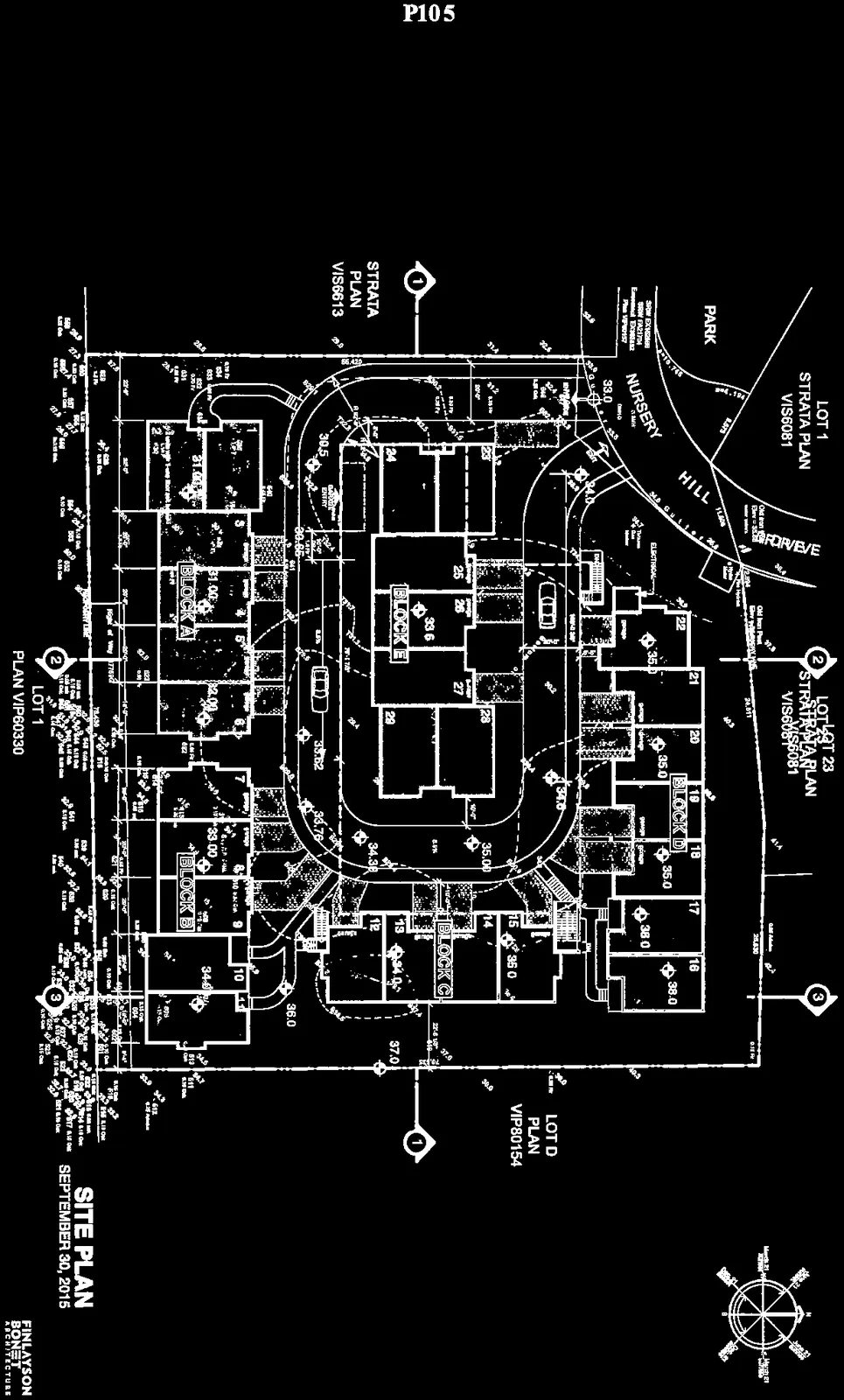
At the request of Silvia Bonet, Finlayson Bonet Architecture we reviewed, the current September 30, 2015 site plan and building scheme for this property and potential impacts that this scheme will have on the trees that are located on the adjacent E&N Railway corridor (Lot 1) property to the south and Nursery Hill Park to the east and north (Lot D). This addendum should be attached to our original October 31, 2011 report and is not considered a replacement for this report. We did not reexamine the trees that are located within the property boundaries for the purpose of this addendum nor did we revise the original report or tree resource spreadsheet.
E&N Railway corridor (Lot 1) - most of the trees that are located on this property are younger Garry oak trees that can be easily isolated from the construction activity by erecting protective barrier fencing that is maintained throughout the development phase of this project. The fencing can be erected approximately 2 metres off the edge of the building footprints, at the perimeter of the canopy spread or the critical root zone (CRZ) as defined in our 2011 tree resource spreadsheet. The fencing should be erected in whichever of these locations provides the greatest protection for the trees or in a location that is defined by the Project arborist.
Nursery Hill Park to the east and north (Lot D) - We identified 4 trees that are located within the park property, where they could potentially be impacted by the proposed development. In our opinion it should be possible to isolate these trees from the construction activity by erecting protective barrier fencing that is maintained throughout the development phase of this project.
- #325 - 83 cm d.b.h. Douglas-fir has a CRZ of 8.0 metres and is located close to the south east corner of the property. Barrier fencing should be erected at the perimeter of the CRZ or 2 metres from the nearest building footprint, if this footprint encroaches within this defined CRZ. We observed extensive internal decay within a cavity in the lower trunk where a co-dominant stem was removed or failed historically. Given the decay cavity that was observed this is probably not a suitable tree to retain in this location. A closer examination and risk assessment should be conducted if the tree is to be retained.
- #510 - 58 cm d.b.h. arbutus has a CRZ of 5 metres and is located within Nursery Hill Park and to the east of the subject property. This tree has an extensive cavity within the lower trunk, however, historical canopy reduction or failure has reduced the risk of future trunk failure. Barrier fencing should be erected at the edge of the defined CRZ or its canopy spread.
- #485 - 44 cm d.b.h. Grand Fir has a CRZ of 4.5 metres and is located within Nursery Hill Park and to the east of the subject property. Barrier fencing should be erected at the edge of, the defined CRZ.
- #486 - 65 cm d.b.h. arbutus has a CRZ of 6 metres and is located within Nursery Hill Park and to the north of the subject property. There is evidence of an internal cavity or decay, however, this tree leans away from and where it should not pose a risk to the subject property. Barrier fencing should be erected at the edge of, the defined CRZ.
On page three of our October 31, 2011 report (see attached) we listed trees that could potentially be retained within the development provided that their defined critical root zones CRZ's could be retained and protected. In view of the current proposed building scheme, we have revised the list of trees that were outlined to now only include #513, 601, 602, 603, 604, 605, 608, 617, 620, 628 and 648 (extensively decayed). A review of the detailed construction plans that include changes to the site grade should be conducted to determine the feasibility of retaining the above mentioned trees.
Please do not hesitate to call us at (250) 479-8733 should you have any further questions. Thank You.
Yours truly, Talbot Mackenzie & Associates
Tom Talbot & Graham Mackenzie ISA Certified, & Consulting Arborists
Disclosure Statement
Arborists are professionals who examine trees and use their training, knowledge and experience to recommend techniques and procedures that will improve their health and structure or to mitigate associated risks.
Trees are living organisms, whose health and structure change, and are influenced by age, continued growth, climate, weather conditions, and insect and disease pathogens. Indicators of structural weakness and disease are often hidden within the tree structure or beneath the ground. It is not possible for an Arborist to identify every flaw or condition that could result in failure nor can he/she guarantee that the tree will remain healthy and free of risk.
Remedial care and mitigation measures recommended are based on the visible and detectable indicators present at the time of the examination and cannot be guaranteed to alleviate all symptoms or to mitigate all risk posed.
Document Images
(8)