PROPOSED STREETS BYLAW NO. 980, 2019
A staff report presenting a modernized Streets Bylaw to regulate municipal roads, alternative transportation modes, and boulevard parking.
TOWN OF VIEW ROYAL PUBLIC WORKS & TRANSPORTATION REPORT
TO: Committee of the Whole DATE: Sept. 3, 2019 FROM: M. Gill, Dev. and Asset Technologist; S. Jones, Corporate Officer MEETING: Sept, 10, 2019
PROPOSED STREETS BYLAW NO. 980, 2019
RECOMMENDATION:
THAT the Committee provide direction on: a.) alternative modes of transportation; b.) some of the on-street parking provisions; and c.) existing, non-permitted boulevard encroachments;
AND THAT proposed Streets Bylaw No. 980, 2019 be forwarded to the Community Development Advisory Committee for information;
AND FURTHER THAT a public open house be held on Monday, October 7, 2019.
CHIEF ADMINISTRATIVE OFFICER’S COMMENTS: I concur with the recommendation.
DIRECTOR OF ENGINEERING’S COMMENTS: I concur with the recommendation.
DIRECTOR OF DEVELOPMENT SERVICES’ COMMENTS: I concur with the recommendation.
DIRECTOR OF PUBLIC SAFETY’S COMMENTS: I concur with the recommendation.
PURPOSE OF REPORT:
To put forward a revamped bylaw that regulates the Town’s streets and to seek direction on provisions around alternative modes of transportation; some on-street parking regulations; and enforcement of existing, non-permitted boulevard encroachments.
BACKGROUND:
In Autumn 2018 Council received the first draft of a new Streets Bylaw for information. At that time, Council asked that illustrations be added where it may be useful to enhance understanding and a document be prepared that compared elements of the current Streets and Traffic Bylaw No. 609 and the draft new Streets Bylaw No. 980.
Since that time, staff have removed portions from the new Streets Bylaw regarding driveway crossings (locations, widths, grades and materials) and instead incorporated these provisions into the Subdivision and Development Servicing Bylaw No. 985 with an amendment bylaw adopted in March 2019 (Bylaw No. 1014). This approach was determined to be more streamlined for both the public and the development community.
As well, additional vetting through legal counsel has occurred and other related bylaws reviewed for required amendments (for example, MTI Bylaw, Parks Bylaw) or drafted for consideration (Firearms and Bow Use Bylaw).
DISCUSSION:
Some elements of the proposed new Streets Bylaw (see Attachment “A”) reflect existing provisions found in Streets and Traffic Bylaw No. 609 (see Attachment “B”) – for example, stopping/parking prohibitions, residential parking only zones, and removal/impoundment of chattels.
At the same time, the new Streets Bylaw removes many of the traffic-related provisions from Bylaw No. 609 such as how to approach green, yellow and red lights; passing; signaling; and turning maneuvers. These traffic-related provisions are enforced by the police not the Town and are already contained within the Province’s Motor Vehicle Act. Attachment “C” is an annotated version of Bylaw No. 609 that shows the changes to this Bylaw in light of the new Streets Bylaw provisions.
Some of the notable features of the new Bylaw are described below (in alphabetical order):
Boulevard Maintenance
The new bylaw incorporates language around property owners keeping grass and weeds clipped to no more than 20cm on boulevards adjacent to their property.
Cycling – Dismount Not Required at Intersections of Regional Trails and Streets
The recent amendment to the current Streets and Traffic Bylaw with respect to cyclist dismount requirement at roadway/regional trail intersections has been incorporated in the proposed Streets Bylaw.
Exemptions Established
While Bylaw No. 609 set out exemptions for bus/truck deliveries to areas where roads may be not designated for truck purposes, Bylaw No. 980 now provides exemptions for municipal employees engaged in street-related work and emergency vehicles responding to calls. As well, Bylaw No. 980, includes an exemption for adherence to the requirements for stopping or parking of vehicles for government, utility and towing vehicles.
Permits Established
Bylaw No. 609 referenced numerous permits – awning, street excavation, busking, water on street, bench installation, street use, erecting of structures, procession, and residential parking. Bylaw No. 980 has rationalized the permit structure and established the following:
i. Boulevard Improvement or Modifications Permit: allows the adjacent property owner to improve the boulevard with landscaping; ii. Ditch In-Fill Permit: allows the adjacent property owner to a ditch, to fill in a ditch and landscape the boulevard; iii. Driveway Crossing Permit: provides for a property owner to install or modify their driveway crossing; iv. Street Occupancy Permit; allows a property owner to occupy the boulevard, sidewalk, parking space or roadway, for a specified period of time, to carry out construction staging, reserve space for an activity or place something temporarily on the boulevard, for a fee; v. Street Use Permit: allows opportunities for groups to apply to have an event on the Street such as a block party, parade, sporting event such as a marathon or Tour de Victoria; vi. Street Construction Permit: allows for construction in the street such as developers or contractors; and vii. Oversize Vehicle Permit: allows for moving a house or other large thing where traffic is likely moving slowly and traffic control would be moving with the vehicle.
Removal of Snow, Ice and Rubbish from Sidewalk
The requirement for snow removal remains in the new bylaw however, similar to Saanich and Victoria, View Royal residents will be required to remove snow from the sidewalk by 10:00 am fronting their property. As well, the new bylaw prohibits the use of corrosive materials to melt ice as it can damage the concrete.
Residential Parking Only Zones
Bylaw No. 980 retains the “residential parking only” provision but removes the “residential parking permit zone” provision.
Currently, the only “residential parking permit zone” exists on Erskine Lane. There the permit zone was implemented to preclude staff from Victoria General Hospital from parking in the approximately seventeen spaces available on Erskine.
Under the permit process, permanent permits (two/residence) are issued at no charge (replacement permits are $10/permit) and annual stickers mailed out each year to affix to the permanent permit. There are seventy households that participate for a total of approximately 140 permits.
With upcoming development on Erskine Lane, there are over 350 additional residences anticipated which could generate over 700 more parking permit requests. This program – whereby approximately 840 permits are available for only seventeen (17) parking spaces – is unsound. Instead, “residential parking only” signage would be sufficient to address VGH employee parking – as is used elsewhere in the municipality for similar parking concerns. While there is limited space available for parking, that parking would be available to any resident who lives on the street where “residential parking only” is signed.
Traffic Orders
The operational aspect of the Streets Bylaw moves the authority from the Chief Administrative Officer to the Director of Engineering (who does both traffic orders and permit approvals). As with Bylaw No. 609, Council retains the authority to revise or revoke any order made or permit issued.
There are some areas where direction is sought from the Committee of the Whole. These areas address provisions for alternative modes of transportation; some on-street parking regulations; and enforcement of existing, non-permitted boulevard encroachments.
Alternative Modes
With respect to alternative modes of transportation, the existing Streets and Traffic Bylaw (Use of Municipal Streets, Section 66) states:
“For the purpose of ensuring the safety of the Town, and subject to the proviso hereinafter contained, no person shall propel, drive, ride or run any roller skate, skidmobile, pushmobile, scooter, coaster, velocipede or other coasting device or thing of a similar nature upon any portions of the streets of the Town which lie between the curbs or sidewalks, or which is commonly used for vehicular traffic...”
Regarding cyclists, Bylaw No. 609 (Cyclist Provision, Section 130), states: “(6) A person must not operate a cycle (a) on a highway without due care and attention or without reasonable consideration for other persons using the highway, or (b) on a sidewalk without due care and attention or without reasonable consideration for other persons using the sidewalk.”
With respect to skateboarding, Bylaw No. 609, Section 132 states: “132 (1) A person must not ride a skateboard or other human powered device on a sidewalk. (2) A person must not ride a skateboard or other human powered device on a street, sidewalk or path in a public place where signs are displayed indicating that such activities are prohibited.”
To summarize, Bylaw No. 609, while not particularly clear, appears to permit:
- roller skates, scooter, etc. on sidewalks but not on cycle lanes or roadways;
- skateboards on cycle lanes and roadways but not on sidewalks; and
- cycles on sidewalks, cycle lanes, and roadways.
As written, Bylaw No. 980 states that skateboards, roller skates and in-line skates (roller blades) are not cycles and are therefore not permitted on cycle lanes. Cycle lanes are only to be used as follows: “5.1 A person shall not use a Cycle Lane unless that person is riding a Cycle.”
However, a provision in Bylaw No. 980 that discusses “driving on sidewalk” (Section 6.4) notes that roller skates and in-line skates are permitted on sidewalks while skateboards and cycles are not: “6.4 A person must not ride, drive, or propel any vehicle, Cycle, animal, or skateboard upon any Sidewalk unless otherwise permitted by a Traffic Control Device or this Bylaw.”
To summarize, Bylaw 980 proposes to permit:
- roller skates, in-line skates on sidewalks and roadways but not cycle lanes;
- skateboards on roadways but not sidewalks or cycle lanes; and
- cycles on cycle lanes and roadways but not sidewalks.
Direction from the Committee is sought regarding roller skates, in-line skates, and skateboards to ensure that Bylaw No. 980 captures the Committee’s intent with respect to these alternative modes of transportation.
As an aside, there are several types of other alternative modes of transportation on the market and it was felt important to review these for the Committee at this time though no direction is sought:
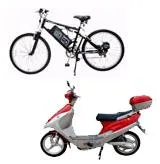
Electric Bikes or Motor-assisted Cycles (MAC) Electric bikes or motor-assisted cycles (MAC), are two or three-wheeled cycles with pedals and an electric motor. As these are considered cycles, they are permitted on cycle lanes. A rider must be sixteen or older to ride a MAC and wear a bicycle helmet. Gas powered and electric cycles without attached pedals do not qualify as a MAC.
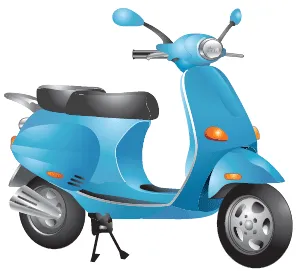
Mopeds and Street-legal Scooters Mopeds and street-legal scooters are limited-speed motorcycles (LSM). To operate a LSM one must have a full-privilege Class 5 or 7 passenger vehicle licence and wear a helmet. LSMs and are subject to the same rights and duties as the driver of a motor vehicle and are not permitted on cycle lanes.
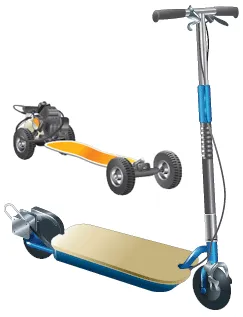
Motorized Scooters and Motorized Skateboards Motorized scooters and motorized skateboards cannot be operated on roads or sidewalks as they are defined as motor vehicles. While they are defined as such, these devices do not meet provincial equipment safety standards for on-road use. Therefore, these may only be operated on private property that does not have public vehicle access and on trails or pathways if permitted by the municipality. The proposed bylaw does not contemplate the operation of these devices anywhere in the municipality at this time.
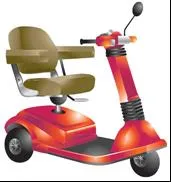
Motorized and Non-motorized Wheelchairs Both motorized and non-motorized wheelchairs do not require a driver’s license to operate and can be used on sidewalks or roads, following the same rules as pedestrians.
Pocket Bikes Pocket bikes (mini motorcycles) do not meet federal safety standards and therefore are not for use on public roads.
Boulevard Parking
Parking in the municipality has been an issue for some time and much of the discontent is centred around the general assumption by homeowners that they own the boulevard in front of their property. This assumption also includes the belief that the street parking in front of their home is reserved for them. However, the assumption of ownership is incorrect as the boulevard is part of the common road right-of-way; and therefore, the related belief of reserved personal parking is also incorrect.
Bylaw No. 609 included a blanket boulevard parking prohibition “37 (1)…no person shall stop, stand or park any vehicle: (a) on a sidewalk or boulevard;” However, in 2014, the volume of complaints was so great in some neighbourhoods that Council decided in late winter to only enforce the boulevard parking prohibition for unlicensed vehicles or those parked unsafety and passed the following resolution:
THAT staff not enforce parking on boulevards unless vehicles are not licensed or safety issues are involved until such time as a staff report is considered by Council regarding options and amendments to the Town’s Streets and Traffic Bylaw. (C-28-14)
Bylaw No. 980 instead establishes general regulations for parking and additional parallel parking regulations that set out minimum distances to the edge of the roadway, minimum shoulder widths, and minimum distances between a roadway and ditch (where present):
General Regulations for Parking – “…a driver or Owner of a vehicle must not park a vehicle:…
8.1.6. where the width of the shoulder available for Parking is less than two and one half (2.5) metres;
8.1.19. on the paved portion of any Street without Curbs where the width of the pavement is six (6) metres or less;”
Additional Parallel Parking Regulation – “A driver or Owner of a vehicle must not park on a portion of a Street unless the vehicle is parked:…
8.3.4. where there is no Curb, so that the left-hand wheels of the vehicle are no more than thirty (30.0) centimetres onto the Roadway, provided that six metres (6.0 m) of Roadway remain unobstructed;”
These provisions are intended to reflect the variety of street typologies in the Town and to also ensure the safety of pedestrians and vehicles around parked vehicles. As discussed in Autumn 2018, these provisions will continue to limit the extent of boulevard (or “on-street”) parking available. As such, Committee of the Whole input is important to ensure these provisions are to remain as is in the proposed bylaw or if changes should be made prior to readings consideration.
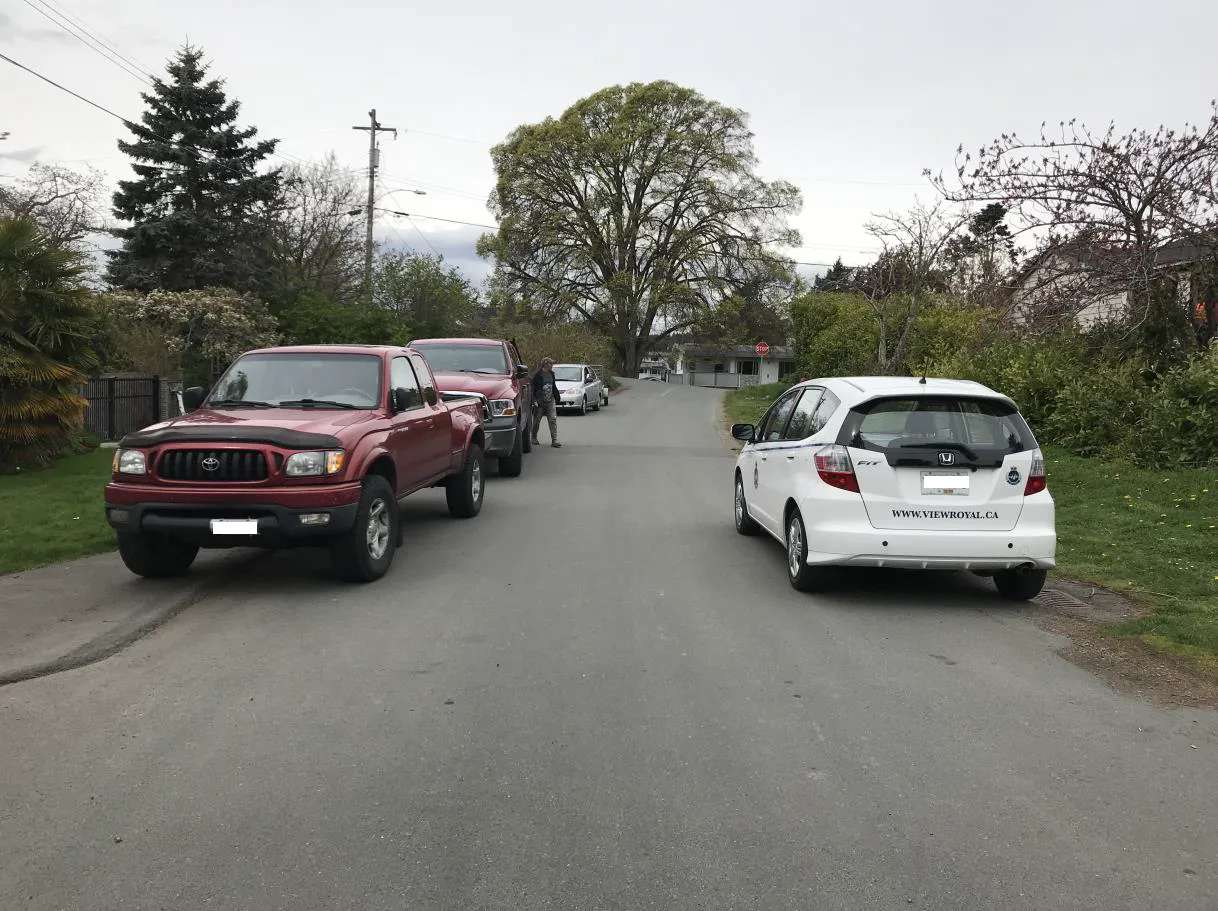
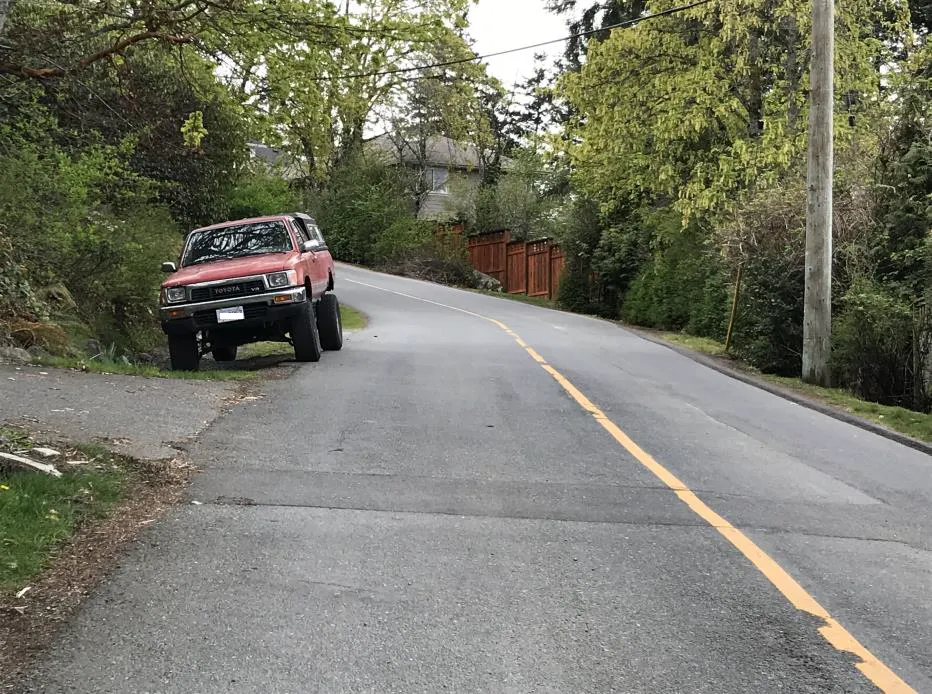
The photographs below depict samples of parking found in the Town and may assist the Committee in deliberating the various distances currently listed in the proposed bylaw:
Photo 1: This photo depicts a 3.0m clearance between the vehicles. This situation will seriously affect the ability of emergency vehicles from attending beyond this point and would be in contravention of the proposed bylaw that sets out a 6.0m minimum clearance requirement.
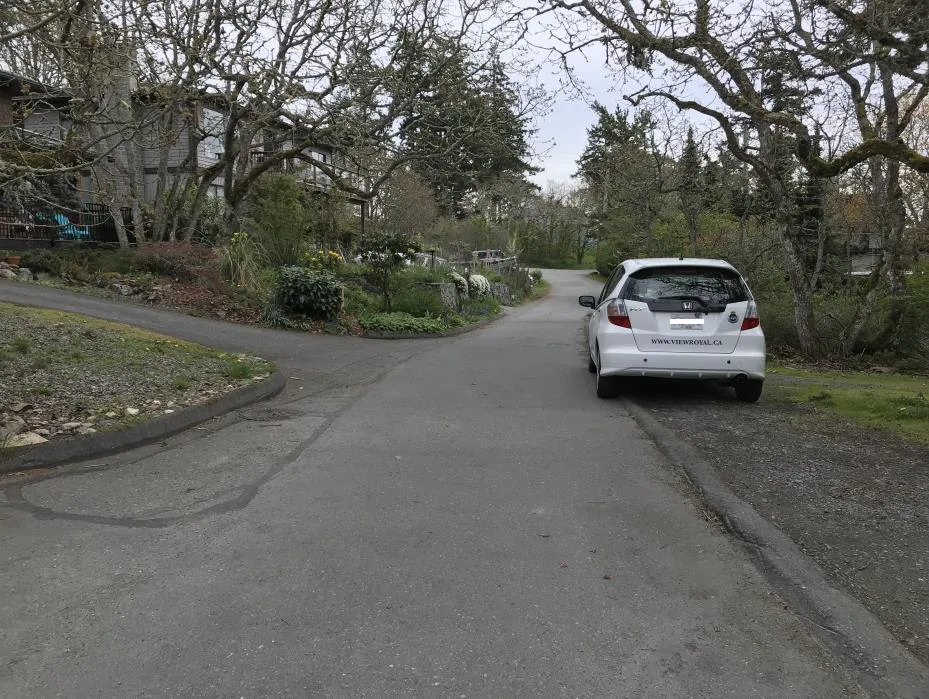
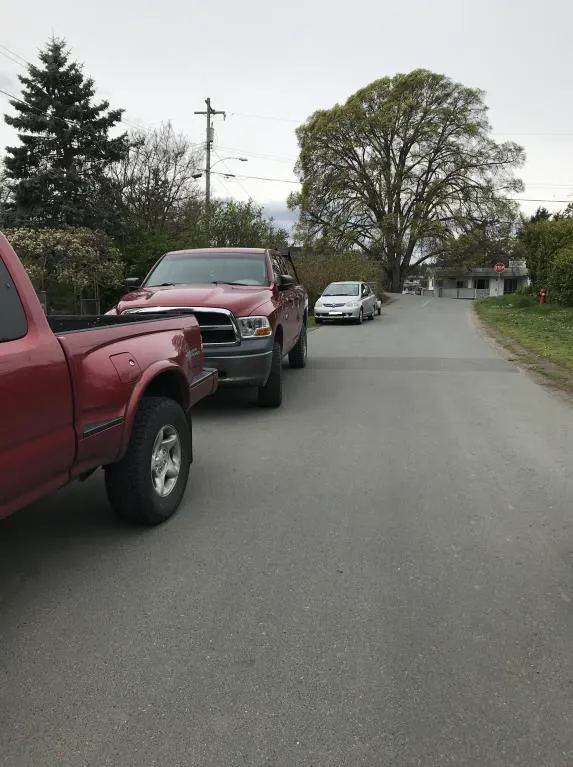
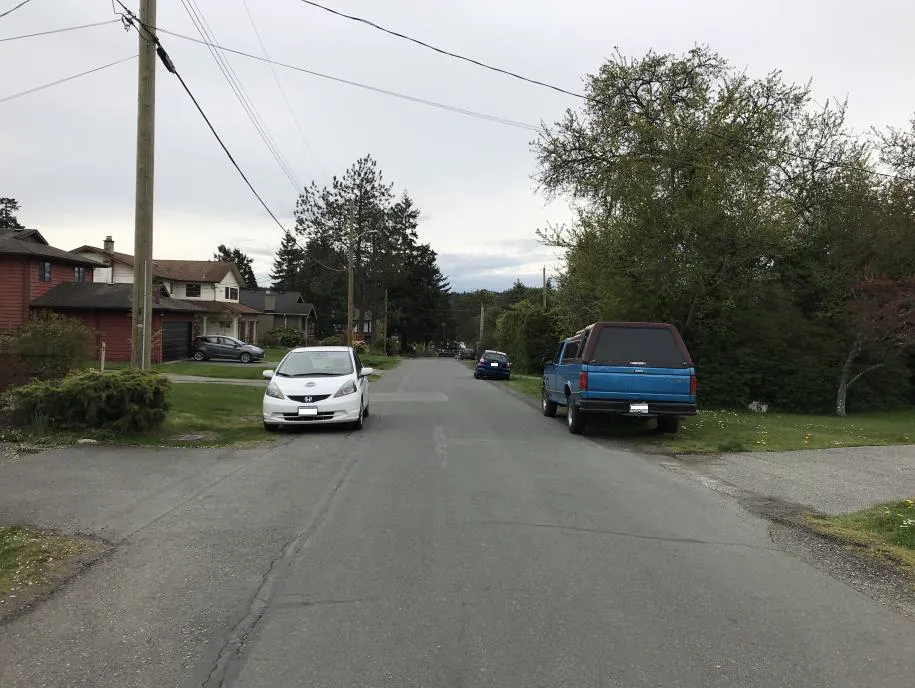
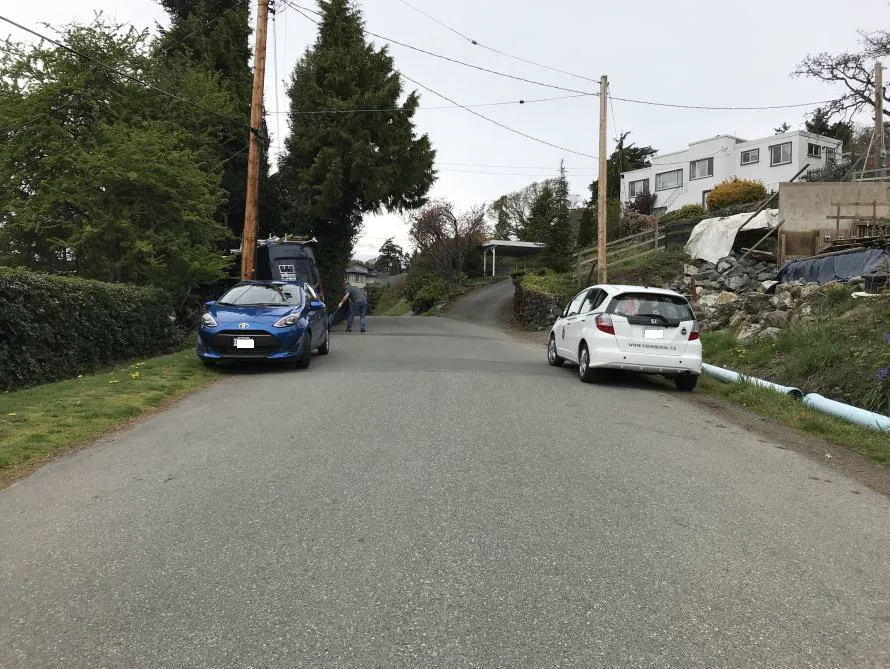
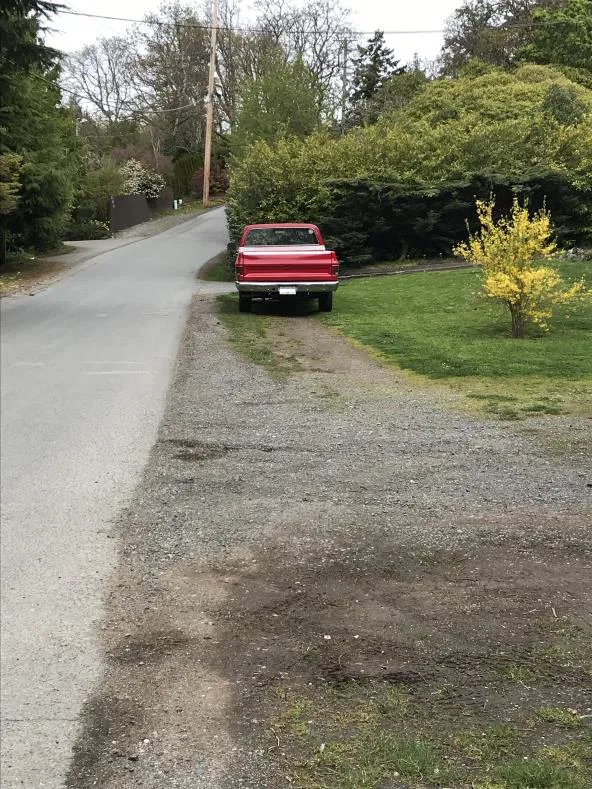
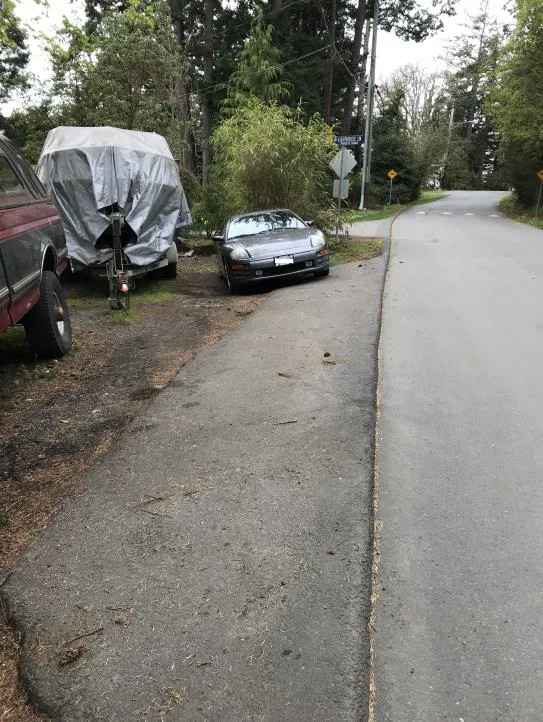
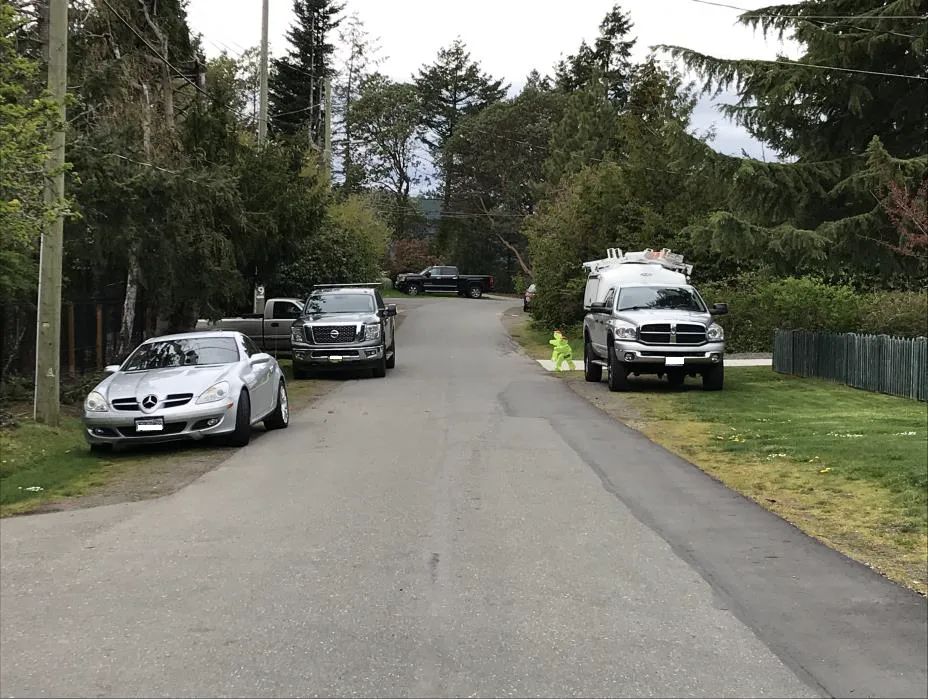
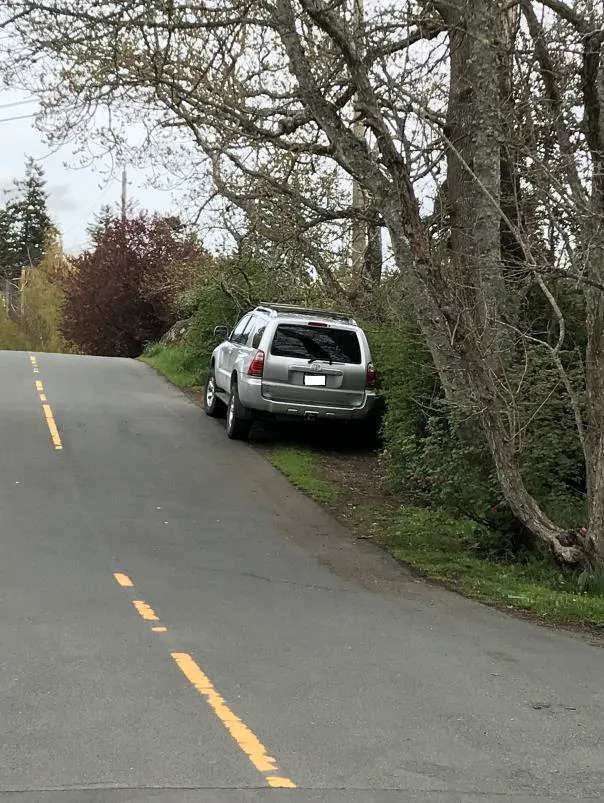
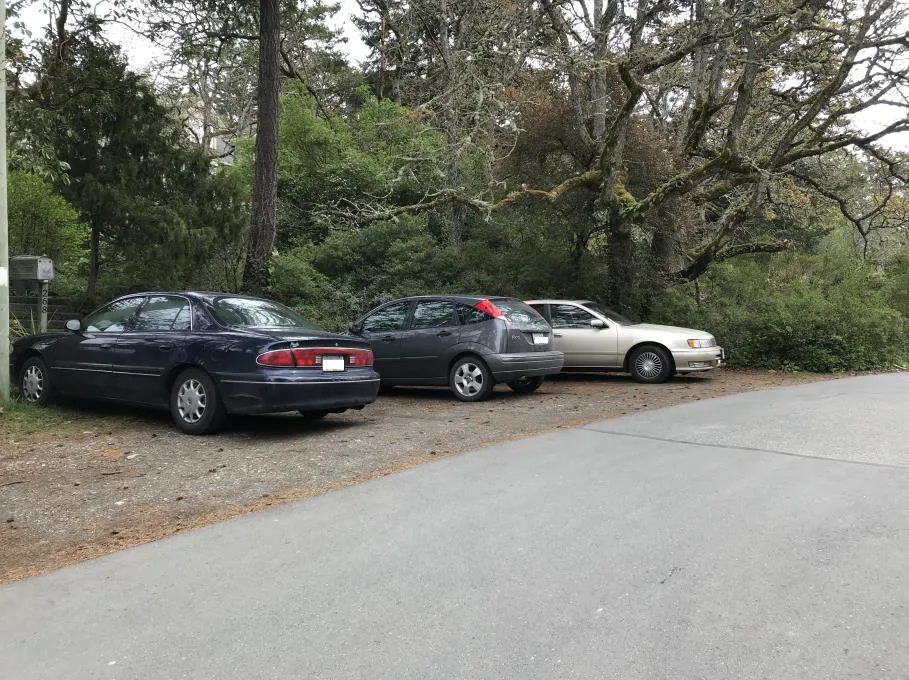
Photo 11: This photo depicts parking in contravention of the proposed bylaw as angle parking is restricted to 45 degrees as opposed to 90 degrees. As well, these vehicles are all in close proximity to trees and could damage tree roots.
Existing, Non-Permitted Boulevard Encroachments
Across the municipality there are existing, non-permitted boulevard encroachments that may be safety hazards (tripping, car damage) and that generate complaints. The primary example is the use of large rocks or boulders placed on a boulevard to prevent boulevard parking in front of a residence.
With a formal Boulevard Improvement Permit available through the proposed bylaw, staff is seeking Committee feedback on the approach they wish to be taken with these existing, non-permitted boulevard encroachments. For example, should an education campaign to encourage permit applications be undertaken with enforcement to follow if a permit is not obtained within a set period of time (such as one year from date of first contact). It should be noted that the use of large rocks or boulders placed on a boulevard would not be approved through the Boulevard Improvement Permit process. Alternatively, the Committee could direct that enforcement for this infraction continue as per the Town’s Bylaw Enforcement Policy – that is, only be undertaken on a complaint basis.
NEXT STEPS:
With the proposed bylaw, there are several other bylaws that now must be amended. Specifically, the Municipal Ticket Information Bylaw No. 643, 2007 will be altered to reflect changes for new or revised ticketable offences; the Fees and Charges Bylaw will need to be amended to establish permit fees for some new items and to update references to already listed fee items; and to the Parks and Public Spaces Bylaw No. 986, 2018 to update the reference to the detention and impoundment of chattels.
As well, a new required bylaw is a Firearms and Bow Use Bylaw as the section in the existing Streets and Traffic Bylaw No. 609 is being repealed but should be captured in a Town bylaw. Staff are already in discussions with the Westshore RCMP about this new bylaw.
CONCLUSION:
In conclusion, the proposed Streets Bylaw No. 980, 2019 provides a modernization and simplification to the existing Streets and Traffic Bylaw No. 609. The proposed Bylaw includes provisions that facilitate property owners’ requests for items like driveway crossings and boulevard improvements while at the same time balancing the need for public safety.
It should be noted that some of the provisions in Bylaw No. 980 may be directional in nature and difficult to ticket under (for example, the suggestion to plant drought-tolerant vegetation in a boulevard improvement project). However, it is anticipated that a common-sense approach – the approach already followed by the Town’s Bylaw Enforcement Officer – will be applied in enforcement matters and some of the provisions will be instructional and guiding to members of the public.
Based on direction provided at the September Committee of the Whole meeting, the proposed bylaw can be modified and sent to the Community Advisory Committee. As well, it is proposed that a public open house be scheduled for Monday, October 7th to seek public input on the draft bylaw.
RECOMMENDATION:
THAT the Committee provide direction on: a.) alternative modes of transportation; b.) some of the on-street parking provisions; and c.) existing, non-permitted boulevard encroachments;
AND THAT proposed Streets Bylaw No. 980, 2019 be forwarded to the Community Development Advisory Committee for information;
AND FURTHER THAT a public open house be held on Monday, October 7, 2019.
Document Images
(7)
Related Documents
(4)Streets Bylaw No. 980, 2019
Bylaw No. 980 · Referenced in 3 sections
Subdivision and Development Servicing Bylaw No. 985, 2017
Bylaw No. 985 · Referenced in 1 section
Municipal Ticket Information Bylaw, No. 643, 2007
Bylaw No. 643 · Referenced in 1 section
Parks and Public Places Bylaw No. 986, 2018
Bylaw No. 986 · Referenced in 1 section